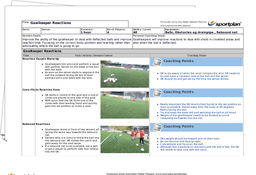
Being a top goalkeeper isn’t just about being technically sound. They have to be able to react with sharp movements and make reflex saves which needs to be an instinctive movement. How do you engrain this into players to become instinctive movement? Practice, practice, practice!
What's in the Session?
The session starts with focusing on sharp movements and quick feet to get into a good position to make saves. The difficulty levels can be varied depending on the ability levels of the goalkeepers you are working with.
Then we get inventive and get some equipment involved! We use a rebound net to work on goalkeepers quick hands. The session finishes off by replicating a crowded penalty area and encouraging goalkeepers to anticipate a deflection and therefore not commit to a save too early.

The 2026 World Cup is nearly upon us. Here is Sportplan's preview for the tournament on who we think is going to do well and which teams to look out for.
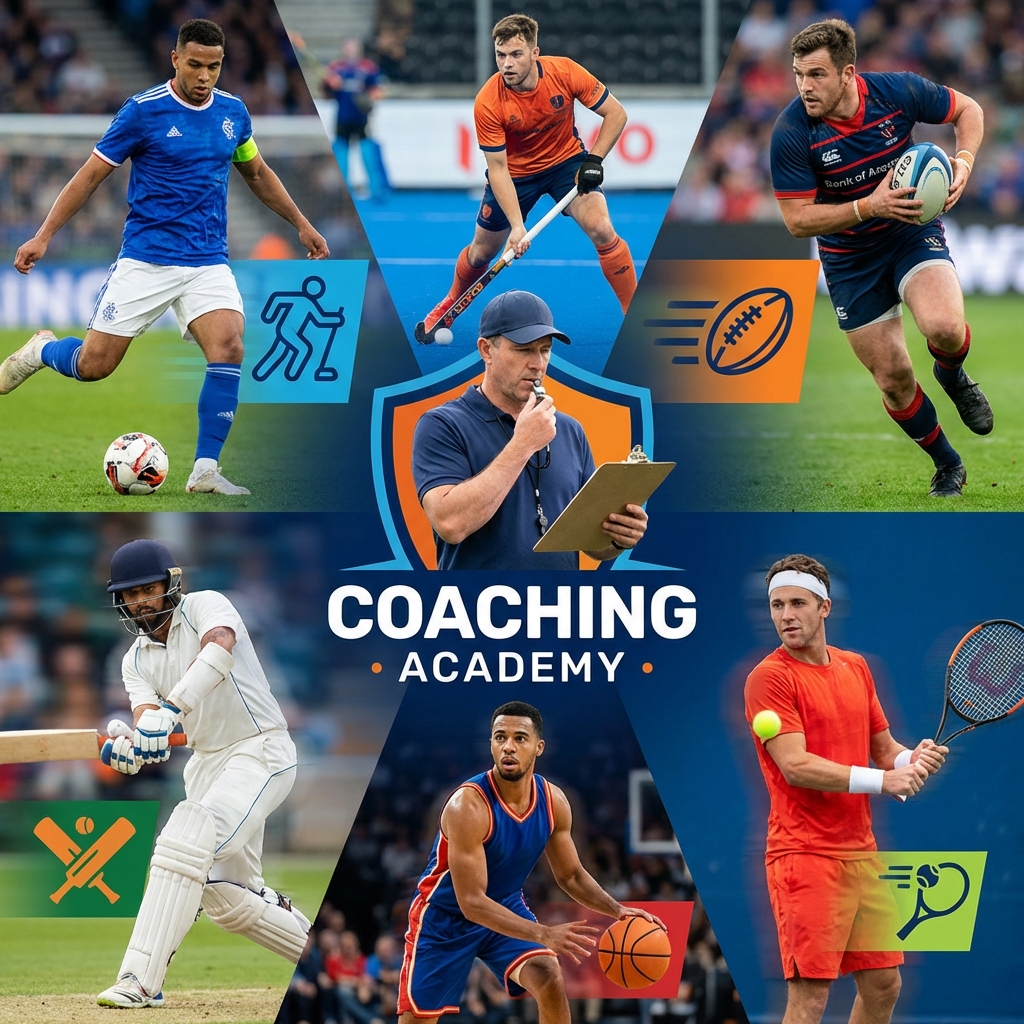
Discover our new Coaching Trends section - in-depth articles covering the latest tactics, techniques and innovations across Football, Hockey, Cricket, Rugby, Netball, Basketball, Tennis, Handball and Volleyball.
Save yourself a scare this Halloween and ensure your session runs smoothly. No chaos, no fright, just structure.


Register for FREE and get coaching tips, top drills, session and more every week!