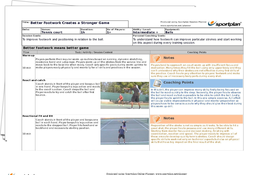
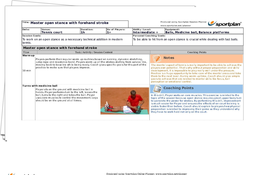
The basis of any successful tennis stroke stems from the footwork to create a solid platform upon which to build the rest of the stroke on.
This week, we look at developing your players footwork to put them in the best position to hit effective strokes. Test their ability to react on the court and then to move into position to play the required shot without being off balance and without poor technique.
What's in the Session?
Start off with a dynamic warm-up, going through the whole range of shots, focussing on the technique, rather than just going through the motions. The session then moves on to a reaction drill without the racquet, forcing the player to focus on just their footwork. Next, incorporate the racquet with emphasis on the player making quick adjustments to react to the scenario and effectively play the ideal stroke.
Next, it moves on to focussing more on the technique of the shot once the footwork aspect has been perfected. The practice develops the players ability to find the right length with their shots when they?re moving backwards in the court. This helps the player to recognise the tactical benefits of finding the right lengths too, preventing them from getting stuck back behind the baseline. Finally, finish with a similar practice, instead emphasising the footwork patterns when moving in towards the net for a volley.
Footwork is a vital aspect of the stroke, often overlooked as not part of the stroke. However, fast, light footwork sets the precedence for the rest of the technique, therefore spend time on the lower body and see the rest of the process follow sequentially.
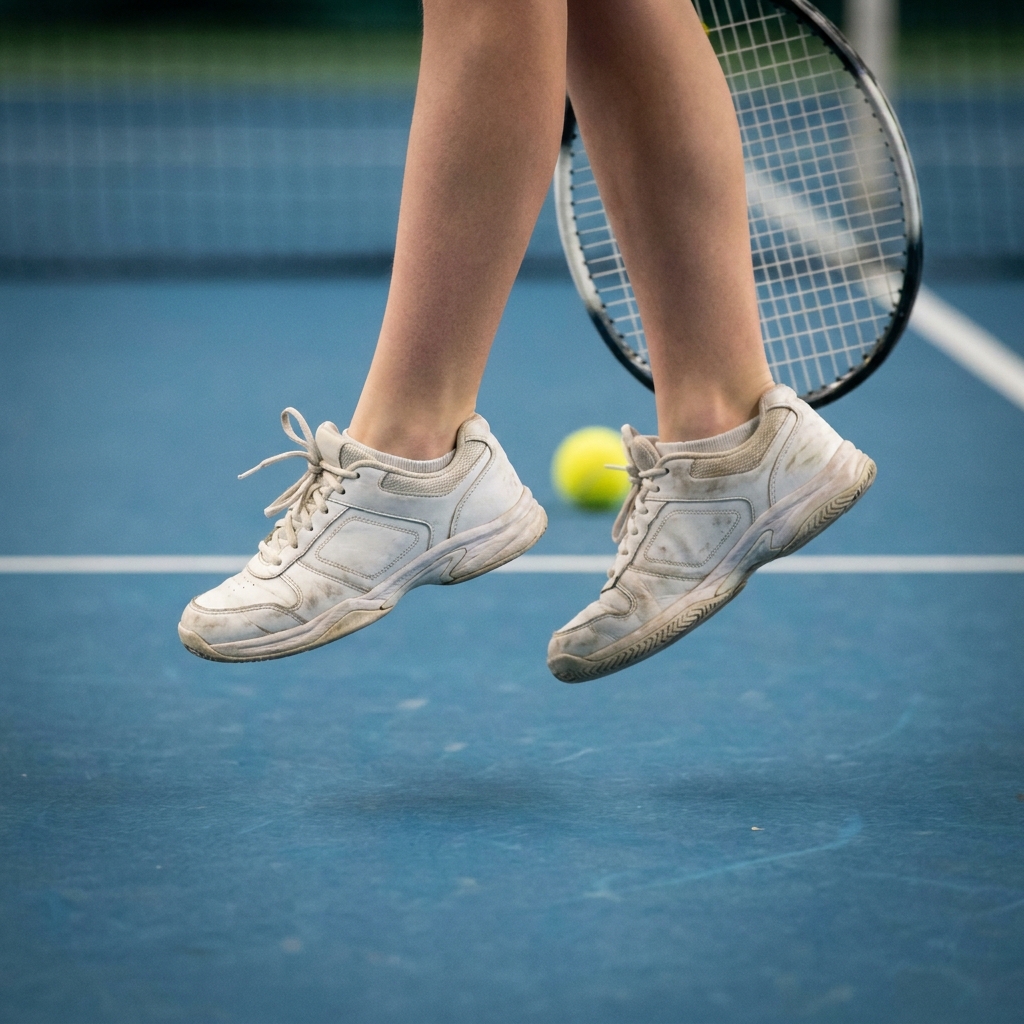
Indoor courts give players less time and less room. Help them sharpen their split step, shorten their swing and stay calm, and winter becomes a season of real progress.
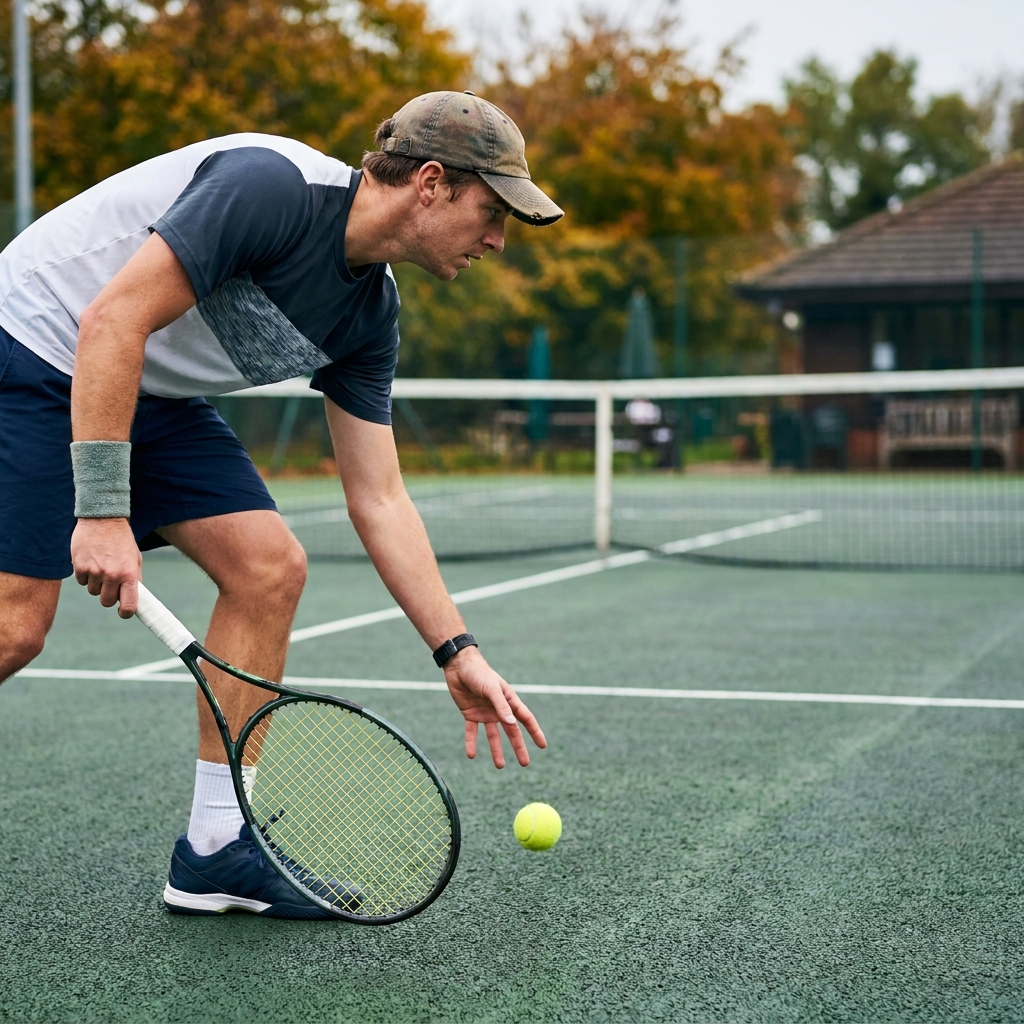
A tiebreak is a short sprint where every point is worth the same as a break of serve. The players who win them are rarely the ones who hit hardest. Here is how to coach the patterns, habits and scoreboard thinking that win the big points.
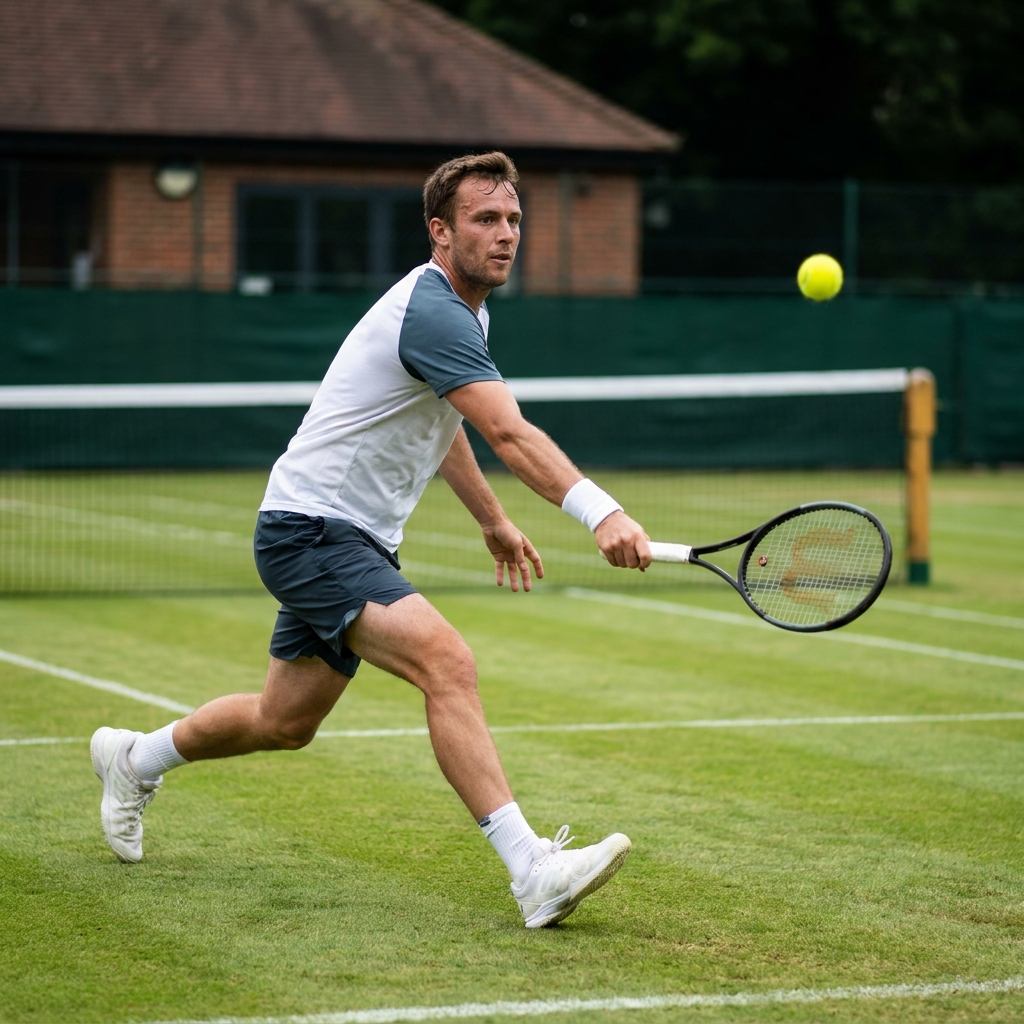
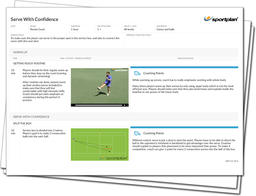
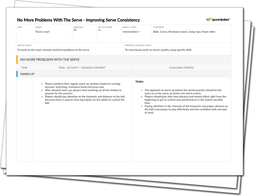
Most club players practise the serve on its own and then have no idea what to do with the ball that comes back. Serve plus one is the pattern that turns a good serve into a won point.


Register for FREE and get coaching tips, top drills, session and more every week!