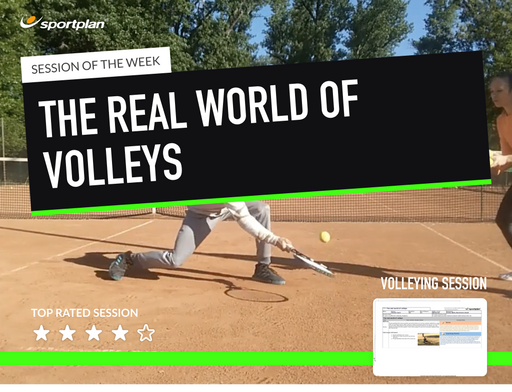
High quality volleying requires a perfect touch and feel at the net as well as excellent movement and anticipation.
Get players comfortable playing all different volleys from different depths to varying areas of the court to start dictating the points.
With that in mind, this week?s session aims to improve players recognition of when to approach for the volley and how to play it effectively.
What's in the Session?
Begin by doing a full warm up with tennis specific lunges and holds to prepare the body for quick changes in direction, speed and reach. The session begins with the player holding the middle of the court and fed balls to volley crosscourt. It then progresses into playing the volleys down the line to return to the middle of the court and repeat.
The next part of the session develops the players movement towards the net to play a stop volley. This tests the players touch and put their body positioning under pressure, a poor position will affect the success of the stop volley. The final part opens up the court more and creates a game-specific situation, testing the players movement and their touch with backhand volleys.
The final part encourages a full cool down and a reflection session with coach and player..
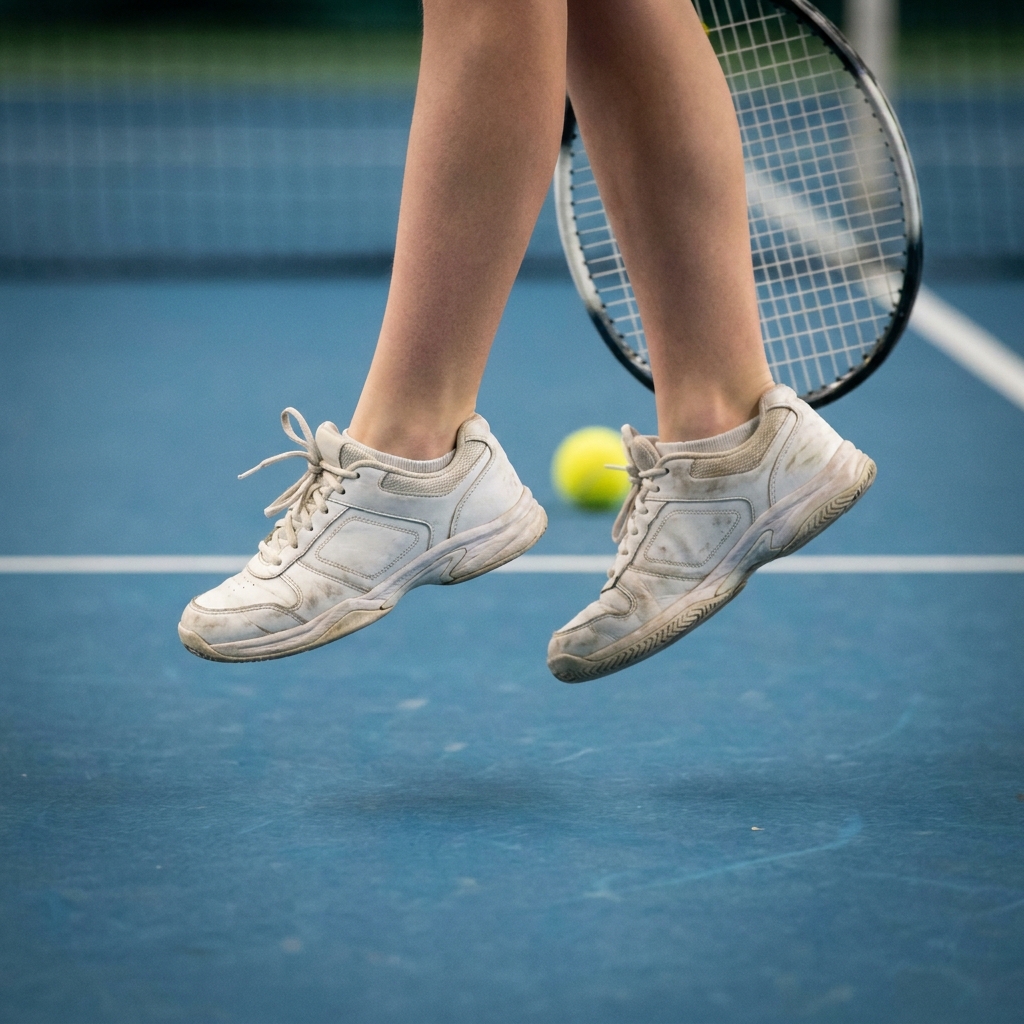
Indoor courts give players less time and less room. Help them sharpen their split step, shorten their swing and stay calm, and winter becomes a season of real progress.

A tiebreak is a short sprint where every point is worth the same as a break of serve. The players who win them are rarely the ones who hit hardest. Here is how to coach the patterns, habits and scoreboard thinking that win the big points.
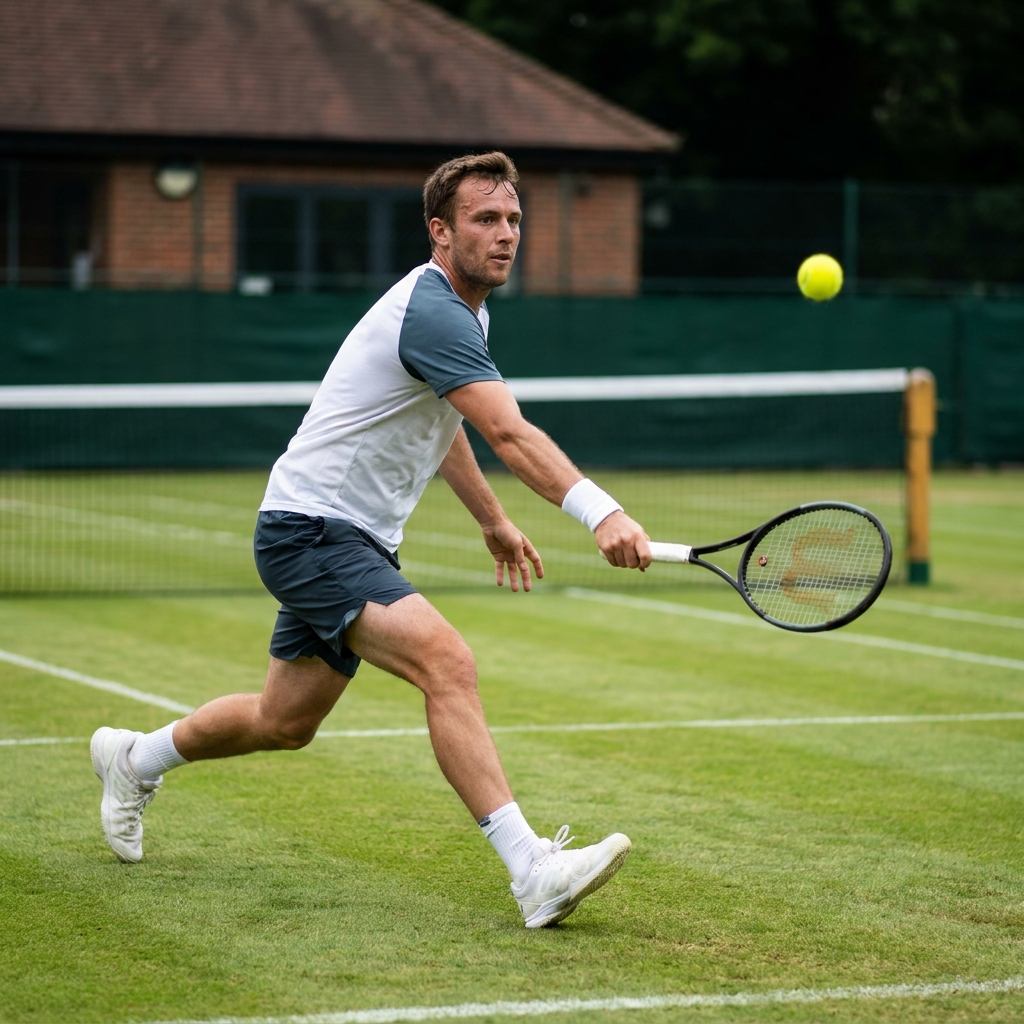
Most club players practise the serve on its own and then have no idea what to do with the ball that comes back. Serve plus one is the pattern that turns a good serve into a won point.


Register for FREE and get coaching tips, top drills, session and more every week!