As was shown in the Barcelona v Chelsea game, there is a lot to be said for positive, and sometimes opportunistic, approach play in football.
When the ball is turned over and possession is lost it's important you put pressure on the attacking team collectively, from congesting the midfield to cutting off the channels and preventing the fast break. The key here is to force the error quickly, regain possession and look for depth once again (this is what lead to Drogba's extra time goal).
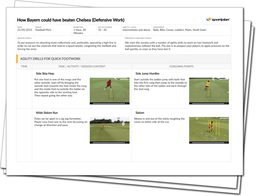
To get your side defending with a Chelsea-like-doggedness we start this session with a number of agility drills to work on fast footwork and explosiveness without the ball, preparing your players to apply pressure on the ball quickly, as soon as they have lost it. Following this we then focus on the following defensive techniques:

The 2026 World Cup is nearly upon us. Here is Sportplan's preview for the tournament on who we think is going to do well and which teams to look out for.

Discover our new Coaching Trends section - in-depth articles covering the latest tactics, techniques and innovations across Football, Hockey, Cricket, Rugby, Netball, Basketball, Tennis, Handball and Volleyball.

Save yourself a scare this Halloween and ensure your session runs smoothly. No chaos, no fright, just structure.


Register for FREE and get coaching tips, top drills, session and more every week!