Having the ability to receive the ball under pressure and turning with it in tight areas means there are going to be huge space elsewhere on the field to exploit. Produce midfielders who are happy to take the ball and the responsibility to capitalise on moving the ball and the opposition.
What’s in the Session?
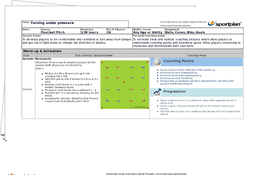
Prepare the group for the session with a dynamic warm up with a ball to get them switched on both mentally and physically. The bulk of the session focuses on the technical skills, firstly starting with understanding the movements and the aims/benefits of being able to receive and turn in tight areas. The session then progresses into turning on the ball whilst opposed to offer a more game realistic scenario to practice the technique in. Complete the session with a conditioned game of 8 v 8 with four goals, emphasising the value of being able to turn and spread the play. The team that does this the best will recognise the value and score the most goals.
Any of the great teams have had a midfielder as their linchpin, ready to take the ball from the defenders in tight areas, turn and distribute to set up attacks.

The 2026 World Cup is nearly upon us. Here is Sportplan's preview for the tournament on who we think is going to do well and which teams to look out for.

Discover our new Coaching Trends section - in-depth articles covering the latest tactics, techniques and innovations across Football, Hockey, Cricket, Rugby, Netball, Basketball, Tennis, Handball and Volleyball.

Save yourself a scare this Halloween and ensure your session runs smoothly. No chaos, no fright, just structure.


Register for FREE and get coaching tips, top drills, session and more every week!