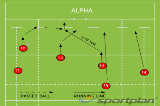
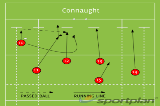
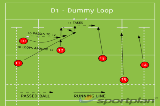
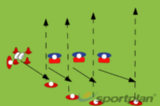
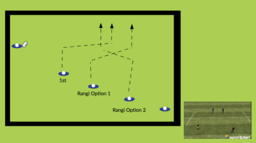
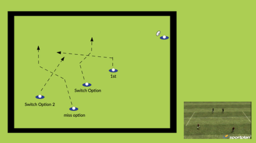
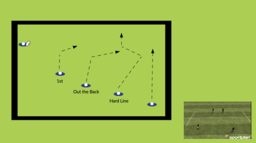
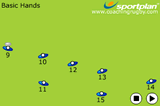
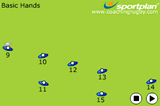
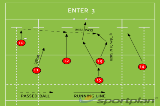
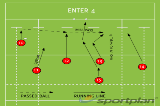
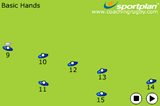
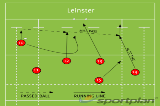
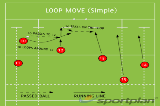
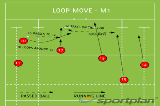
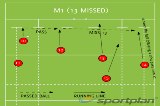
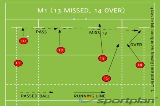
There are seven backs in a team, with the rugby position numbers 9-15. As the name suggests they are positioned behind the forwards, and include the Scrum-half, Fly-half, two wings, inside and outside centres, and the full back.
The 100+ backs moves drills below require a level of speed, agility and evasiveness. Another requirement of a good back is someone who is able to give feedback to the playmaker or director of the backline and create effective attacks and moves.
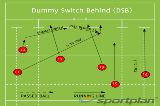
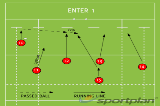
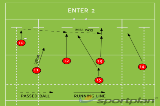
Use the backline plays below to boost your players' ability to draw defenders out of position, attack space at pace, and communicate on the field to create weaknesses in opposition's defence. The backs moves include how to make dummy runs, join the line, and highlight how a backline should operate.

in more ways than one
 sportplan_rugby

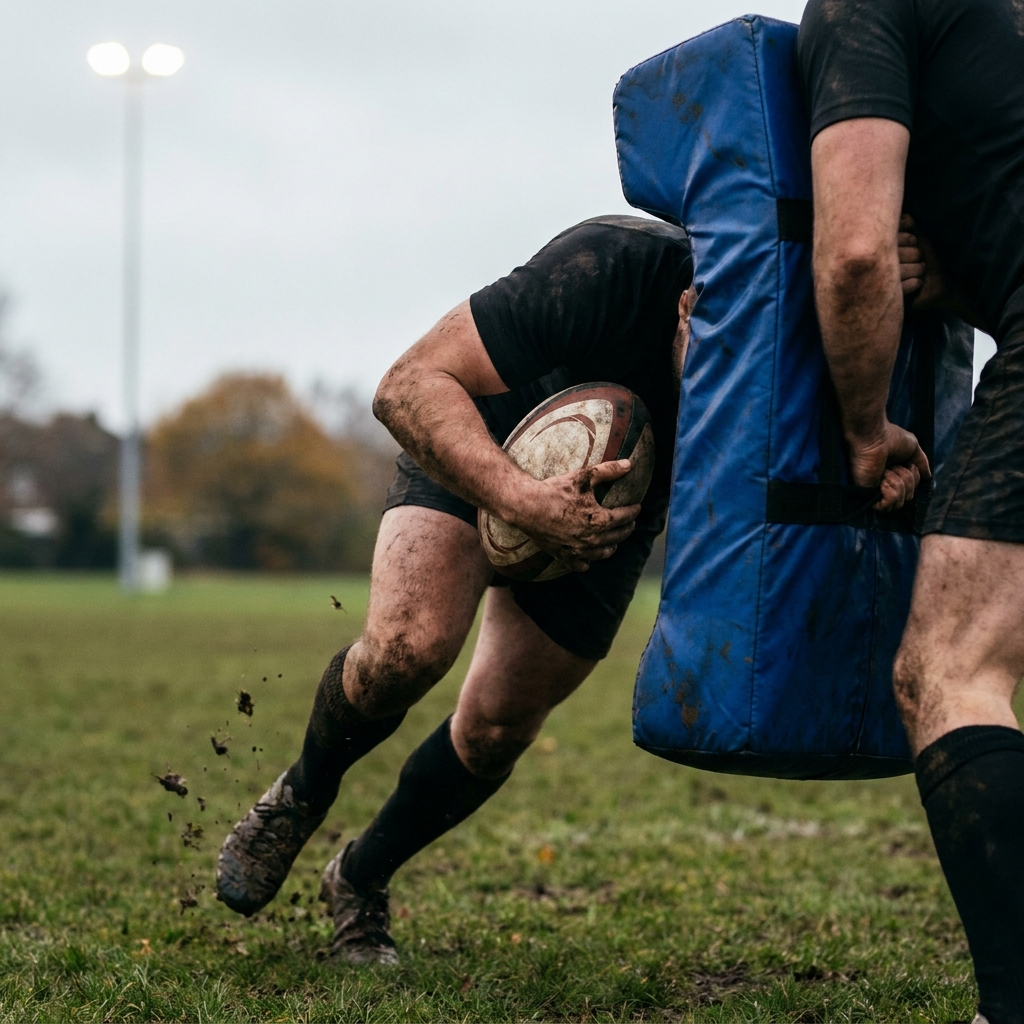
Tacklers are aiming lower, so carriers who dip late put heads at risk. Teach footwork, a strong early body height and leg drive to win the collision safely.
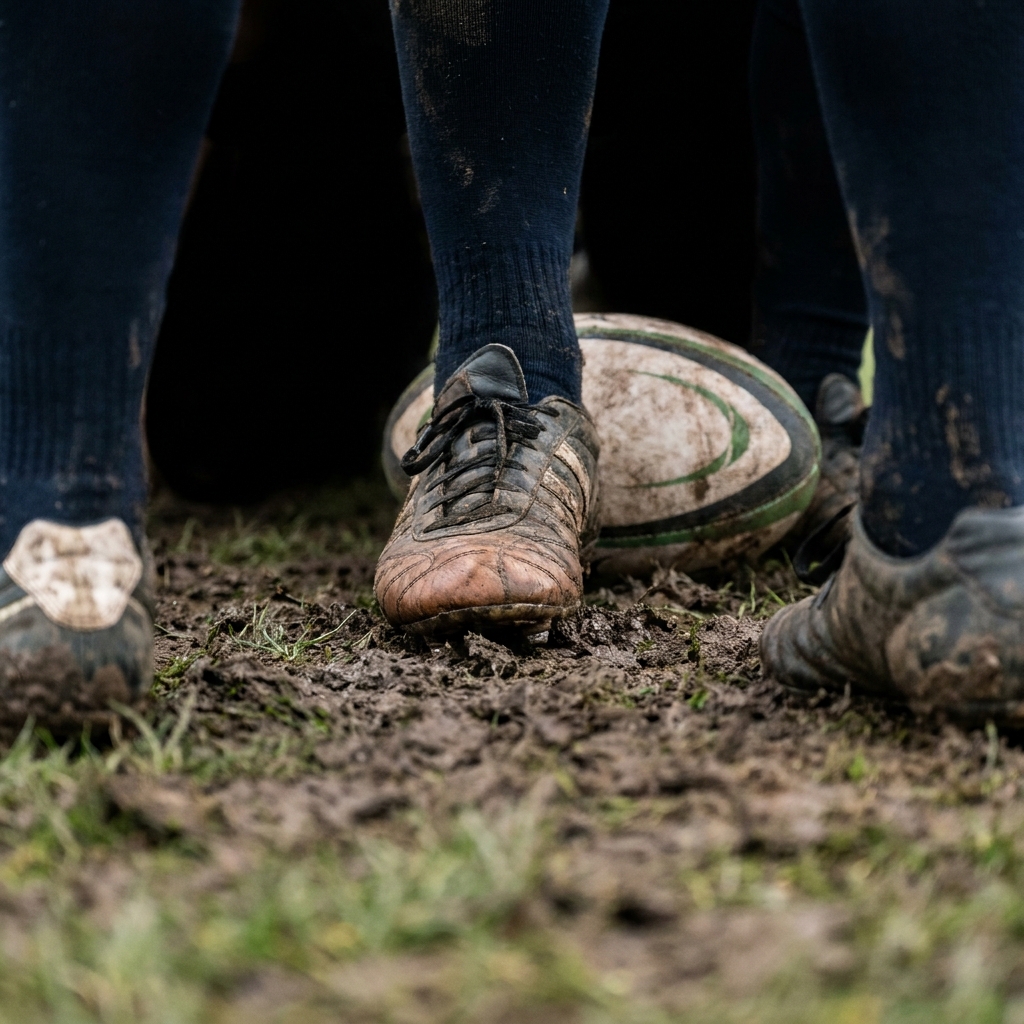
The hooker's brake foot moved from trial into full law in July 2026. Here is how to coach it so your front row stays stable, legal and safe.
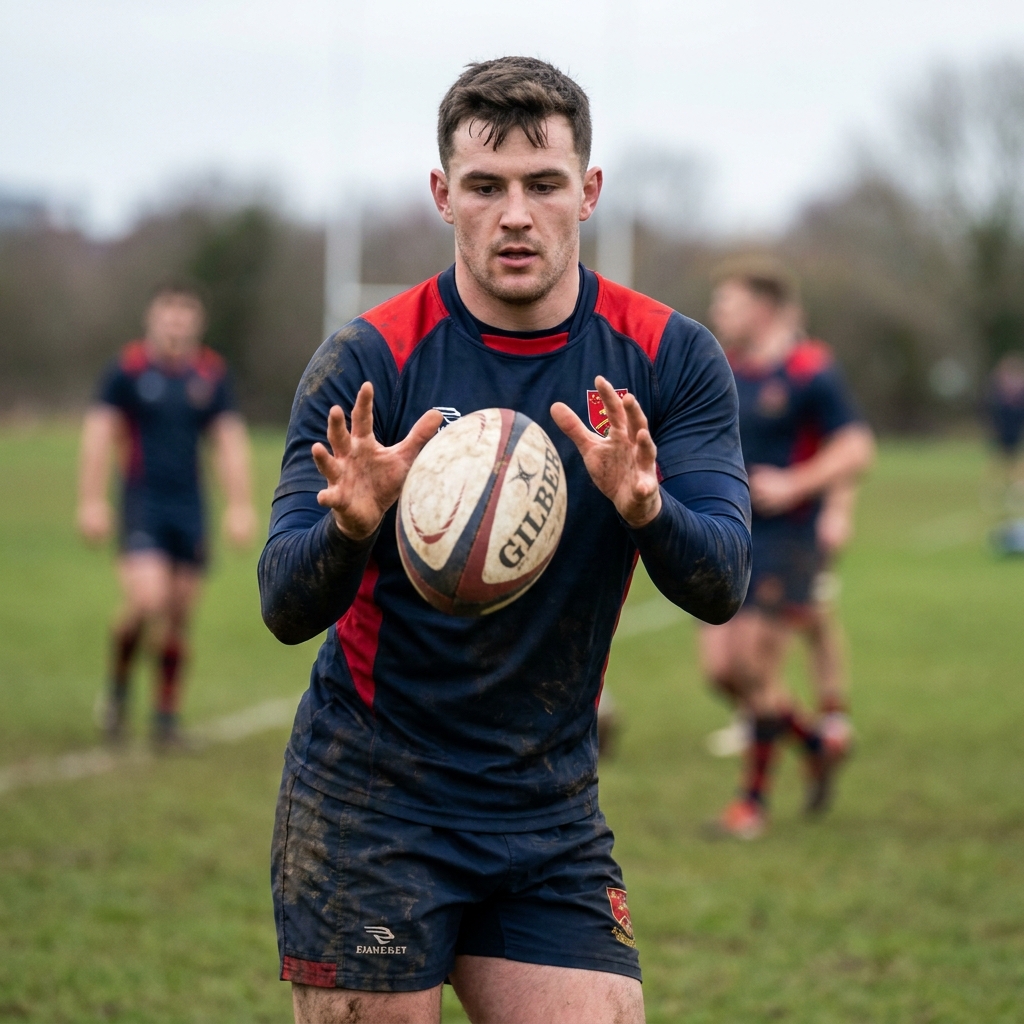
Your players can pass beautifully in a warm-up grid. Then a defender closes, their lungs are burning, and the ball goes to ground. Here is how to build catch-pass skills that hold up when it matters.