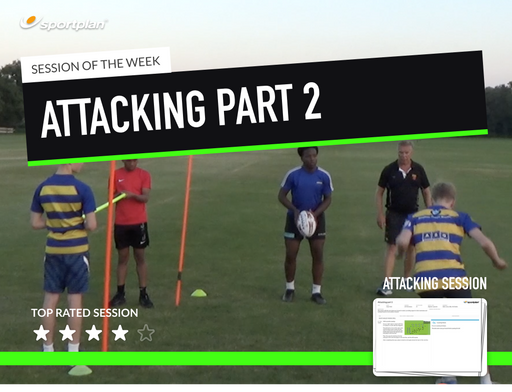
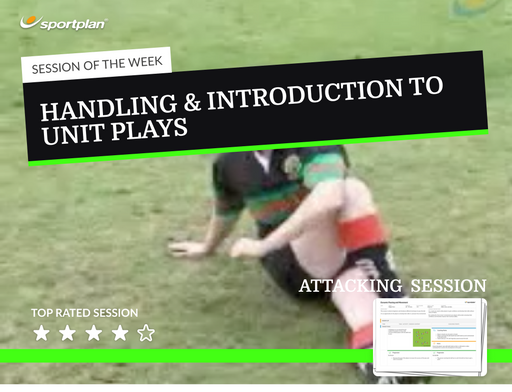
Give your players the confidence and skills they'll need to pluck a high ball out of the air and claim a safe catch, even when the wind is gusting and the rain is pouring.
Catching a high kick is not an easy skill, unlike many other skills in rugby which are based on instinct and reactions, players have a lot of time to see the a high ball coming and often 'over-think' which leads to mistakes being made.
To help your players avoid making mistakes and make sure all your players (and not just your backs) are confident catchers, this session works on your players' kicking and catching ability.
What's in the Session?
 Starting with the basics, covering the key learning points such as cradling the ball and lining up with the ball, you can progressively add pressure to test your players decision making ability - do they catch on the ground or do they jump to beat the opponent to the ball?

in more ways than one
 sportplan_netball

in more ways than one
sportplan_rugby
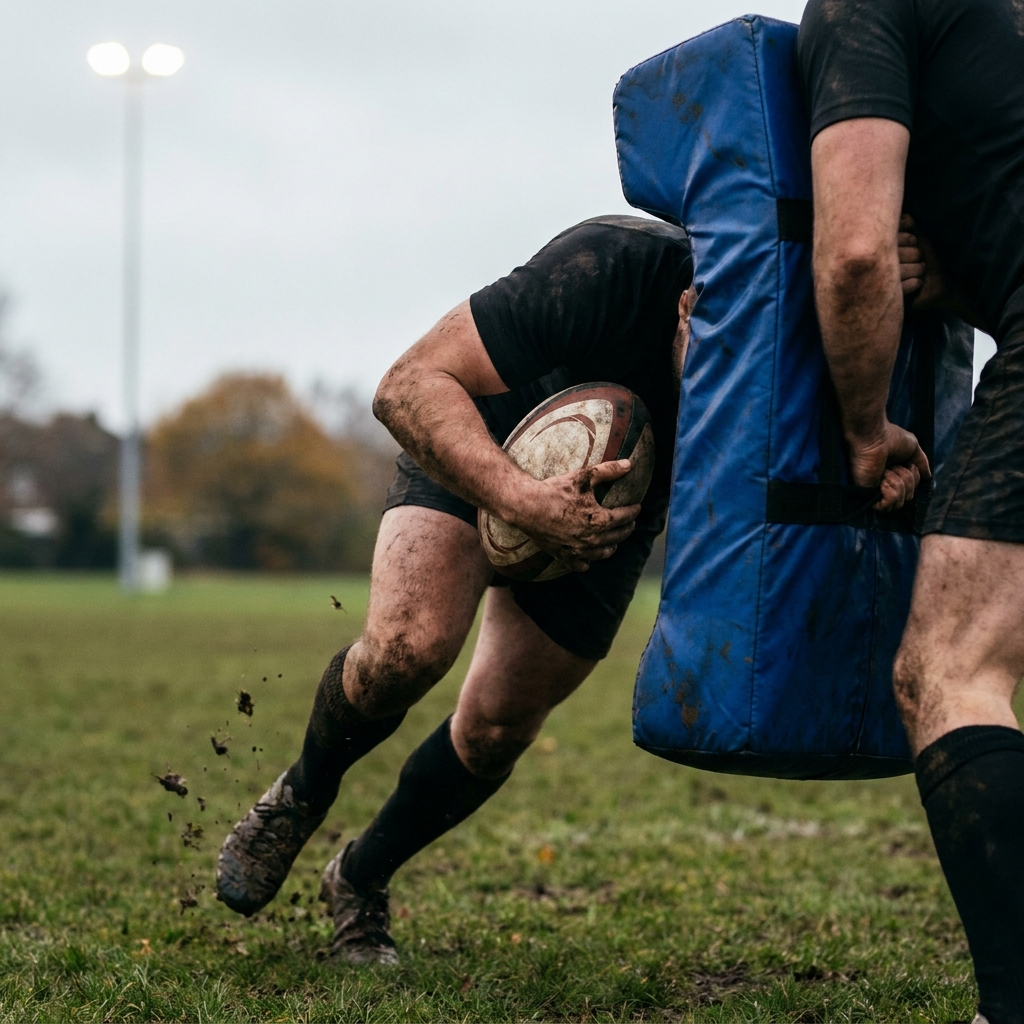
Tacklers are aiming lower, so carriers who dip late put heads at risk. Teach footwork, a strong early body height and leg drive to win the collision safely.
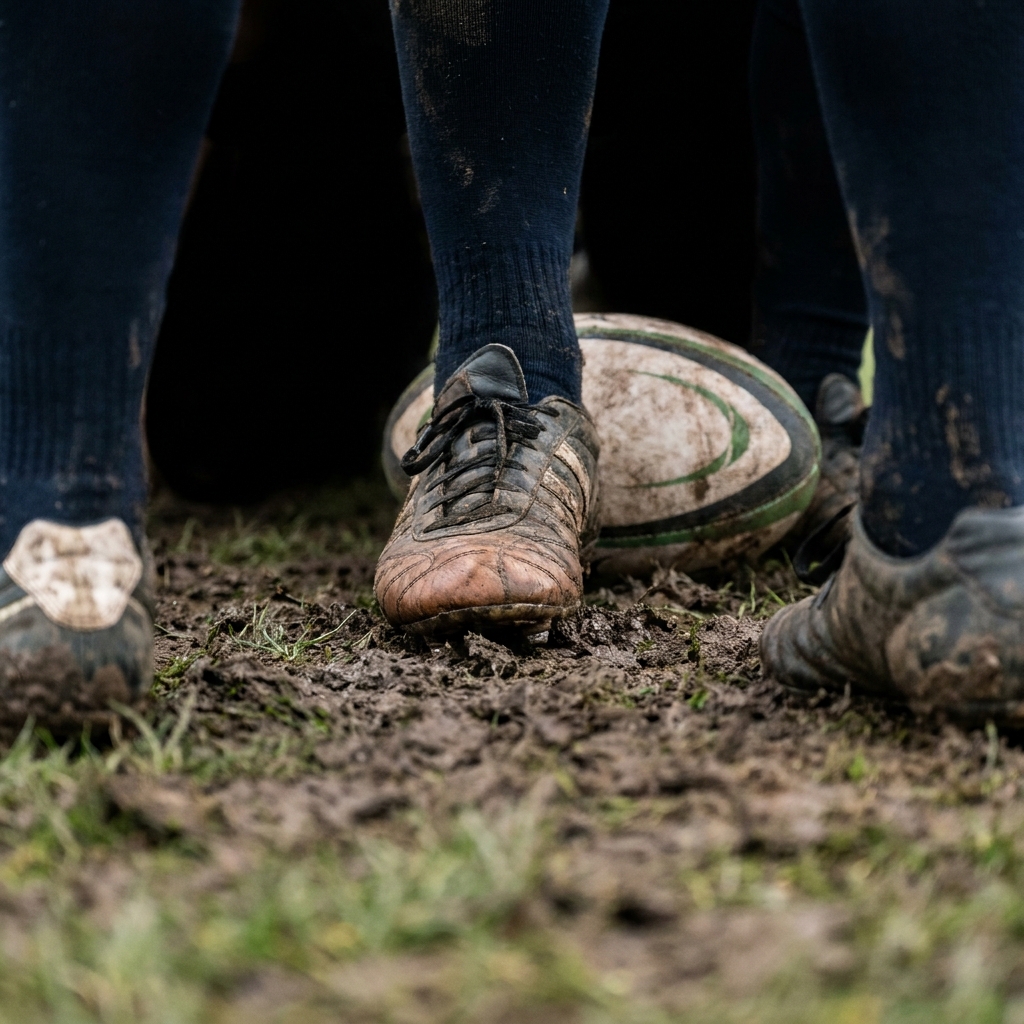
The hooker's brake foot moved from trial into full law in July 2026. Here is how to coach it so your front row stays stable, legal and safe.
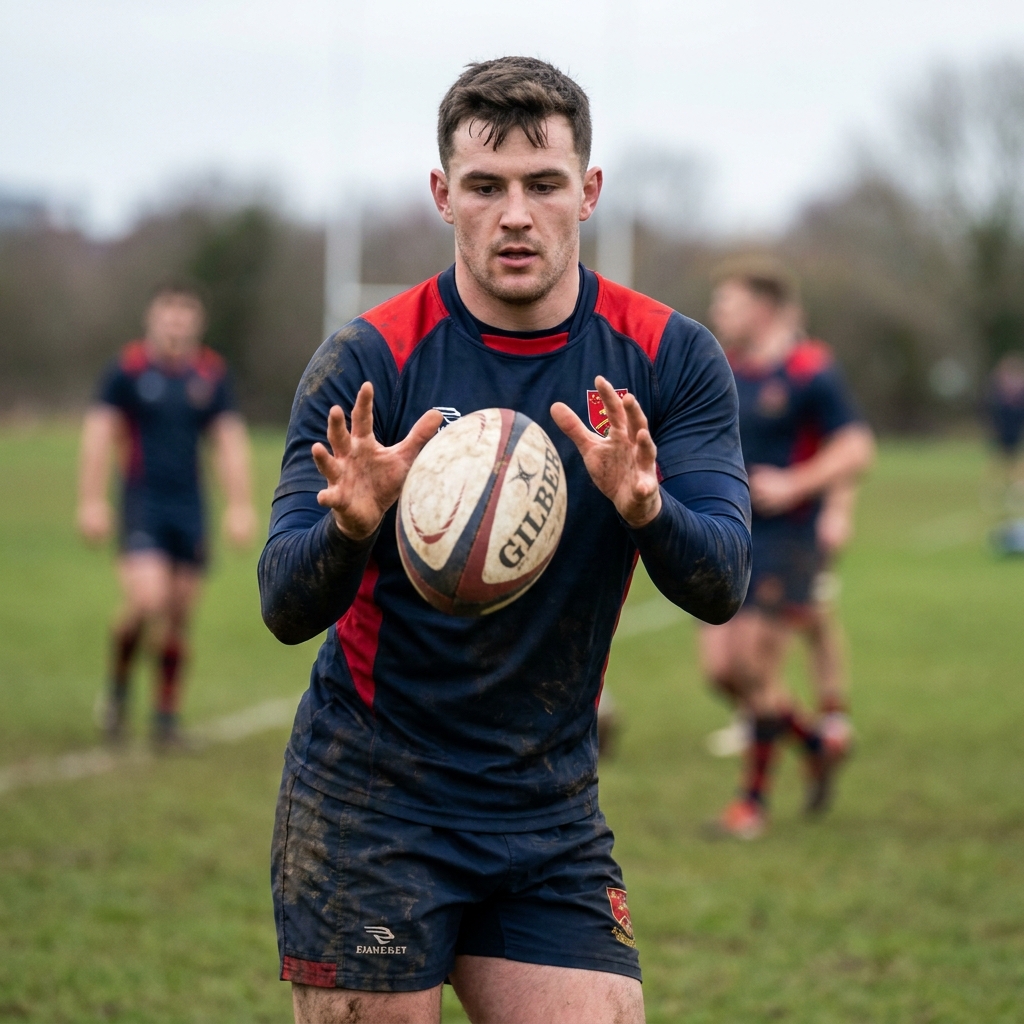
Your players can pass beautifully in a warm-up grid. Then a defender closes, their lungs are burning, and the ball goes to ground. Here is how to build catch-pass skills that hold up when it matters.