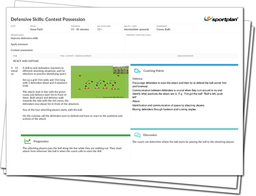
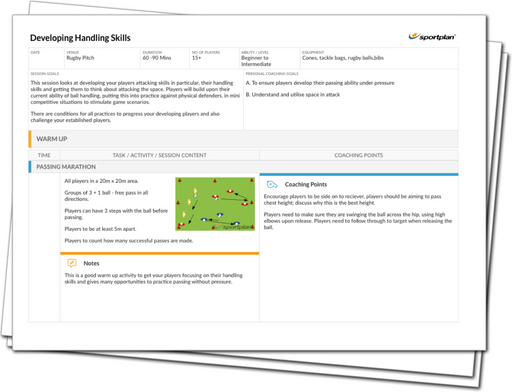
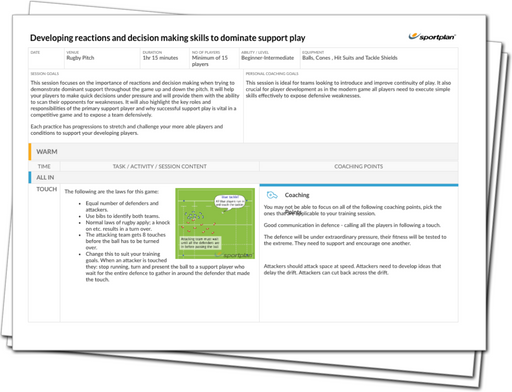
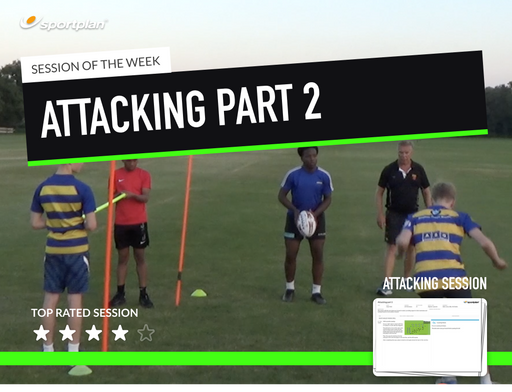
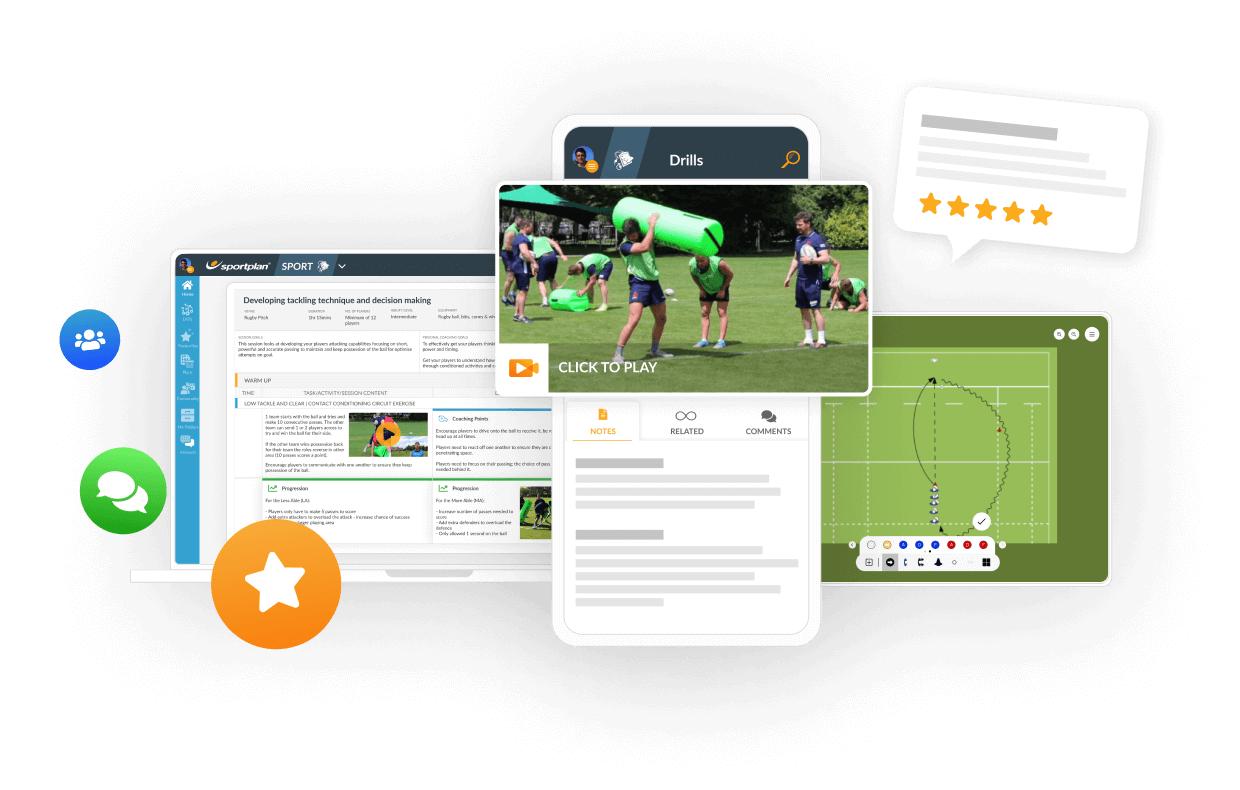
To make sure all your players are able to kick the ball with adequate 'hang time' and accuracy we work on drop kicks.
Drop kicks are not only a spectacular way for your players to score an extra three points with a Drop Goal (also called a Dropped Goal or Field Goal) but they can also be used to hoist the ball up and over to regain possession behind the opposition's defence.
Who's your kicker?
Normally your Full Back, Fly Half and Scrum Half will be your main kickers - However, it's important that all your players are able to kick the ball so that if called upon during your next game they will be able to kick with confidence.
What's in the Session?
Starting with a review of the correct kicking technique we then progress onto some Getting Height on the Kick exercises before finishing with a game of Kick Tennis! You might also like to keep a record of your players' kicking percentage so that you can compare and contrast later in the season to gauge their progress.
in more ways than one
 sportplan_netball

in more ways than one
sportplan_rugby

Tacklers are aiming lower, so carriers who dip late put heads at risk. Teach footwork, a strong early body height and leg drive to win the collision safely.

The hooker's brake foot moved from trial into full law in July 2026. Here is how to coach it so your front row stays stable, legal and safe.
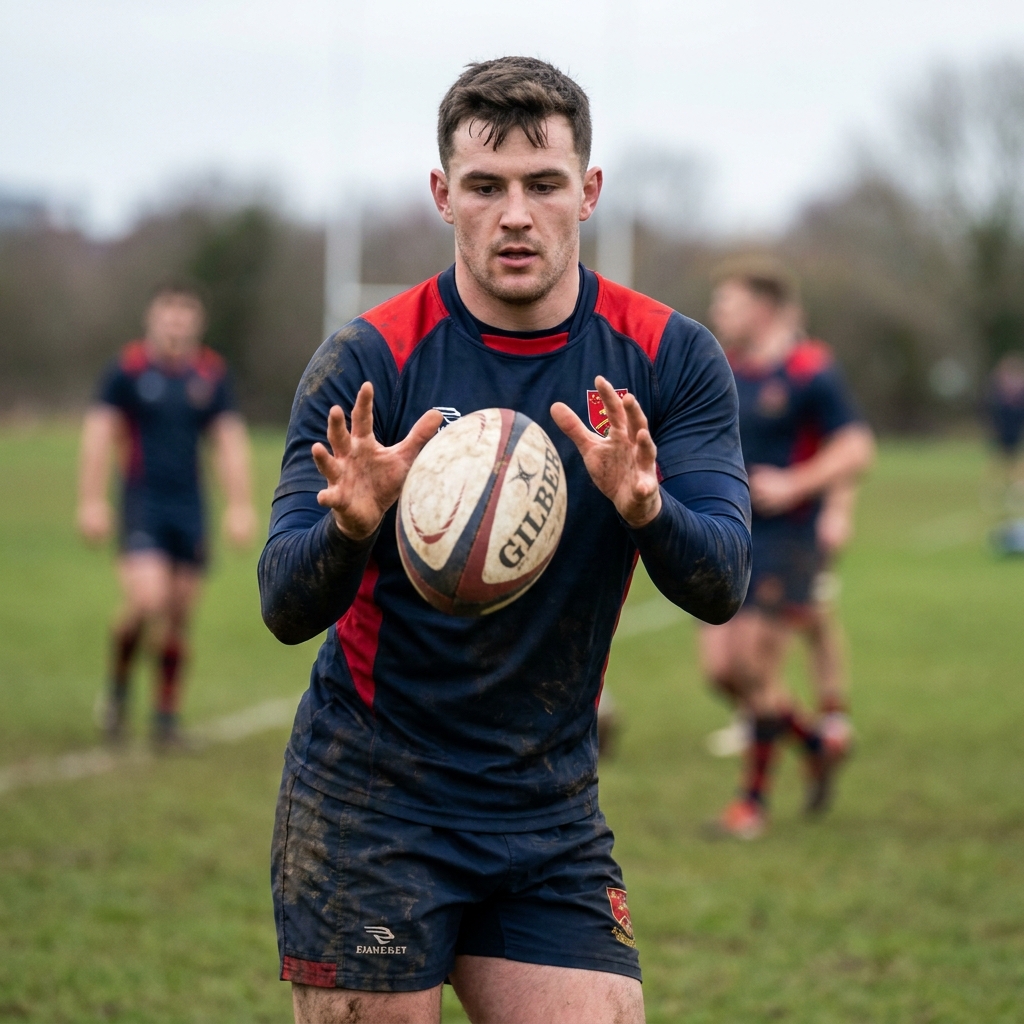
Your players can pass beautifully in a warm-up grid. Then a defender closes, their lungs are burning, and the ball goes to ground. Here is how to build catch-pass skills that hold up when it matters.