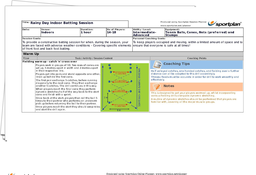
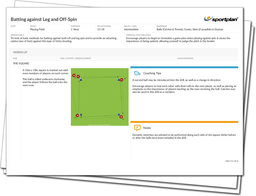
To keep your players occupied and moving this session gets your players working on their front and back foot batting inside a limited space (ideally in the nets), ensuring everyone's active and safe at all times.
The purpose of this sessions is twofold - firstly you've got a great session in reserve, to pull out whenever the weather's not cooperating and secondly you can get your players to put in the hard work - practising their batting mechanics, such as striking with a strong top hand to drive the ball out along the ground!
It's important you stress the need for hard work, and that batting becomes easier the harder you work. International cricketers often put in the hours practising with tennis balls as it's a great way of developing and grooving techniques.

The new Laws of Cricket are in force from 1 October 2026 and the 'bunny hop' boundary catch is gone. Here is how to coach your fielders to catch on the rope this winter.

The covers are on and the last tea has been served. What your club does between now and April decides how the next season starts. Here is a simple, honest winter plan for players, bowlers and juniors.
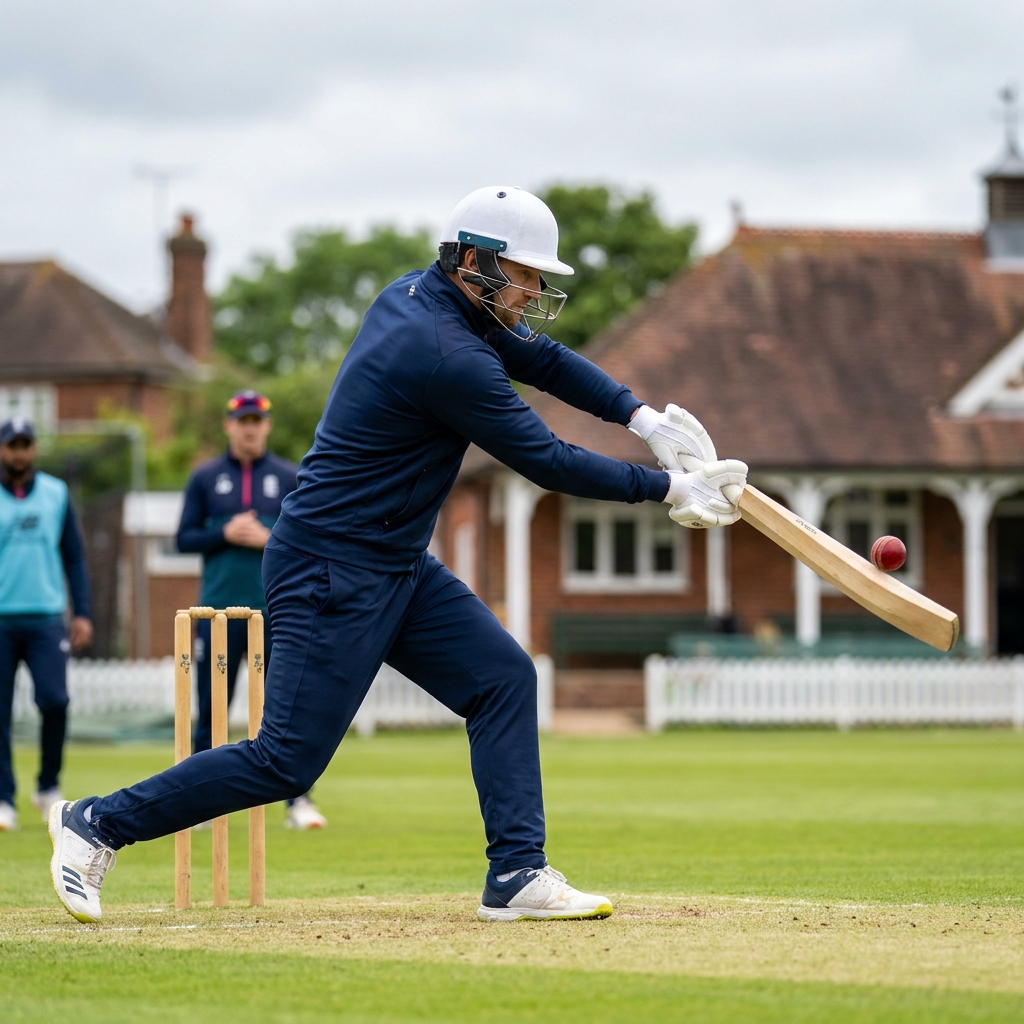
August is when seasons are decided, and most club games are lost chasing rather than setting. Give your batters a framework for the chase and you win the close ones.


Register for FREE and get coaching tips, top drills, session and more every week!