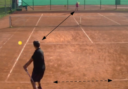
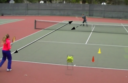
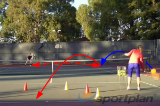
The coach serves to the T from deuce side. The player hits deep backhand return cross-court and the coach feeds shorter ball to the deuce side. The player then finishes with forehand drop shot down the line.
Baseline skills are crucial but we can't forget that return is a different stroke than regular forehand or backhand. The ball comes with different trajectory and with different spin so without proper practice time, even the best backhand won't be effective while returning. That is why it's important to work on specific patterns that start with serve and return, to make sure that players are confident not only during rally but also at the beginning of it.
In this drill, the player works on backhand return and next shot. After a good deep return, most of the opponents will be back behind the baseline, so it's important to capitalise on every short ball that comes on our side. Moving the opponent is not related just to playing from left to right but you can also use this strategy with deep and short variation. Pushing the opponent deep behind the baseline is a great opportunity to hit the next shot with drop shot. This sequence will not only give you easy winners but it will also force to the opponent to try to play more risky shots to avoid short balls.
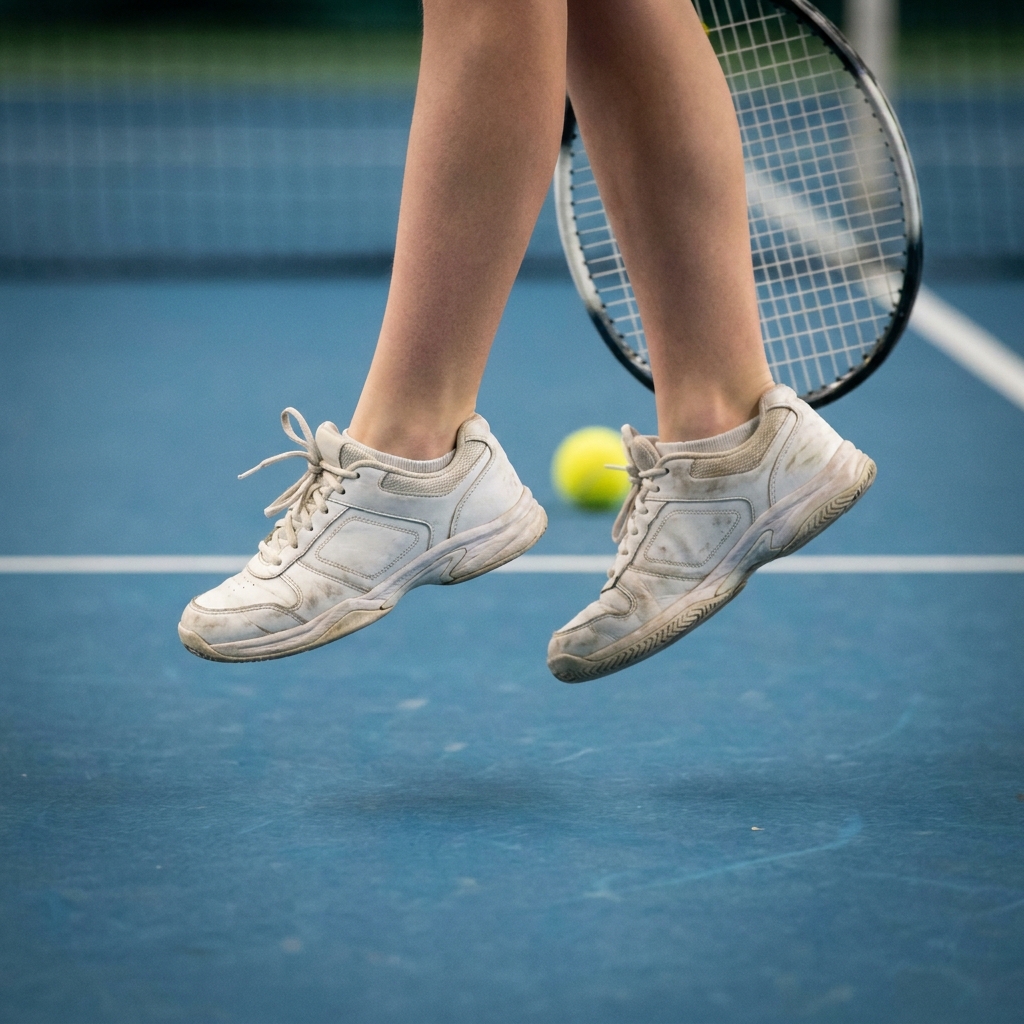
Indoor courts give players less time and less room. Help them sharpen their split step, shorten their swing and stay calm, and winter becomes a season of real progress.
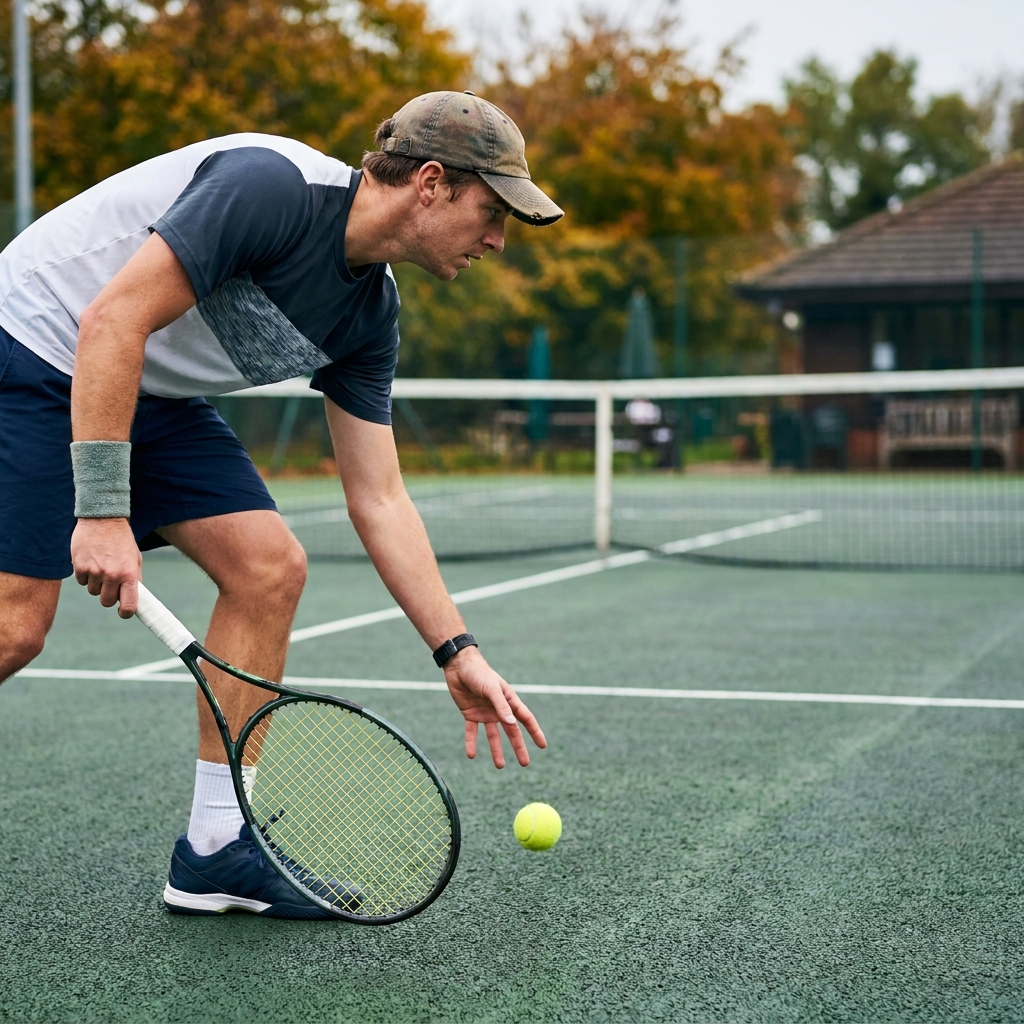
A tiebreak is a short sprint where every point is worth the same as a break of serve. The players who win them are rarely the ones who hit hardest. Here is how to coach the patterns, habits and scoreboard thinking that win the big points.
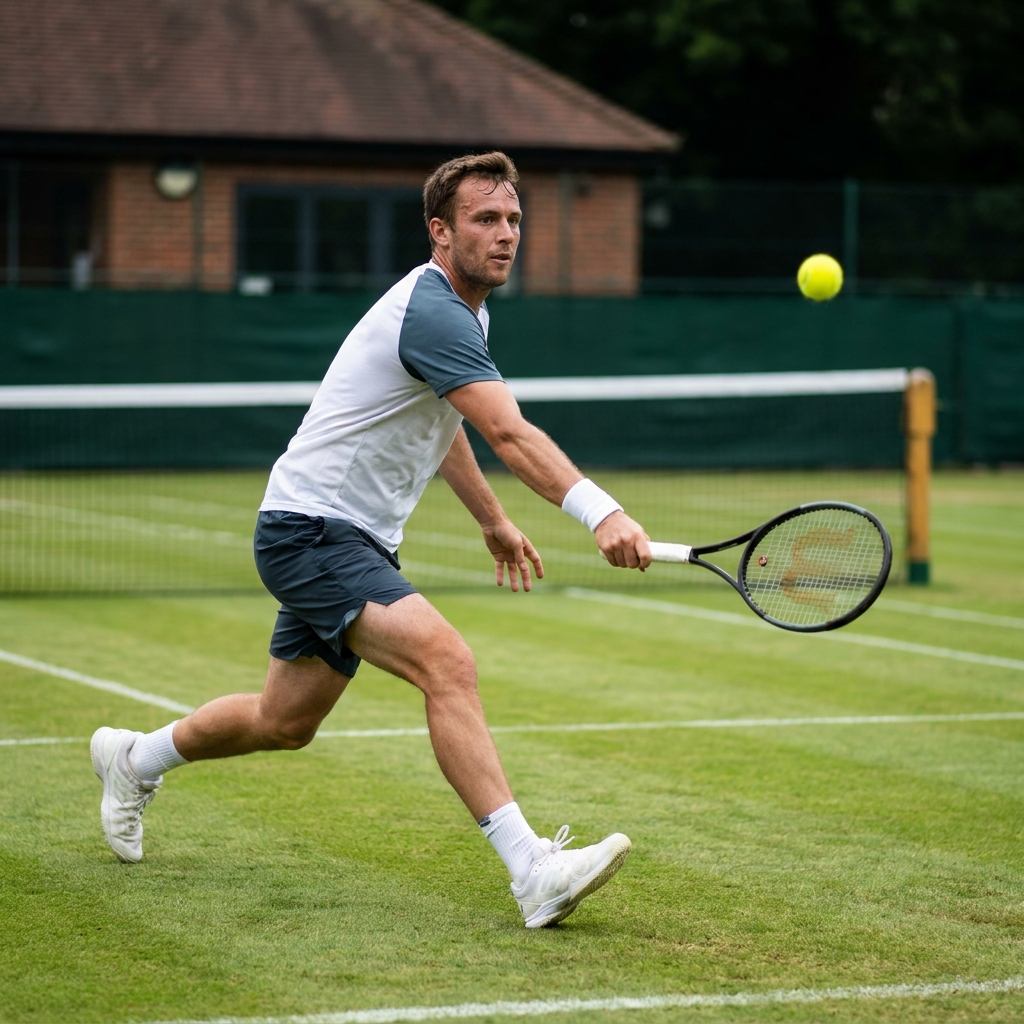
Most club players practise the serve on its own and then have no idea what to do with the ball that comes back. Serve plus one is the pattern that turns a good serve into a won point.


Register for FREE and get coaching tips, top drills, session and more every week!