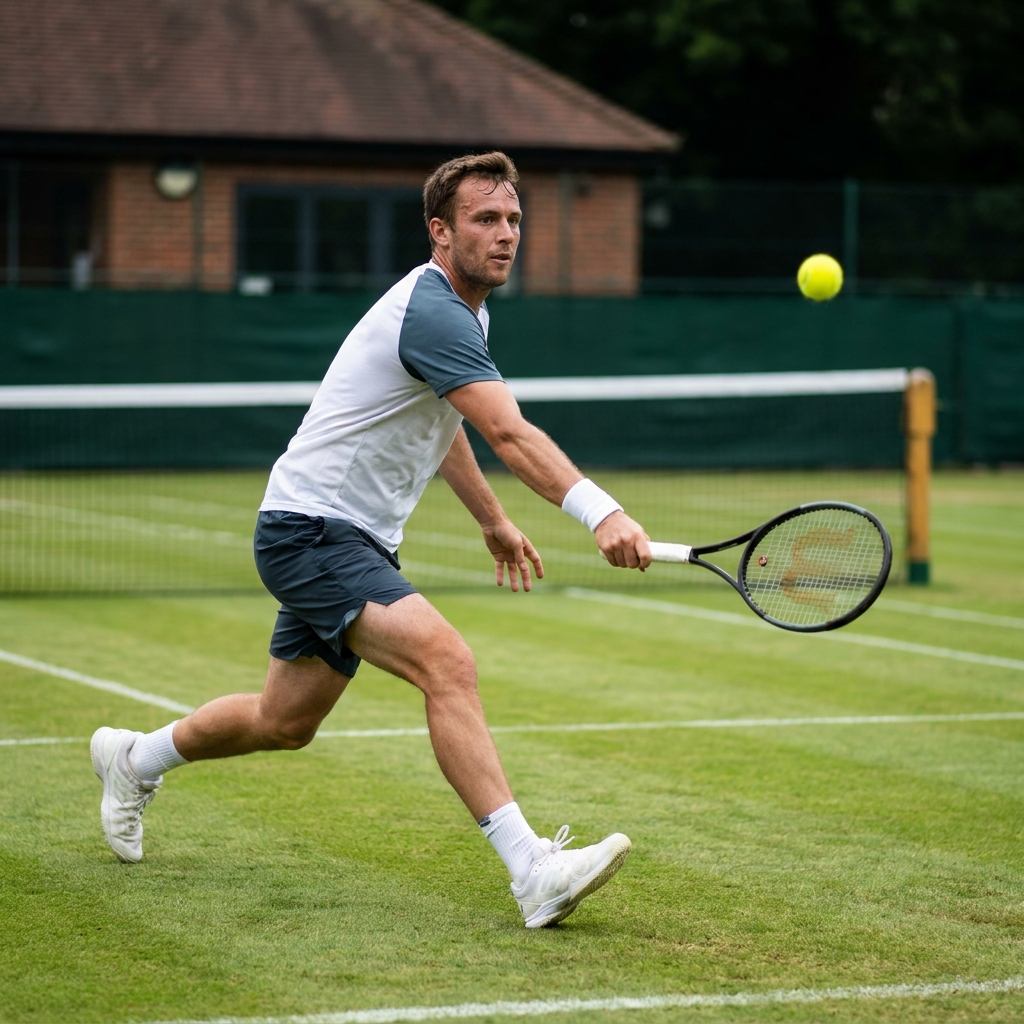
Position of the coach when feeding
hi. My name is Letty . Im a young coach trying to get level1 (ITF). Kindly help me with the position of the coach when trying to get a player u12 to practice passing.is it wrong for the coach to be in the service box or not?


Hi Letty,
When feeding for younger players, being on the service line is perfect. It is good stay closer to the player when feeding the ball so not to make them feel as if you court is so big. Keeping closer to them allows you to manage the speed of the feed as well as the height at which the ball arrives at them.
Make the feed realistic to their height and at the right pace to allow them to get it back effectively. More importantly however is to gauge the tempo and to get that right. When starting out with a new skill, they will need longer between feeds to be able to recover for the next shot. As they become more proficient with the skill, the tempo should increase to mimic a rally. Therefore, your positioning should vary depending on the tempo, the closer you are, the tempo would likely be slower, and then move out further to increase the tempo and speed of the feeds.
I hope this helps!
Hi Letty,
When you are feeding to a player whatever age you have to start feeding from the baseline and then gradually do more static shots like volleying so that you can develop the amount of balls which are d-fed at different times and faster and slower at times.