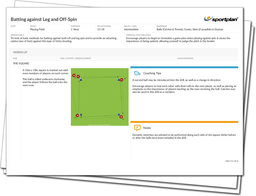
This week's session gives your players a chance to get tactical, giving them all the chance to practice setting fields against different batting threats.
Every opponent is different and as a result requires a different approach. There's no one size fits all field which means your captain is going to need to constantly assess the situation and set their field accordingly. Do they sacrifice runs to get wickets or risk taking fewer wickets to stop runs?
To introduce your players to setting fields to different threats this session aims to promote discussion on how to set fields, give all your players the chance to organise their own field and to identify potential leaders and captaincy material within your team.
Setting fields is all about trial and error, if your players see something isn't working your players should take control and reorganise their field, putting the right tactics in place. So allow your players to put their own ideas into the session. It's the combination between bowlers and fielders efforts that will result in building pressure to bring wickets.

The new Laws of Cricket are in force from 1 October 2026 and the 'bunny hop' boundary catch is gone. Here is how to coach your fielders to catch on the rope this winter.

The covers are on and the last tea has been served. What your club does between now and April decides how the next season starts. Here is a simple, honest winter plan for players, bowlers and juniors.

August is when seasons are decided, and most club games are lost chasing rather than setting. Give your batters a framework for the chase and you win the close ones.


Register for FREE and get coaching tips, top drills, session and more every week!