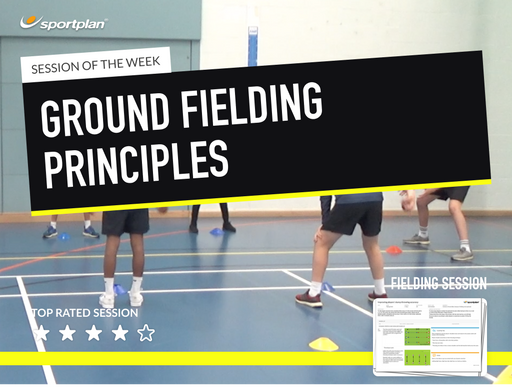
The key to a good out-fielding side is that they attack the ball (meet the ball rather than wait for it to come to them). By being positive and alert, players can get to the ball quicker, planting doubt into the batsman's mind by reducing the space that they can openly hit the ball into.
Your players should be used to getting their body behind the ball, so that even on the bumpiest of pitches they're able to pick it up quickly and send it back towards the wickets. However, using the long barrier in training is different to in a match when the stakes are raised.
It's for that reason that this plan uses conditioned games to test how your players use the ground fielding techniques they know in a pressurised situation - ensuring your players keep their eyes on the ball right until the moment it's in their hands.
After using this session you would hope to see your team play more comfortably in their next game, focusing better on the incoming ball and stopping it in its tracks.

The new Laws of Cricket are in force from 1 October 2026 and the 'bunny hop' boundary catch is gone. Here is how to coach your fielders to catch on the rope this winter.

The covers are on and the last tea has been served. What your club does between now and April decides how the next season starts. Here is a simple, honest winter plan for players, bowlers and juniors.
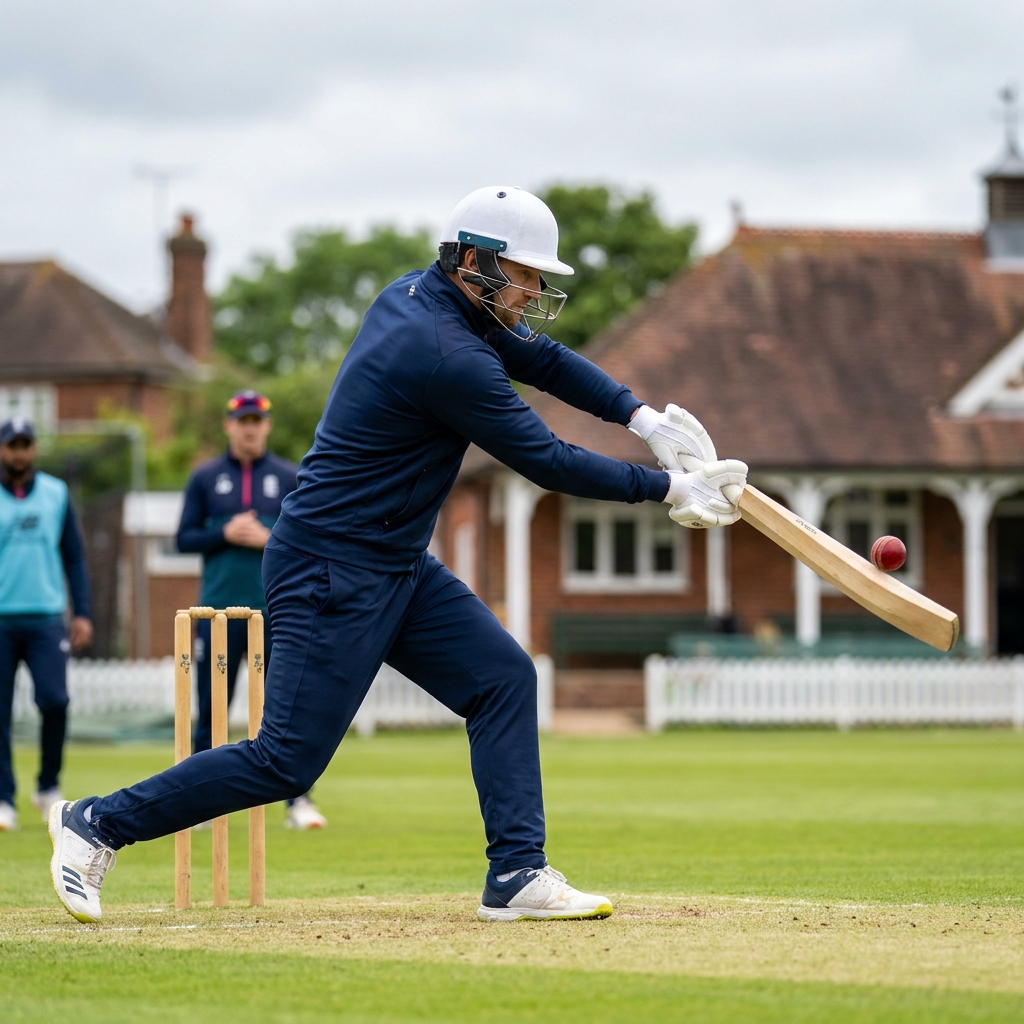
August is when seasons are decided, and most club games are lost chasing rather than setting. Give your batters a framework for the chase and you win the close ones.


Register for FREE and get coaching tips, top drills, session and more every week!