


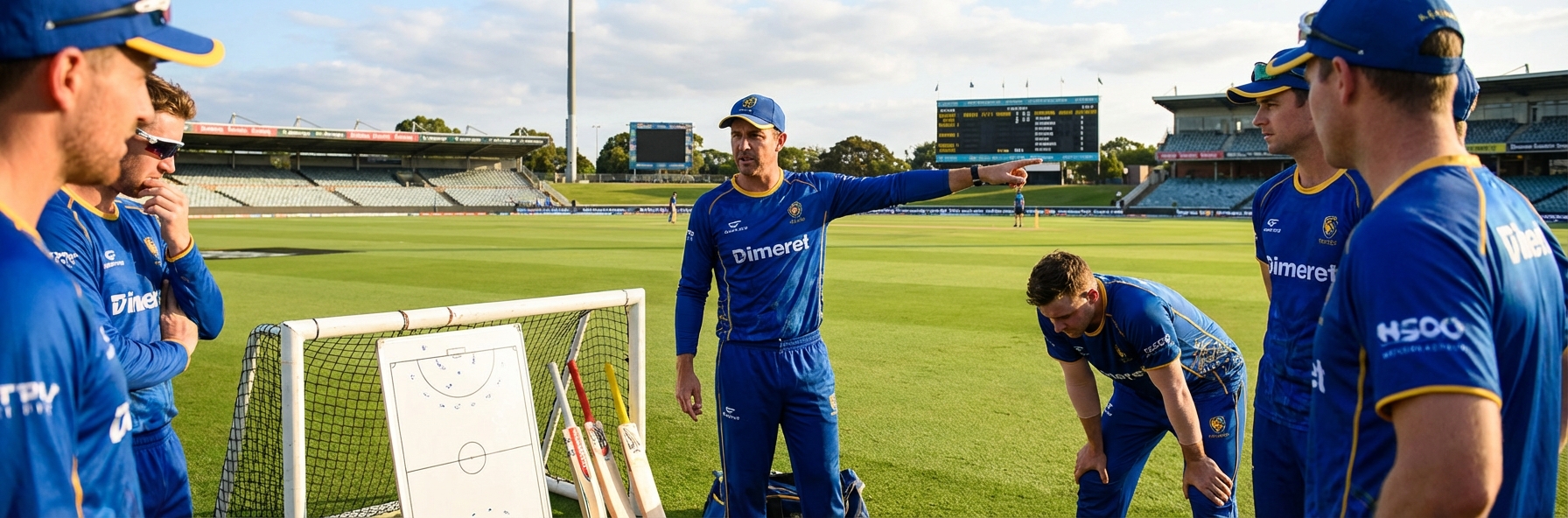
T20 captaincy is chess at speed. You have 120 balls to bowl, every over matters, and the margin between winning and losing can be one wrong decision. There's no time for deliberation - choices must be instinctive yet informed.
The best white-ball captains combine exhaustive preparation with the flexibility to adapt when plans fail.
Pre-Match Preparation
Good decisions in the heat of battle come from work done before it:
Opposition analysis: Know every batter's scoring areas, weaknesses against specific bowling types, and tendencies under pressure. Modern analytics provide this data - the captain must absorb it.
Bowling matchups: Which bowler matches well against which batter? Some spinners dominate certain players; some seamers are exploited by others. Know these relationships.
Ground conditions: Boundary dimensions, pitch behaviour, wind patterns. A ground with short straight boundaries changes bowling options completely.
Contingency planning: "If X happens, we do Y." Walk through scenarios before they occur. When they happen, the response is automatic.
Bowling Changes
The most frequent captaincy decision is who bowls next. Principles to guide choices:
Stay ahead of the game: Make changes before problems develop, not after. If a batter is looking comfortable, change something before they explode.
Matchups first: Who is the best option against this specific batter right now? Not who is your best bowler generally, but who wins this particular battle.
Save overs wisely: Your death bowler's overs are precious. Don't burn them in the middle overs just because you're under pressure.
Trust your bowlers: Constantly changing after one boundary destroys confidence. Sometimes you have to back someone through a difficult over.
Field Setting Principles
Field placement in white-ball cricket balances attack with containment:
Know the danger zones: Where does this batter score? Put fielders there first, then fill other positions.
Boundary vs ring: Early in a T20, boundary protection often trumps ring fielders. In middle overs, the balance shifts. Adjust dynamically.
Create doubt: Unusual field positions can make batters hesitate. A fielder in an unexpected position makes them think twice.
Communicate constantly: Every fielder should know where the ball is meant to go and their role in the plan.
Managing the Pressure Moments
Certain moments carry disproportionate weight:
Powerplay bowling: The first six overs set the tone. Aggressive fields? Defensive caution? The choice depends on conditions and opposition openers.
Middle overs control: Overs 7-15 in T20 are about managing run rate while looking for wickets. Spin often dominates here.
Death overs: The game is often won or lost in the last four overs. The captain must have clear plans and trusted death bowlers.
Communication
Captaincy is communication. The best leaders:
Explain the plan: Every bowler and fielder should understand what they're trying to achieve and why.
Stay calm: The captain's demeanour affects the team. Panic spreads; composure steadies.
Listen: Bowlers know their own craft. A captain who never takes suggestions loses valuable information.
Acknowledge mistakes: When something doesn't work, own it and move on. Blame destroys team cohesion.
Decision Making Under Fatigue
Captains often have to think clearly while physically exhausted - after bowling a spell, during a challenging batting innings, or in oppressive heat:
Simplify decisions: When fatigued, default to pre-planned responses rather than trying to innovate
Use time-outs wisely: Strategic time-outs aren't just for the team - they give the captain space to think
Delegate input: Experienced players can suggest options. The captain decides, but input helps
Developing Young Captains
Captaincy skills develop through practice:
Junior leadership: Give young players captaincy experience in training games and junior matches
Decision review: After matches, discuss key decisions - not to criticise but to learn from outcomes
Scenario work: Present hypothetical situations and ask how they would respond. Build the mental database
Key Coaching Points
- Preparation enables instinctive decisions under pressure
- Matchups guide bowling and field changes more than general quality
- Stay ahead - make changes before problems become crises
- Communication affects team confidence and clarity
- Captaincy is a skill that develops through practice and review