What is the session about?
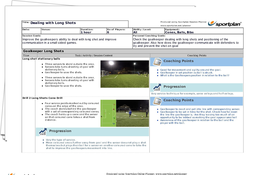
This session works on the goalkeeper getting into position to deal with shots from distance. Although the goalkeeper has more time to deal with shot they may be out of position and need to retreat to prevent a shot over the top. The danger is retreat to far and the GK will not have time to get set. If GK does not retreat far enough they are leaving themselves wide open to a shot over their head.
How will this benefit a coach and their players?
The goalkeeper will gain more confidence in having an aggressive start position to protect the space behind the defenders knowing that they have the ability to recover position and deal with a shot from distance.
What key skills will be worked on in this session?
The session works on making saves from long distance and shot stopping. If also works on positioning in relation to how far the ball is up the pitch. In the final drill we can introduce communication and information the goalkeeper gives to their defenders.
Is there a specific age group for this session to be aimed at? If so, what age group and why?
The session is aimed at intermediate goalkeepers. The key to this session is the service and younger goalkeepers may not have the ability to strike the ball from distance.
Can you name an exercise which is particularly key to this session?
The final drill is a great one to improve communication and see how the skills learnt in the earlier drills are put into practice by the goalkeepers. It is also great fun for goalkeepers of all ages as there will be plenty of shots. The game can also progress into an unrestricted small sided game involving outfield players.

The 2026 World Cup is nearly upon us. Here is Sportplan's preview for the tournament on who we think is going to do well and which teams to look out for.

Discover our new Coaching Trends section - in-depth articles covering the latest tactics, techniques and innovations across Football, Hockey, Cricket, Rugby, Netball, Basketball, Tennis, Handball and Volleyball.
Save yourself a scare this Halloween and ensure your session runs smoothly. No chaos, no fright, just structure.


Register for FREE and get coaching tips, top drills, session and more every week!