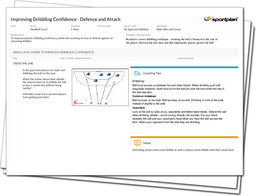
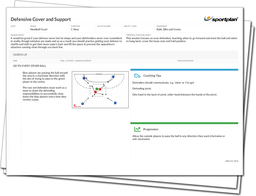
Every player on your team should be able to perform some sort of feinting movement to trick the other team when running with the ball.
Starting with some unopposed exercises we gradually increase the difficulty, building towards match-intensity dribbling and feinting. The drills in this session are an excellent starting point for teaching players of all ages how to feint and can be progressed for more experienced players by introducing them to the technique for the 0-Step.
The 0-Step explained:If the ball is caught in the air players are allowed to take three steps as the landing step does not count. For this reason the first step is called "0 step". Players should try to use this first step to their advantage to wrong-foot their opponent (see example below).
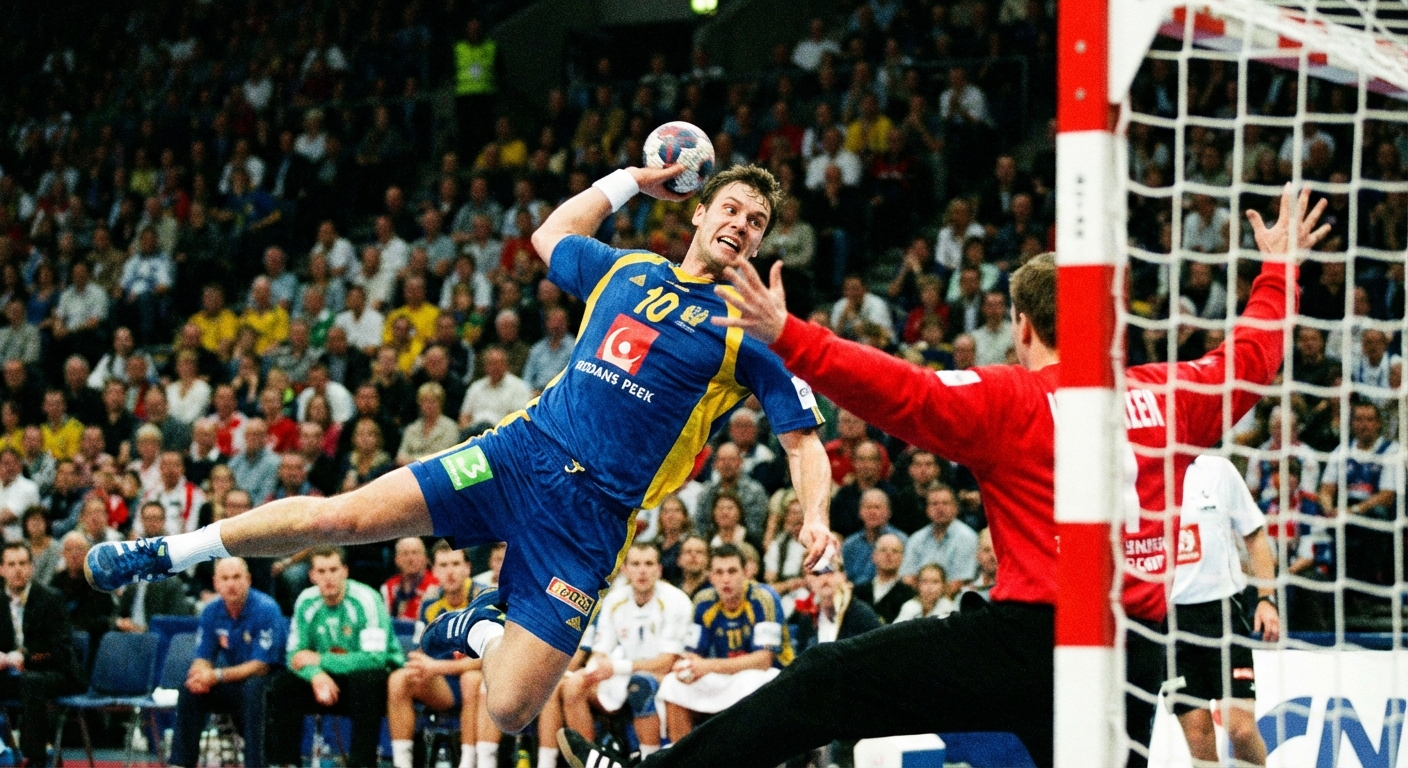
Wing players operate in the most demanding shooting position on a handball court, where acute angles and a close goalkeeper make finishing a specialist skill. This article breaks down the technique, decision-making, and training progressions that coaches need to develop elite wing finishing.
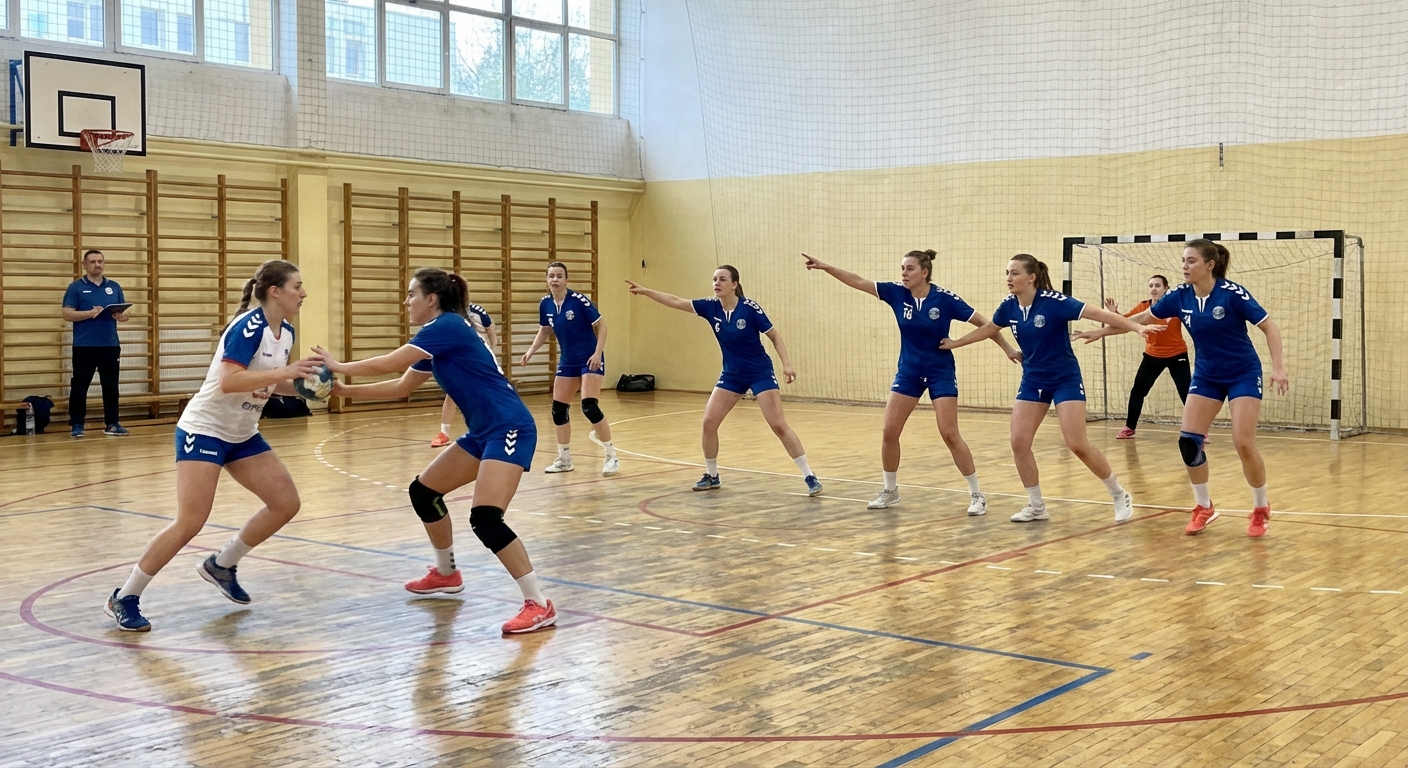
The transition from attack to defence is the most vulnerable moment in handball. This article examines the 3-second recovery principle, the specific roles players must adopt during transition, and the training scenarios that build a team's ability to recover defensive shape under pressure.
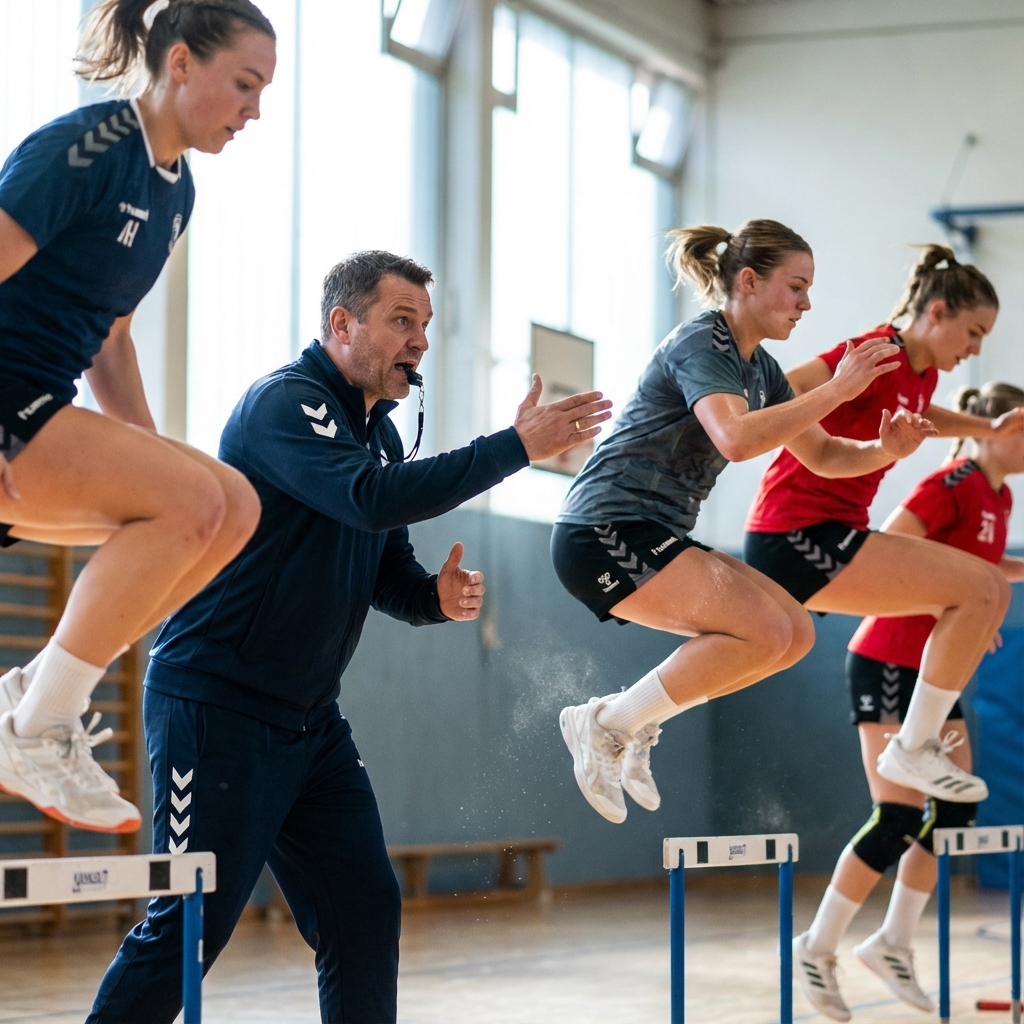
Handball demands explosive power, repeated sprint ability, and the strength to compete physically for 60 minutes. Sport-specific conditioning develops the athletic qualities that underpin elite performance.


Register for FREE and get coaching tips, top drills, session and more every week!