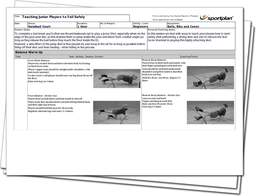
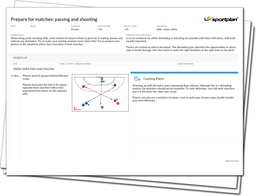
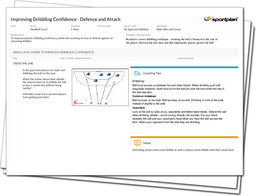
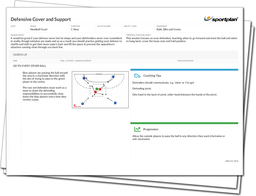
This fun session is designed to put your players on their backside (in a good way) as we work on developing their ability to land safely and fall after playing a jump shot.
Why is learning to fall important?
To complete a fast break you'll often see the professionals play a Jump Shot, especially when on the edge of the goal area line, as this enables them to jump inside the area and shoot from a better angle. However, a side-effect of the jump shot is that players try and hang in the air for as long as possible before firing off their shot and then landing - often falling in the process. Therefore teaching players how to fall safely, and without fear at an early age, is important for their future handball development.
What's in the session?
Starting with some core strength and balance practices we then get the crash mats out and prepare the runway for your players to run, dive and land.
Through a series of fun games and drills this session aims to take the fear out of falling and develop your players' ability to land safely, to try and ensure that as your players develop they learn how to fall safely and prevent injury to themselves.
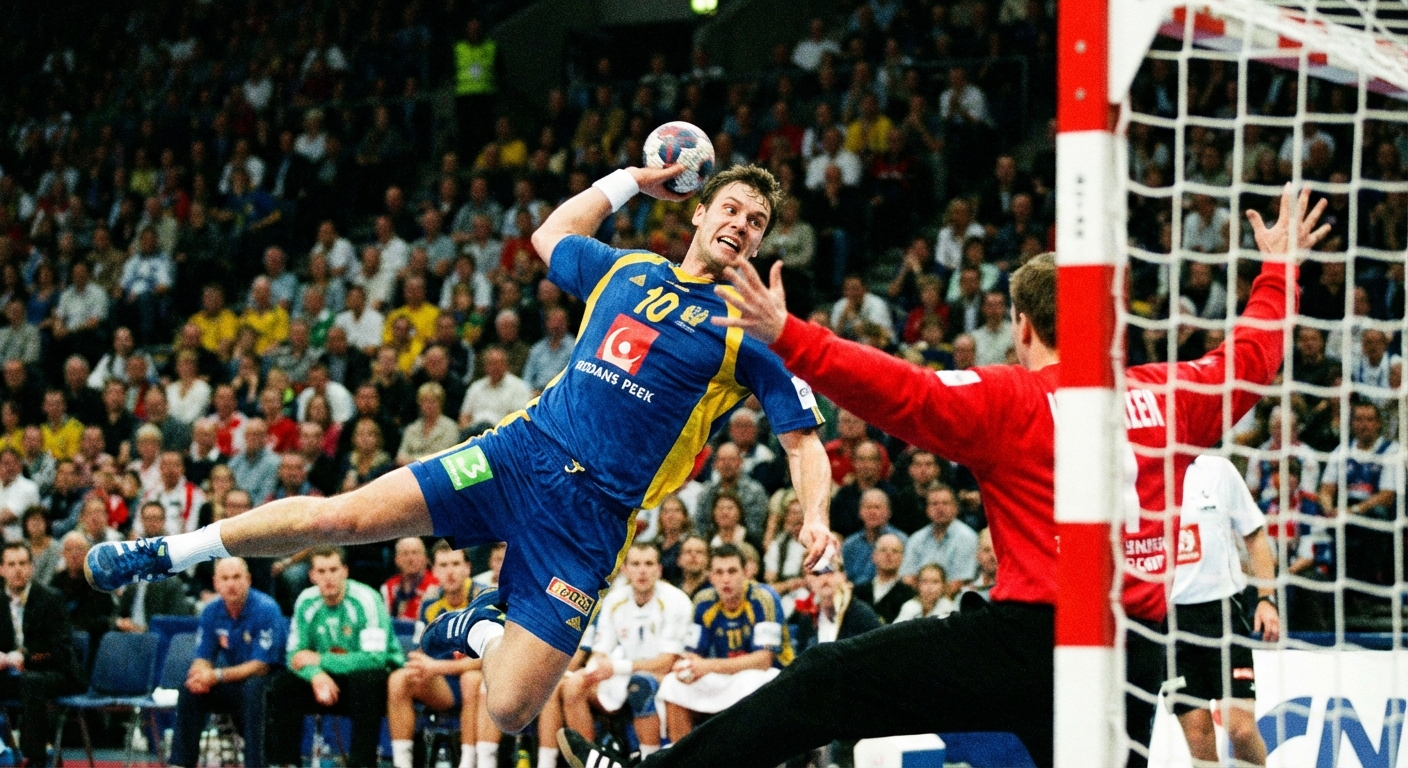
Wing players operate in the most demanding shooting position on a handball court, where acute angles and a close goalkeeper make finishing a specialist skill. This article breaks down the technique, decision-making, and training progressions that coaches need to develop elite wing finishing.
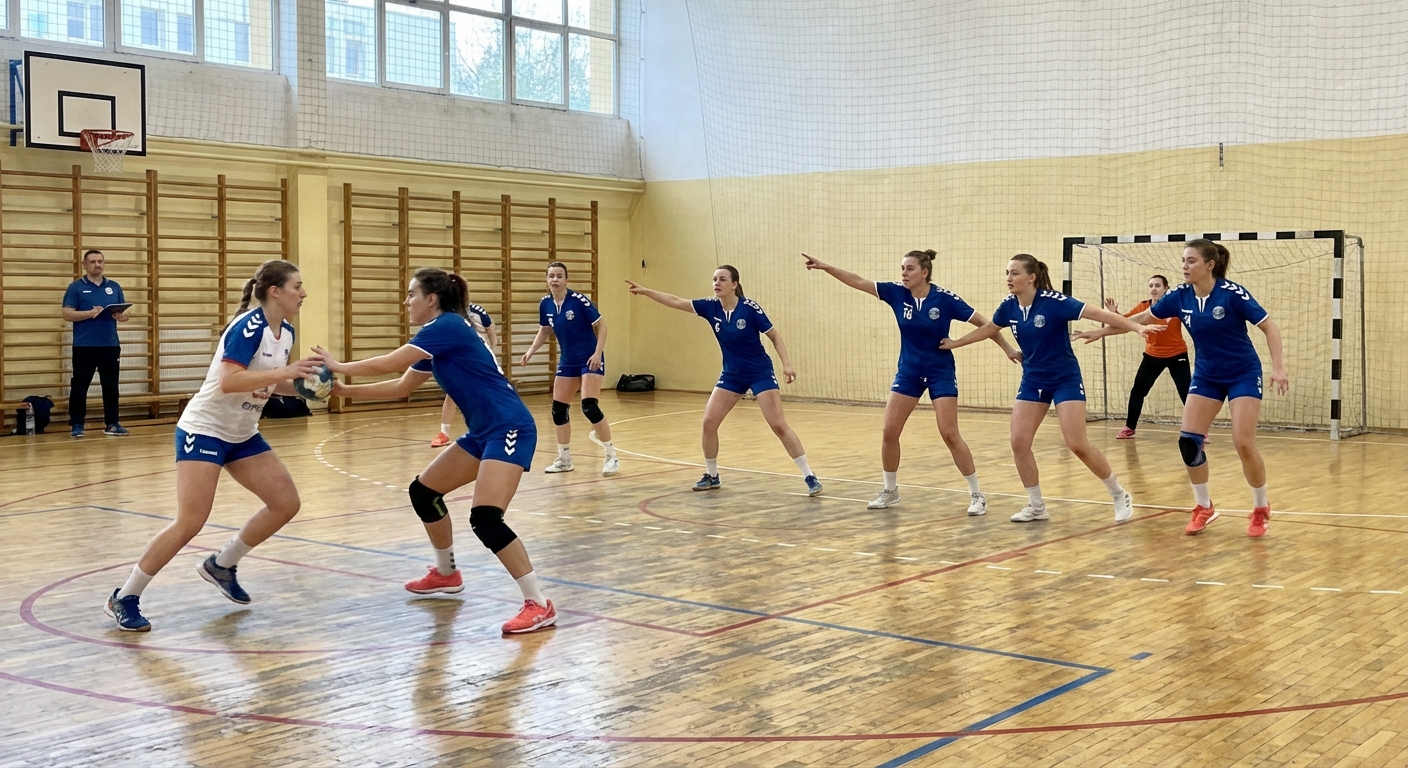
The transition from attack to defence is the most vulnerable moment in handball. This article examines the 3-second recovery principle, the specific roles players must adopt during transition, and the training scenarios that build a team's ability to recover defensive shape under pressure.
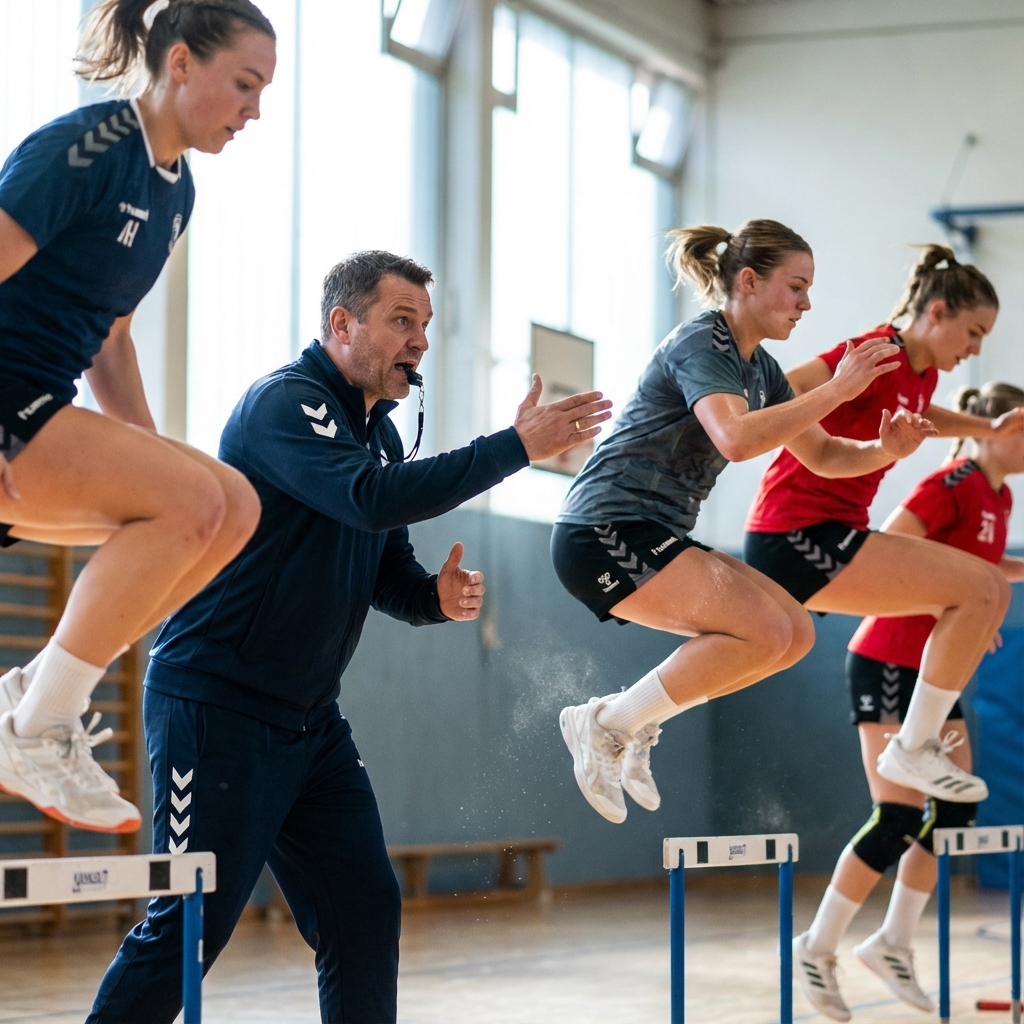
Handball demands explosive power, repeated sprint ability, and the strength to compete physically for 60 minutes. Sport-specific conditioning develops the athletic qualities that underpin elite performance.


Register for FREE and get coaching tips, top drills, session and more every week!