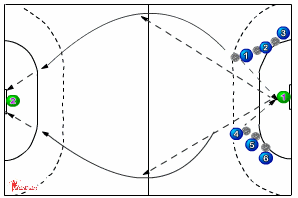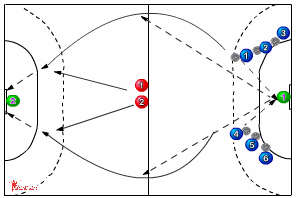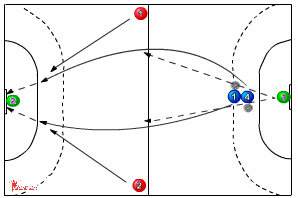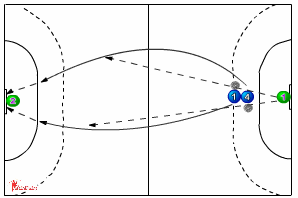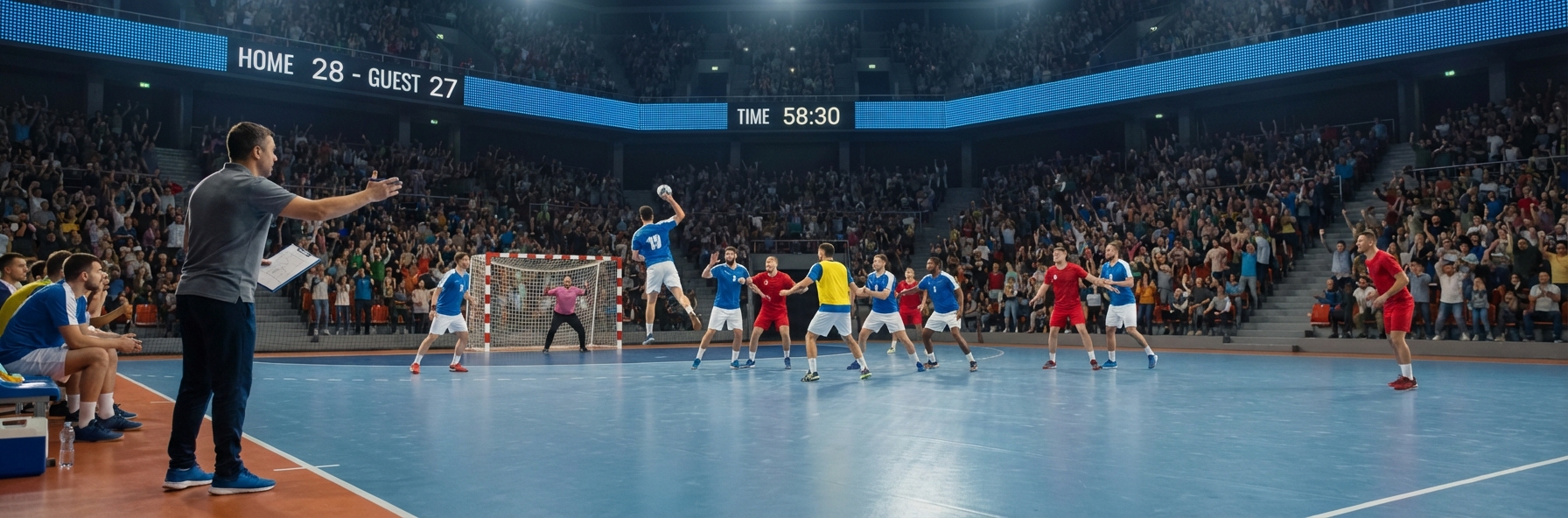
Seven-against-six has become one of the most significant tactical developments in modern handball. Used extensively in World Championships and European competitions, this high-risk, high-reward strategy creates an extra attacker by removing the goalkeeper, fundamentally changing offensive dynamics.
When to Use 7v6
Strategic application is critical:
Down on scoreboard: When trailing, the extra attacker can help close the gap.
Attack resets: Breaking down stubborn defences that have neutralised standard attacks.
Late game situations: Controlled possessions when needing specific results.
Numerical disadvantage: Compensating for player suspensions.
Execution Requirements
Making 7v6 work effectively:
Ball security: Turnovers result in easy empty-net goals against.
Quick transitions: The seventh player must get into position rapidly.
Communication: All players must know roles in the expanded formation.
Shot selection: Only high-percentage opportunities should be taken.
Formation Adjustments
Extra back player: Adding width to the backcourt attack.
Double line player: Overwhelming the defensive middle.
Wing overload: Creating crossing options on the flanks.
Flexible positioning: Players rotate through different spots.
Defending Against 7v6
Aggressive defence: Pressure can force turnovers for empty-net chances.
Long passes: Quick counterattacks exploit the empty goal.
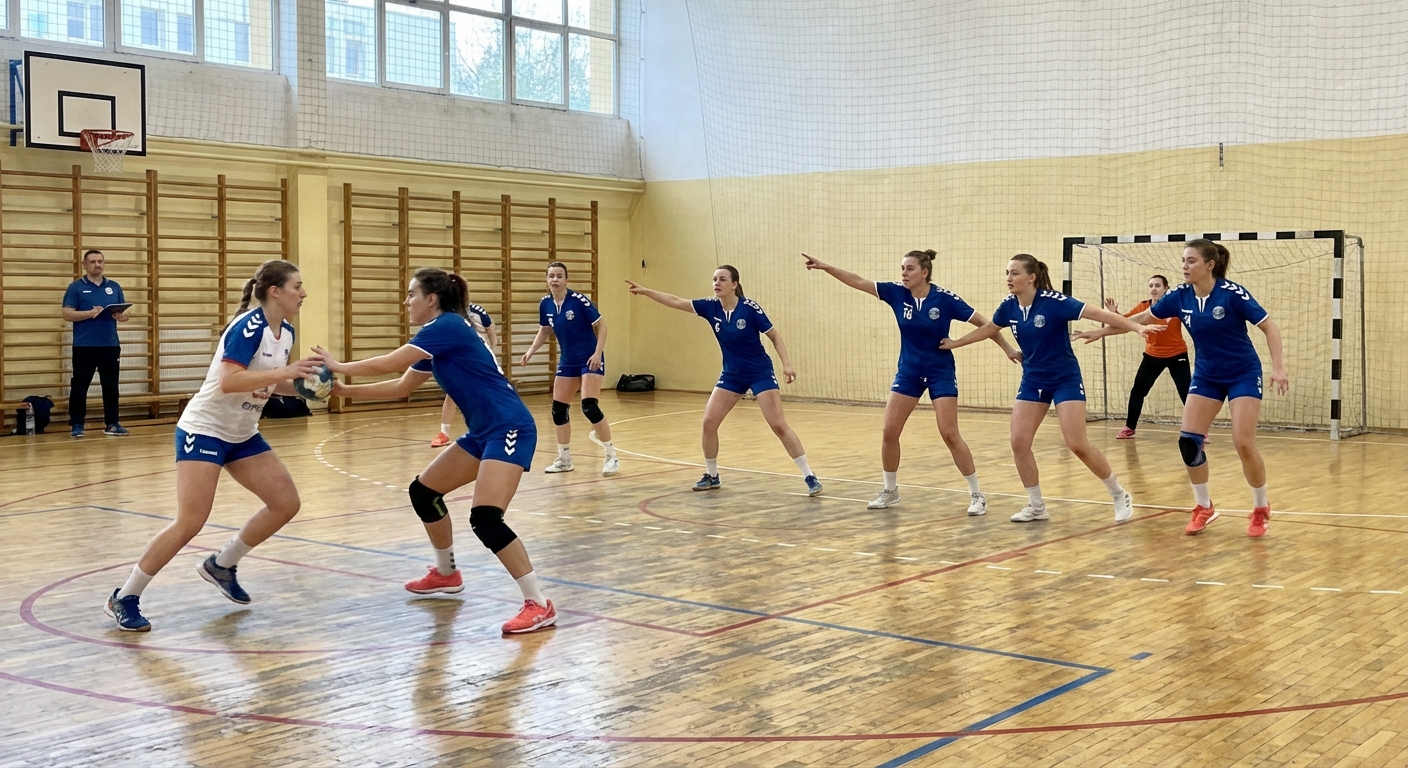
Zone adjustment: Modified defensive positioning for extra attacker.
Patience: Wait for the mistake rather than gambling.
Key Coaching Points
- 7v6 is a tactical tool, not a permanent strategy
- Ball security is paramount - turnovers are catastrophic
- Practice specific plays designed for the extra attacker
- Goalkeeper must be ready to return instantly if possession is lost
- Analyse opponents' 7v6 and defensive responses through video