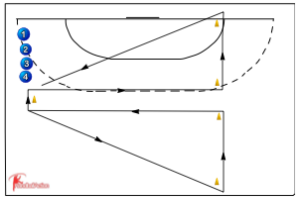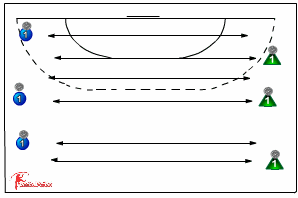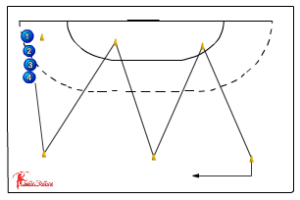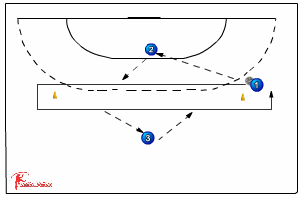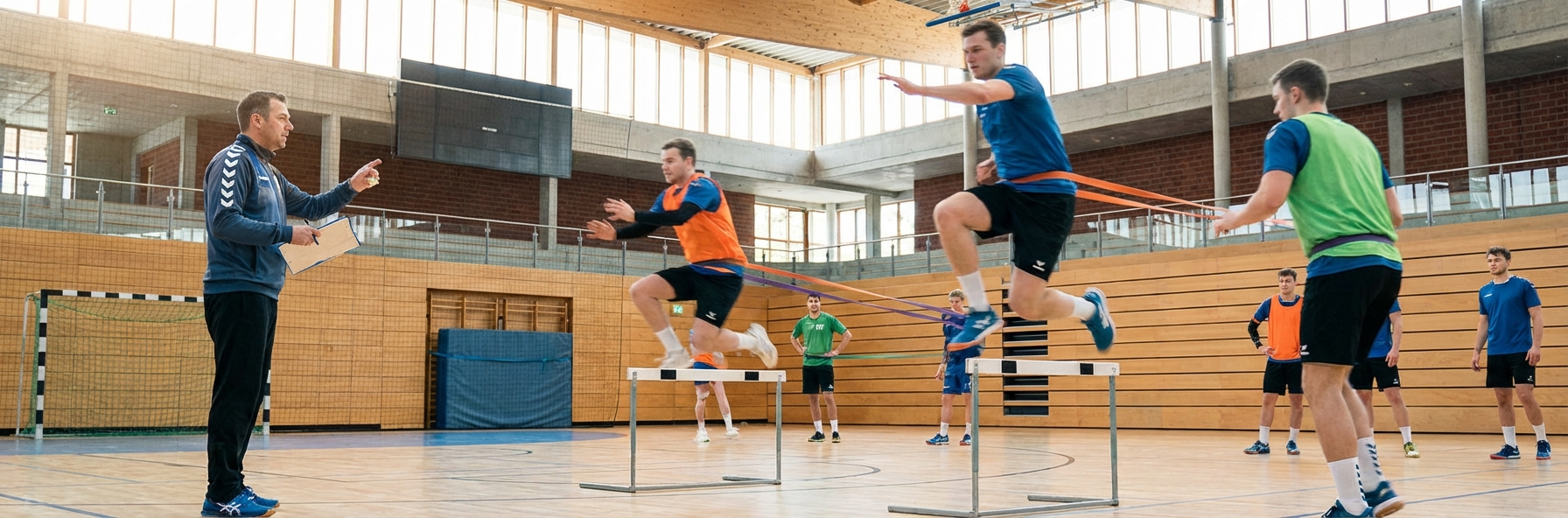
Modern handball requires athletes to be powerful, quick, and durable. The physical demands include explosive jumping for shooting, rapid direction changes in defence, and the strength to absorb and deliver contact. Conditioning programmes must be handball-specific to develop these qualities effectively.
Power Development
Explosive performance foundations:
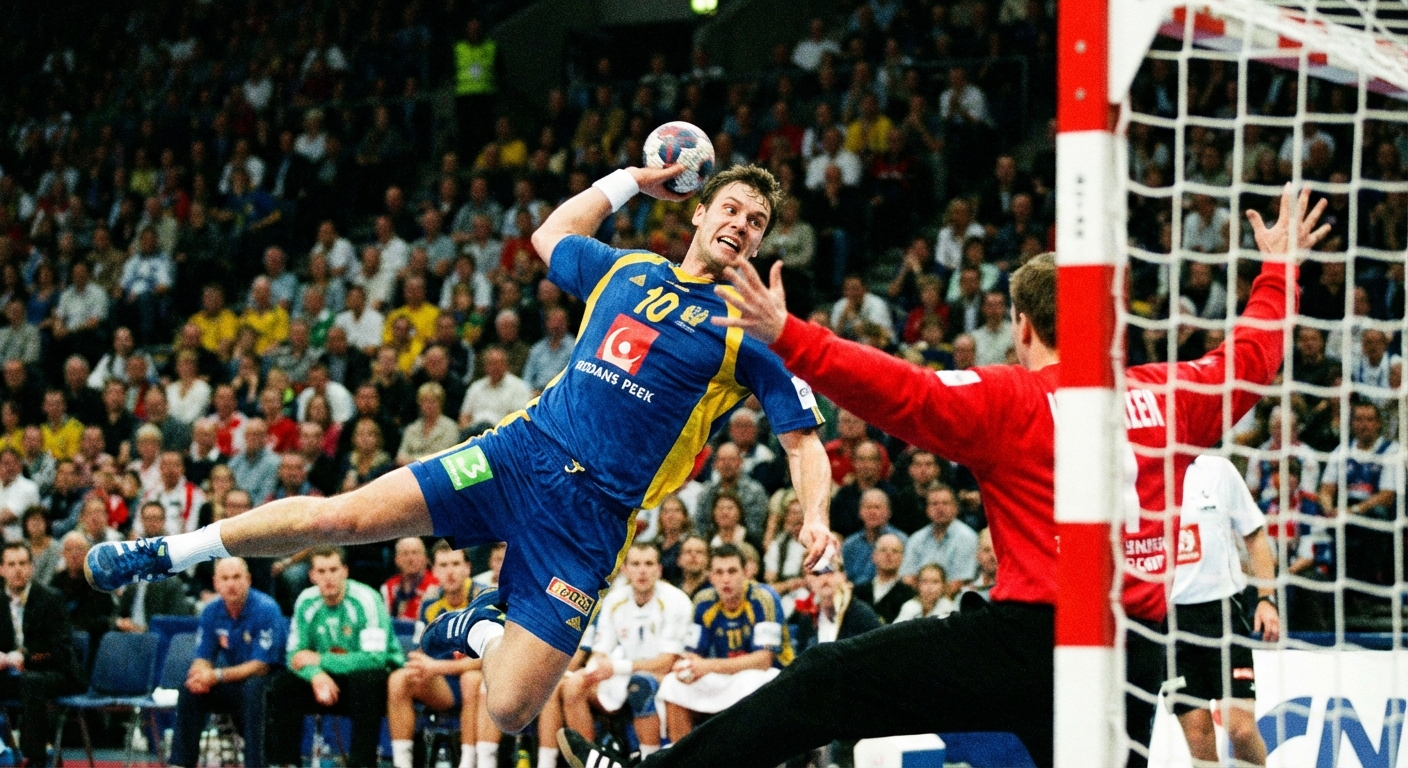
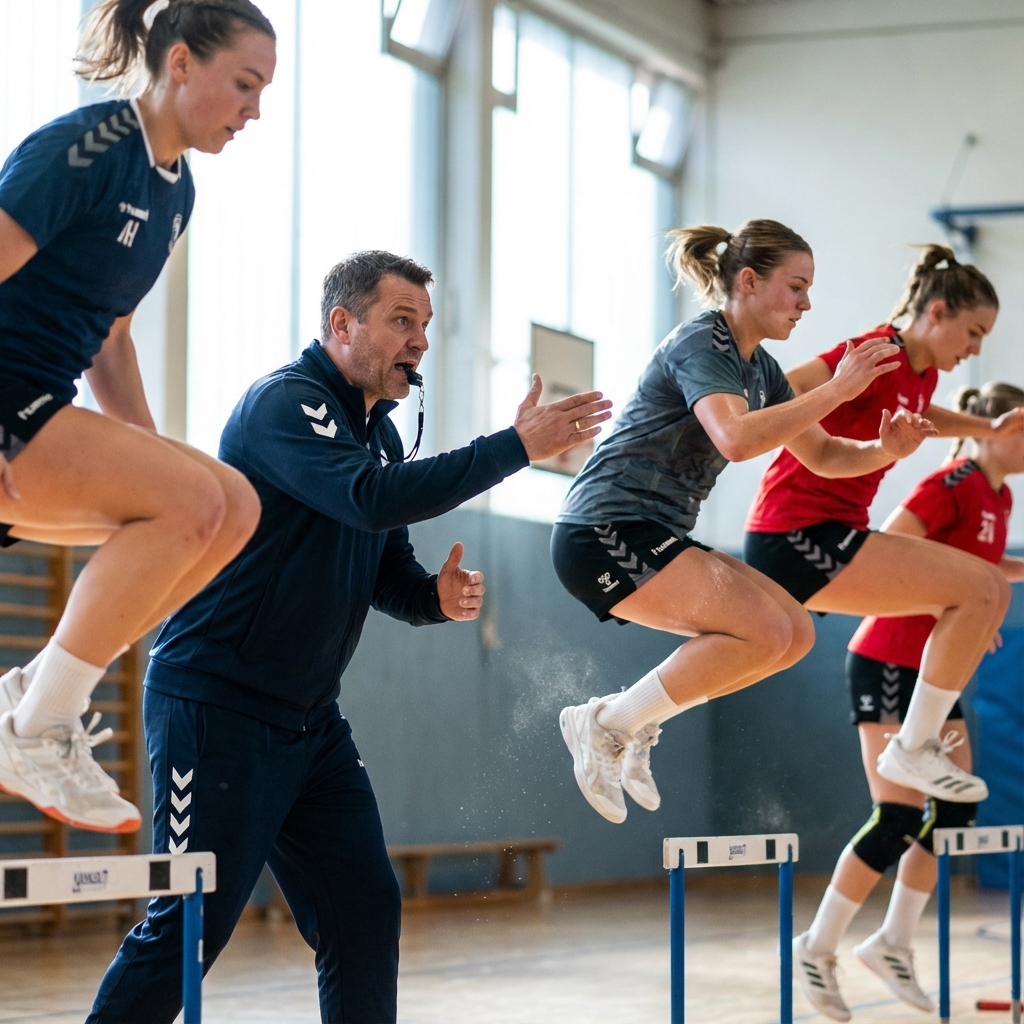
Jump training: Plyometrics develop vertical explosiveness for shooting and blocking.
Throwing power: Medicine ball and resistance training for shot velocity.
First-step speed: Acceleration training for offensive and defensive transitions.
Landing mechanics: Safe deceleration to prevent knee and ankle injuries.
Endurance for Handball
Sustaining performance throughout matches:
Intermittent capacity: Repeated high-intensity efforts with brief recovery.
Active recovery: Maintaining movement quality as fatigue accumulates.
Match simulation: Training at game intensity for appropriate durations.
Tournament readiness: Multiple matches over consecutive days.
Strength Training
Upper body: Shoulder stability and arm strength for throwing and contact.
Core strength: Transfer power from legs to arms, maintain balance under contact.
Lower body: Explosive legs for jumping, cutting, and absorbing contact.
Grip strength: Ball control and secure catching.
Injury Prevention
Shoulder care: Rotator cuff strengthening for throwing demands.
Knee stability: ACL prevention programmes for landing and cutting.
Ankle strength: Proprioception training for court surfaces.
Recovery protocols: Sleep, nutrition, and active recovery between sessions.
Key Coaching Points
- Conditioning must be handball-specific, not generic fitness
- Power development supports all handball actions
- Injury prevention is training, not optional extra work
- Recovery is part of the conditioning programme
- Monitor training load to prevent overtraining