For this drill, you need to set up two rows of 6 cones parallel to each other and a single cone in between the two rows at either end. where possible have the cones that are in the rows all a different colour from the ones that are in between the rows, this is to reduce the chance of confusion on where to dribble. Split the players into 2 groups and have them start with a ball at the start of each row diagonal from each other and have one player on each of the single cones.
Have the players weave through the cones while dribbling the ball. When the player with the ball gets to the end of the cones they need to pass the ball to a player that will be standing on a cone in between the two lines and after they pass, move to replace the player that they passed to. when the player on the single cone receives the ball have them stop it with their foot and then pass it to the next player in line at the starting cone in the opposite row that the ball came from. Then Repeat till everyone is where they started.
This practice has no coaching points
This practice has no progressions
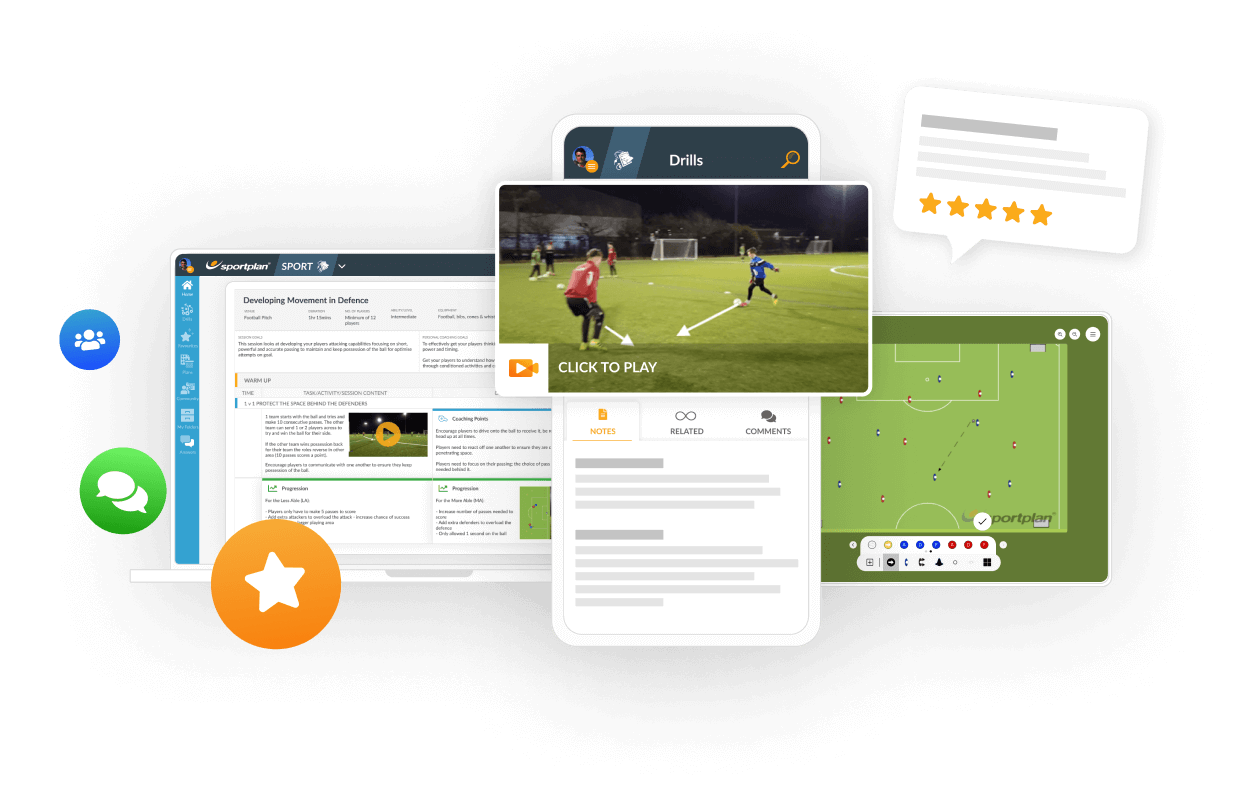
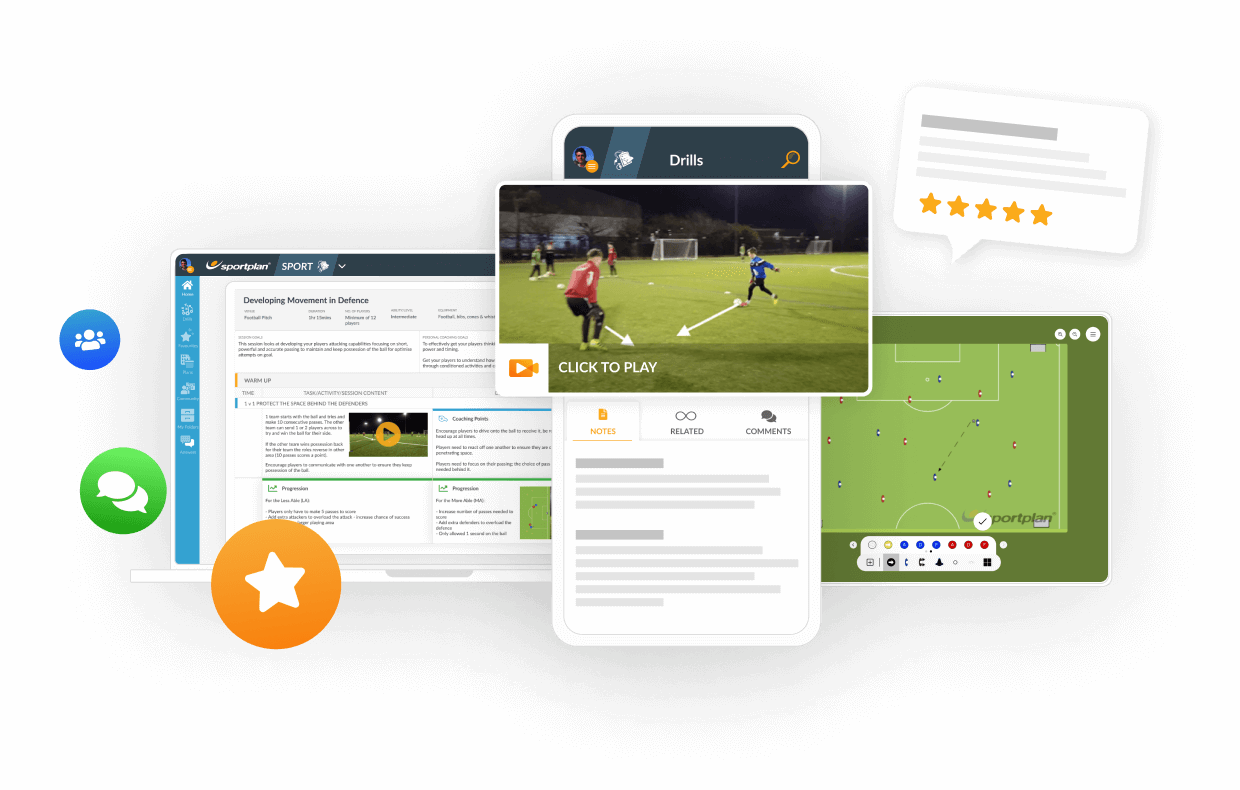
in more ways than one
 sportplan_football

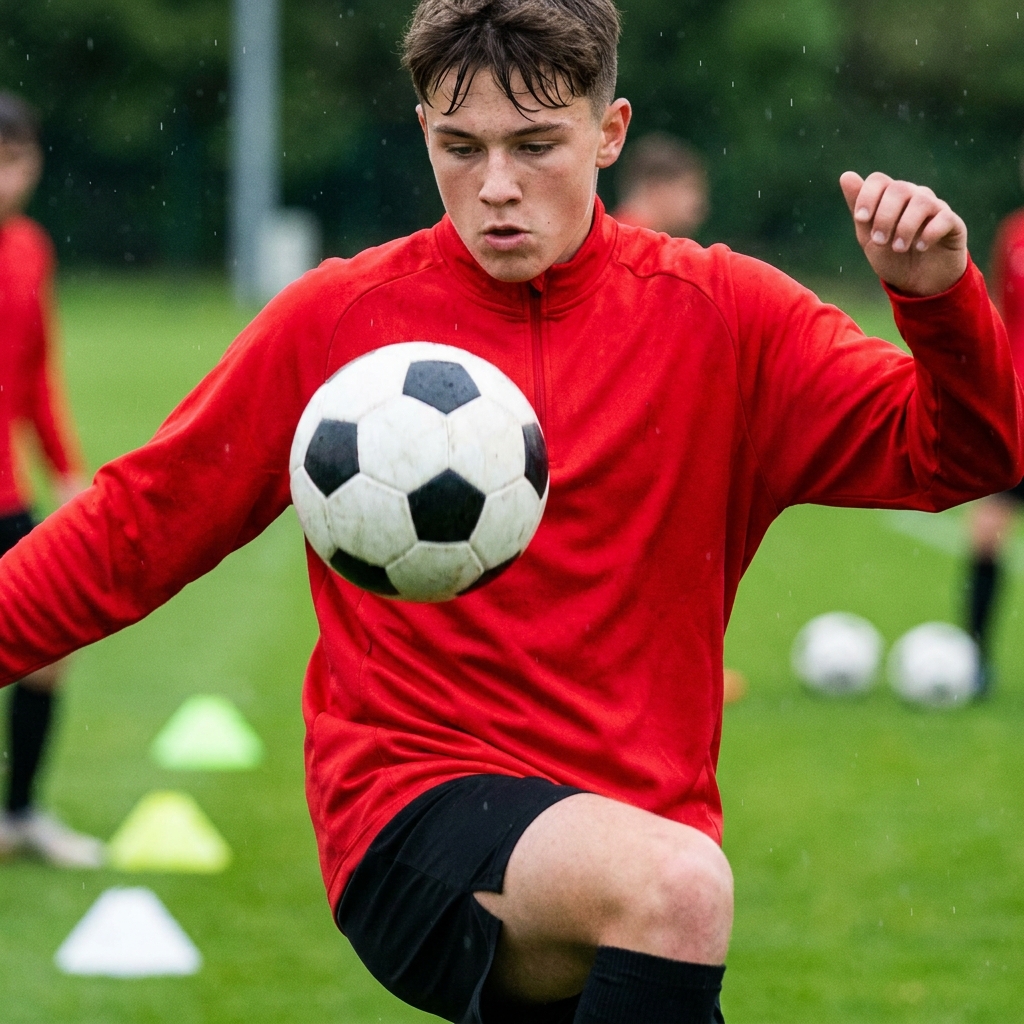
Deliberate heading is now out of U11 grassroots matches. Here is how to coach chest, thigh and foot control so your players still win the ball in the air.
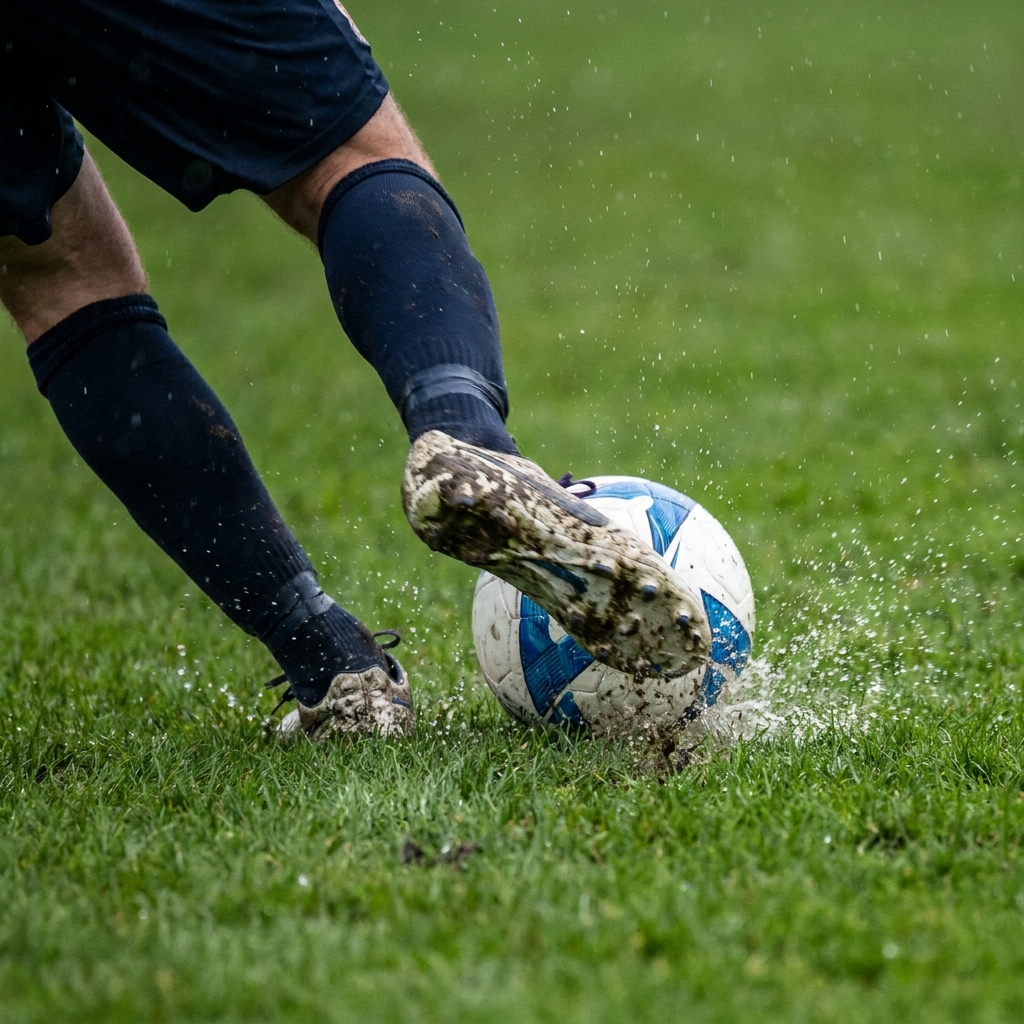
Long-range goals doubled at the 2026 World Cup as teams sat deep. Here is how to coach when to shoot from distance, the technique, and the follow-up.
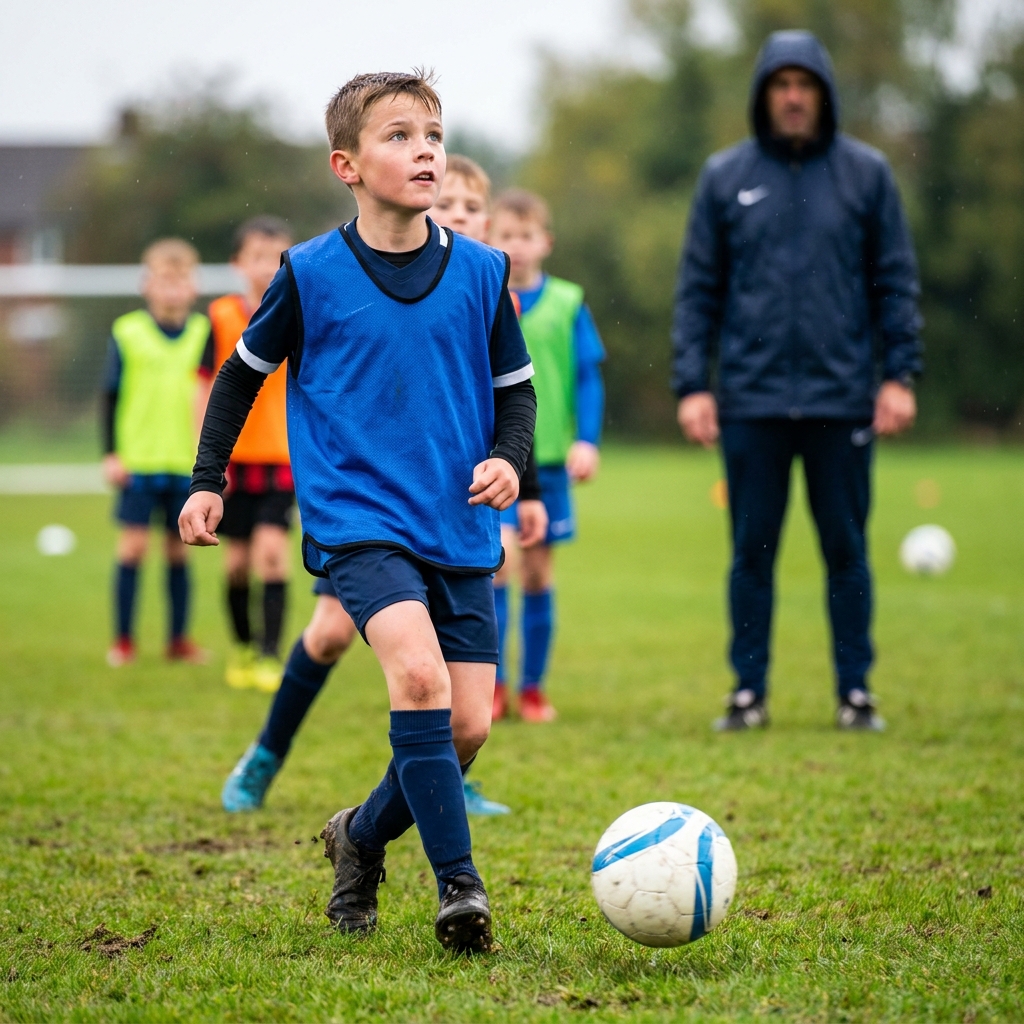
Under FutureFit, your Under-9s stay at 5v5, your Under-11s stay at 7v7 and your Under-13s stay at 9v9. Same pitch, same numbers, one more year. Here is how to make sure that year feels like a step forward rather than a repeat.