Emergency defending practice - focusing on regaining composure to deal with next attack even when tired. One mini goal is defended by a singular defender (red) against continuous attacks by different, physically fresh, players. Blue and yellow cones designate the starting point for each set of attackers. Each set of attackers are in pairs and can consist of any number of pairs on each side. Alternating sides attack the mini goal once the previous attack has ended - when the ball is out of play. This continues for a designated duration (number of attacks or total time). Once complete, the defender is replaced and the process starts again. Defenders keep track of goals PREVENTED as a positive scoring system based on defender success.
Coaches can spend time with the attackers to encourage them to think of different ways to challenge the defender, but at least one coach MUST be behind the goal with the next defenders encouraging them to positively support and offer advice to their team mate defending. Variations: Add attackers and defenders (maintaining an attacking overload) to change the challenge type to less about emergency and more focused on zonal cover. This can be scaled up to a match scenario - using the penalty area and a defending unit - such as GK, back 4 and holding midfielder - against waves of attacking groups or overloads to encourage teamwork and structrual play
This practice has no coaching points
This practice has no progressions
in more ways than one
 sportplan_football


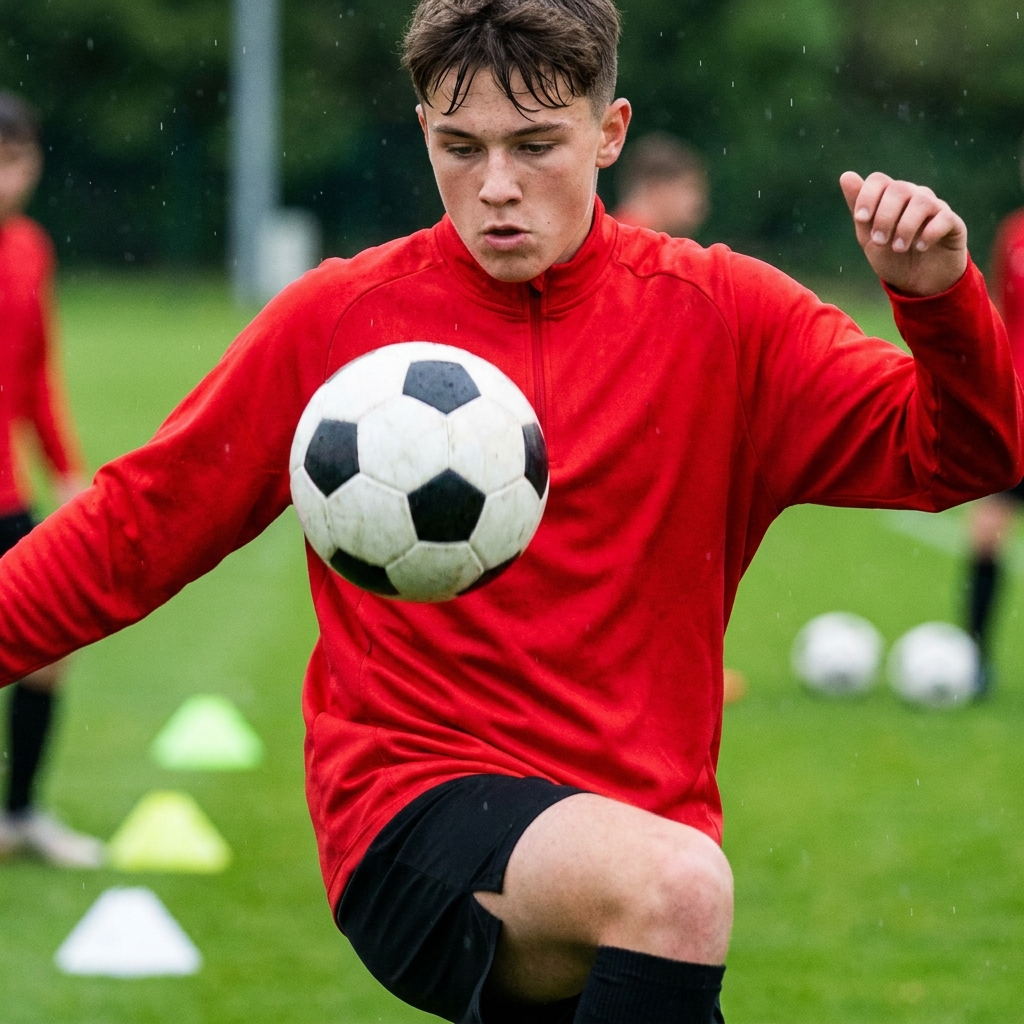
Deliberate heading is now out of U11 grassroots matches. Here is how to coach chest, thigh and foot control so your players still win the ball in the air.
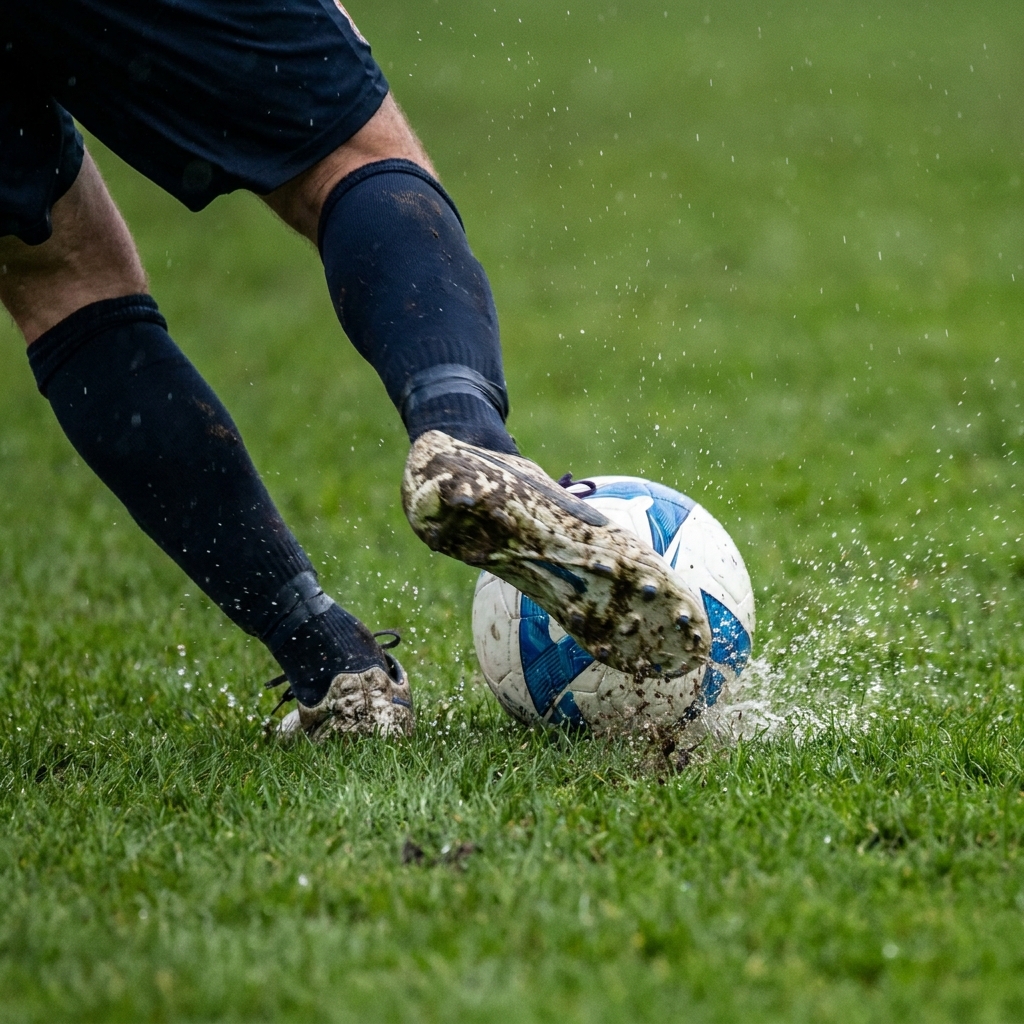
Long-range goals doubled at the 2026 World Cup as teams sat deep. Here is how to coach when to shoot from distance, the technique, and the follow-up.
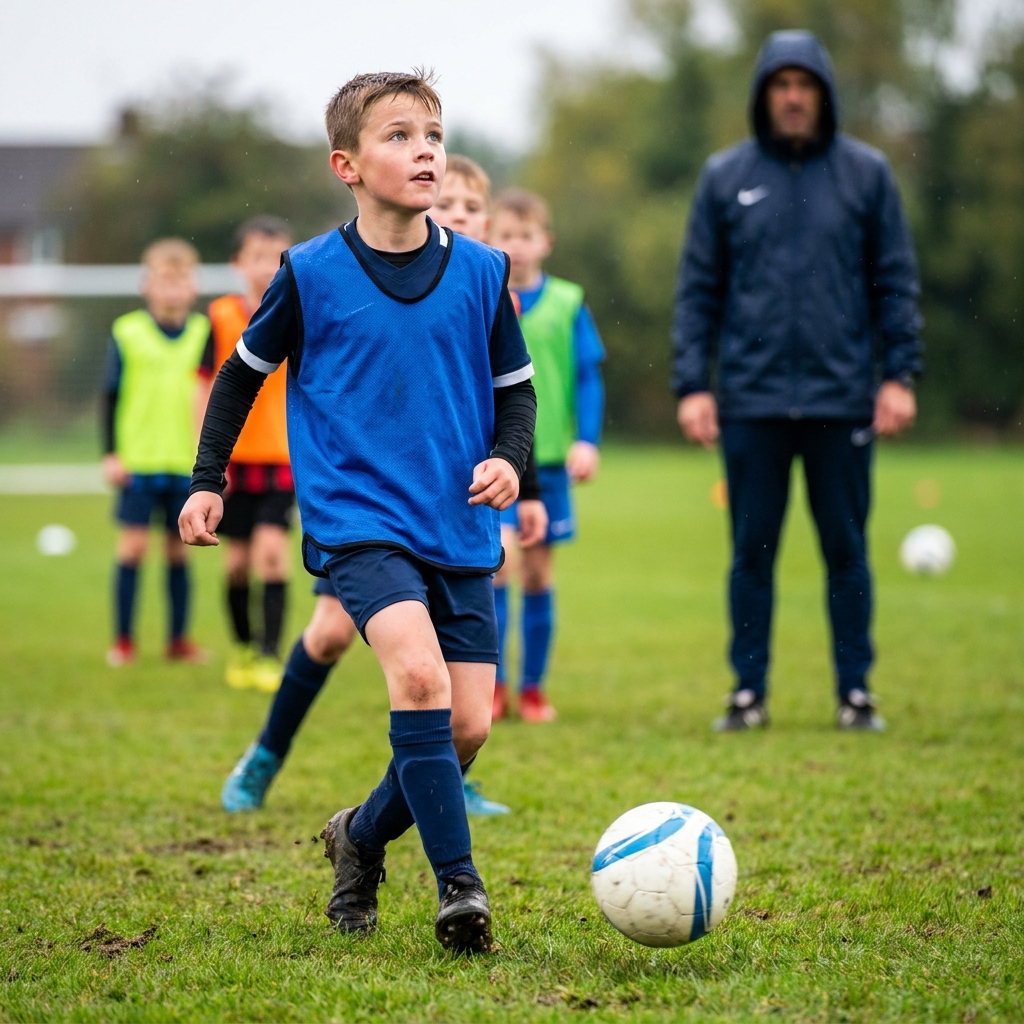
Under FutureFit, your Under-9s stay at 5v5, your Under-11s stay at 7v7 and your Under-13s stay at 9v9. Same pitch, same numbers, one more year. Here is how to make sure that year feels like a step forward rather than a repeat.