Divide players into three groups. Each group will form a line behind the starting point with a ball and a designated path of markers (zigzag or straight line). At the front of each group, two players will begin as a pair. They will pass the ball back and forth as they move together through the markers. Once they reach the end of the course, theyâll find a manila paper with flap-covered emojis. The pair will: Lift one flap to reveal a hidden emoji face (e.g., sad, embarrassed, proud, afraid). Write the name of the emotion portrayed on the paper below the emoji. After writing, the pair runs back and taps the hand of the next pair, who repeats the same challengeâuncovering a different emoji. Each player should complete the challenge at least twice, and with a different partner each time.
What did you observe about the emotions you revealed? Emotions like sadness, fear, confusion, or embarrassment are often invisible on the surfaceâbut theyâre real. Our face and body sometimes show what our words canât. Thatâs why learning to recognize emotions is importantânot just in ourselves, but in others too. Why is it important to name and understand these emotionsâespecially when they come from hurtful situations? When someone is constantly made to feel worthless, scared, ignored, or ashamed through words or actions, thatâs called emotional abuse. It doesn't leave a bruise, but it can deeply hurt a child's mental and emotional well-being. Emotional abuse includes things like: Being yelled at or belittled Being told youâre not good enough Being ignored or excluded on purpose Having your feelings mocked or dismissed These actions can cause toxic stress, making a child feel unsafe, unloved, and even begin to believe those hurtful words are true. What does it mean to create emotional safetyâand how can we help others feel it? Emotional safety means feeling like you can express yourself without being judged, insulted, or shut down. Itâs about feeling heard, respected, and protectedânot just physically, but inside too. When we listen, validate someoneâs feelings, and speak with kindness, we help them feel emotionally safe. And if we notice someone being emotionally hurt again and again, itâs okay to speak up or ask for help from a trusted adult.
This practice has no coaching points
This practice has no progressions

in more ways than one
 sportplan_football


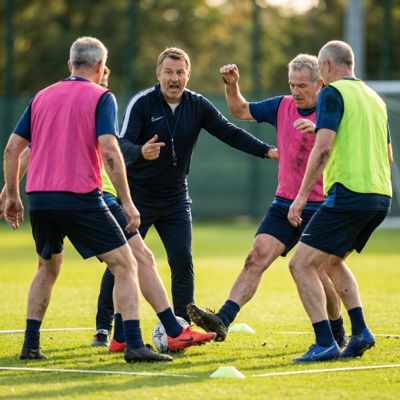
Possession without purpose is pointless. These drills combine ball retention with physical conditioning to create teams that dominate and outlast opponents.

Teams have just 6 seconds to exploit a turnover before defences reorganise. Learn how to train your players to attack with speed and purpose.
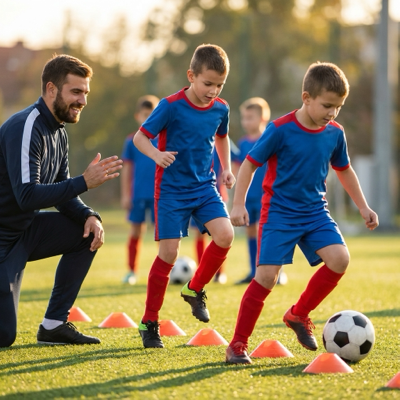
The U10 age group is the golden window for developing ball mastery. Miss it, and you're playing catch-up forever. Here's how to get it right.