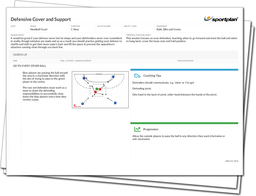
Simply placing everyone behind the ball, between the 6 and 9 meter line, in your team's half isn't enough to stop a skilled opposition from scoring though - your players will have to communicate, move as a unit and be spatially aware to squeeze out the space, block the gaps and neutralize the attacking threat!
To make your players a defensive force to be reckoned with this week's session looks at getting your defence to work together in the 6-0 formation, otherwise known as the flat defence, defending zonally, to shift across the court and follow the ball until your team has won possession again and can mount their own attack!
Staring with a Two man shut out defensive drill your players will then move onto a three versus three and then later a four versus four, before being given the chance to put their defensive skills to the test, playing in a full court game - Will your team build a solid wall to bounce back the attack or will they crumble under the pressure?
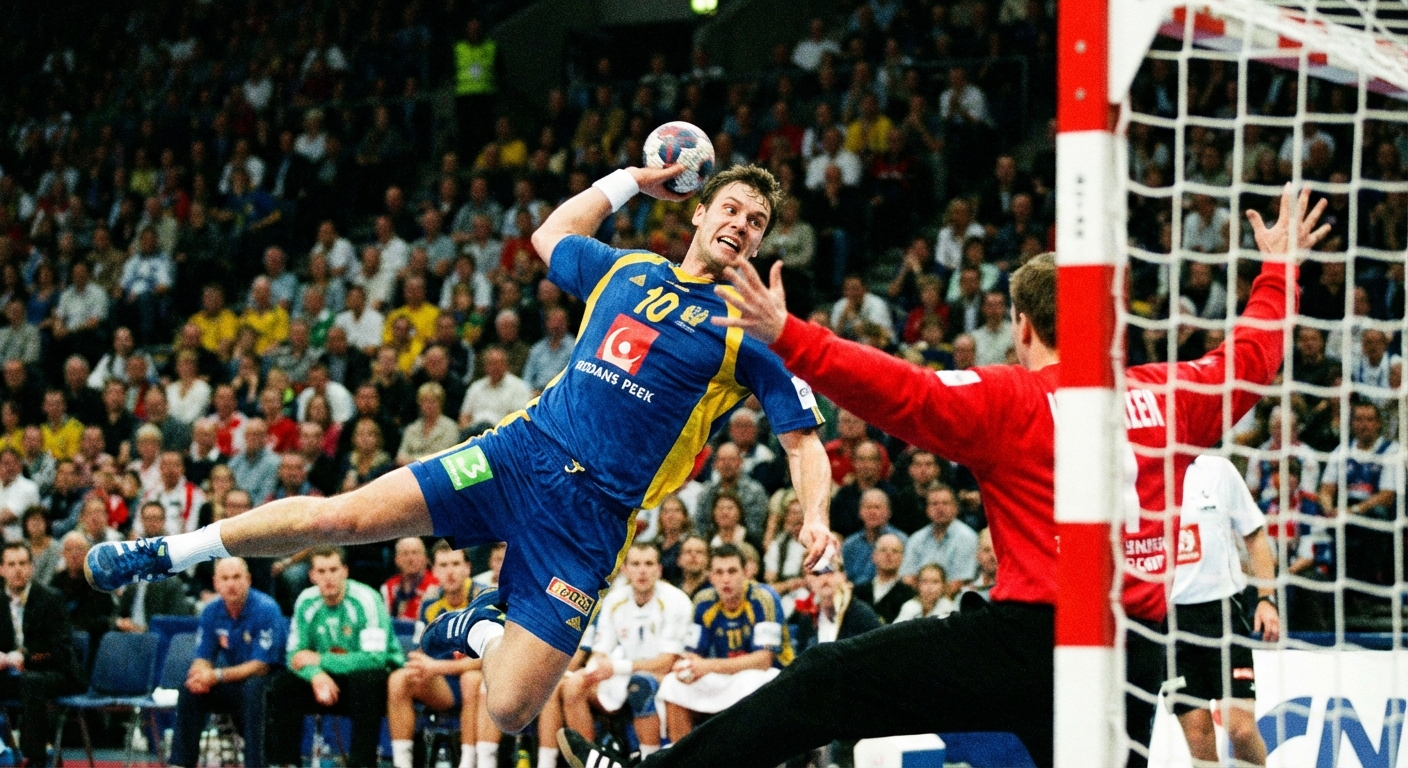
Wing players operate in the most demanding shooting position on a handball court, where acute angles and a close goalkeeper make finishing a specialist skill. This article breaks down the technique, decision-making, and training progressions that coaches need to develop elite wing finishing.
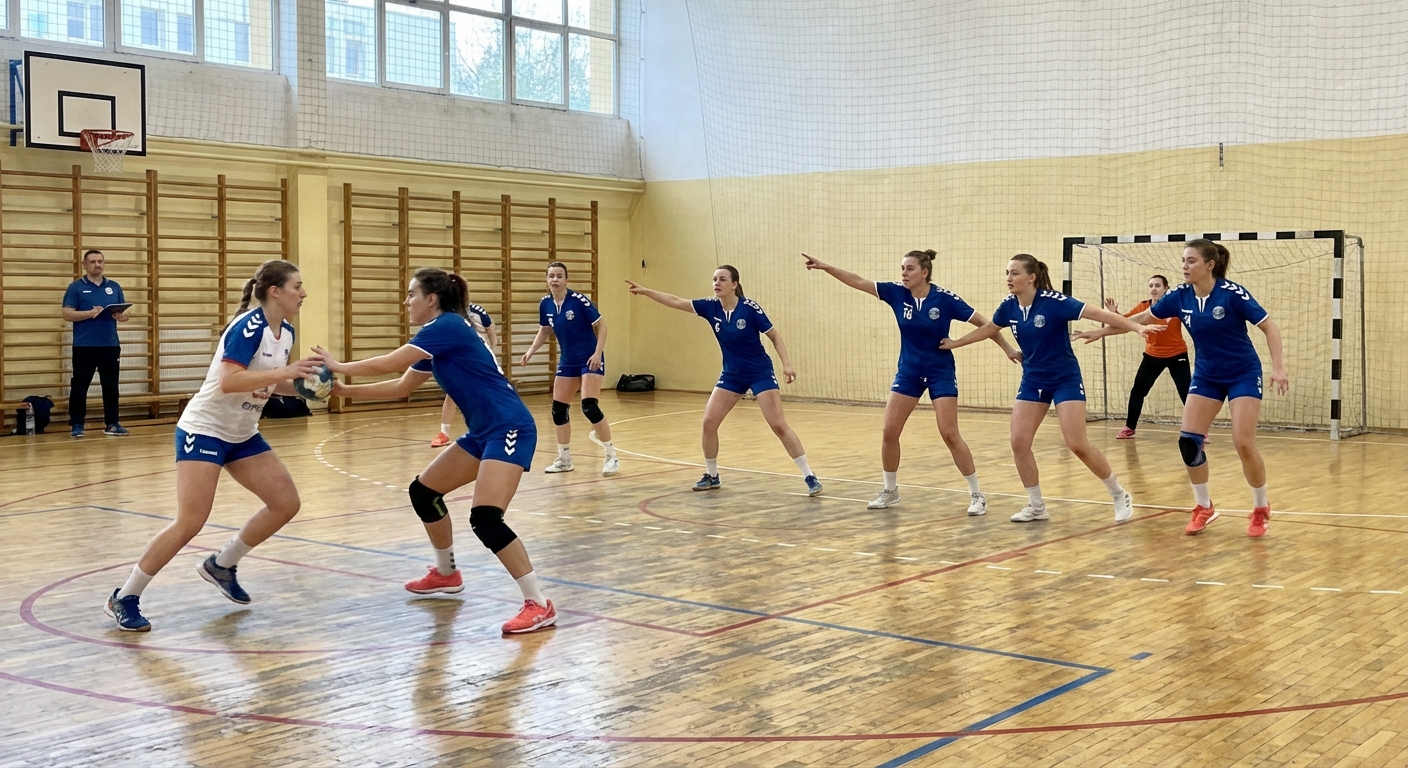
The transition from attack to defence is the most vulnerable moment in handball. This article examines the 3-second recovery principle, the specific roles players must adopt during transition, and the training scenarios that build a team's ability to recover defensive shape under pressure.
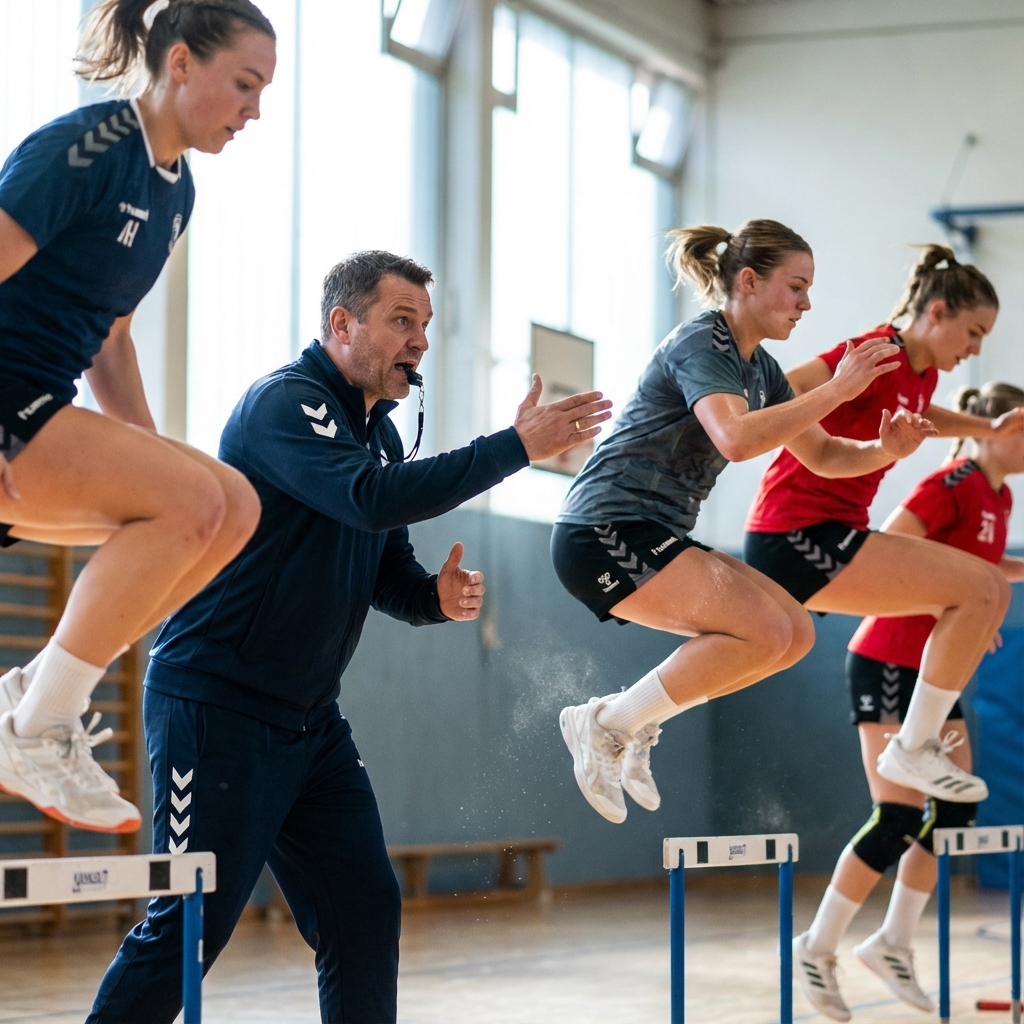
Handball demands explosive power, repeated sprint ability, and the strength to compete physically for 60 minutes. Sport-specific conditioning develops the athletic qualities that underpin elite performance.


Register for FREE and get coaching tips, top drills, session and more every week!