Defending in a 1v1 is not an easy skill, even seasoned players can sometimes be caught out. So how do you get your defenders over their fears and get them used to physical contact?
This week's session aims to help you answer this coaching conundrum by introducing your players to the more physical side of the game. Through use of progressive drills and blocking exercises, whilst also recapping the technical aspects, you can get players of all ages and abilities improving their willingness to contest the ball and stand up to the opposition!
What's in the Session?
To get your players in the blocking zone we start with a confidence building pairs-blocking-drill. By getting players to work together not only do you build blocking confidence but you'll also be promoting team-work at the back - teaching your players how to defend and block to keep out the attack!
Final thought:
If your team are continually leaking goals no matter how well you attack, your team will always struggle to win matches - especially in the final quarter when your players are tired!
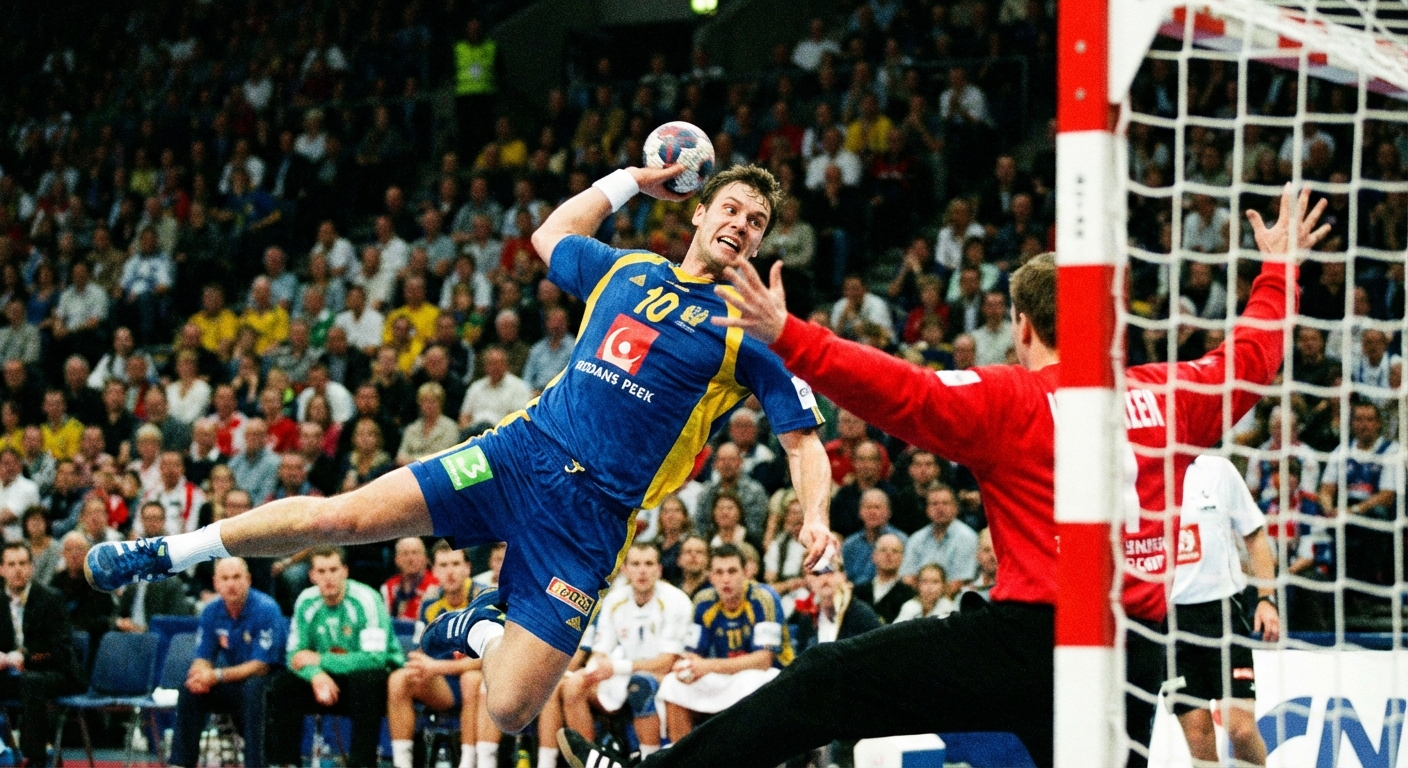
Wing players operate in the most demanding shooting position on a handball court, where acute angles and a close goalkeeper make finishing a specialist skill. This article breaks down the technique, decision-making, and training progressions that coaches need to develop elite wing finishing.
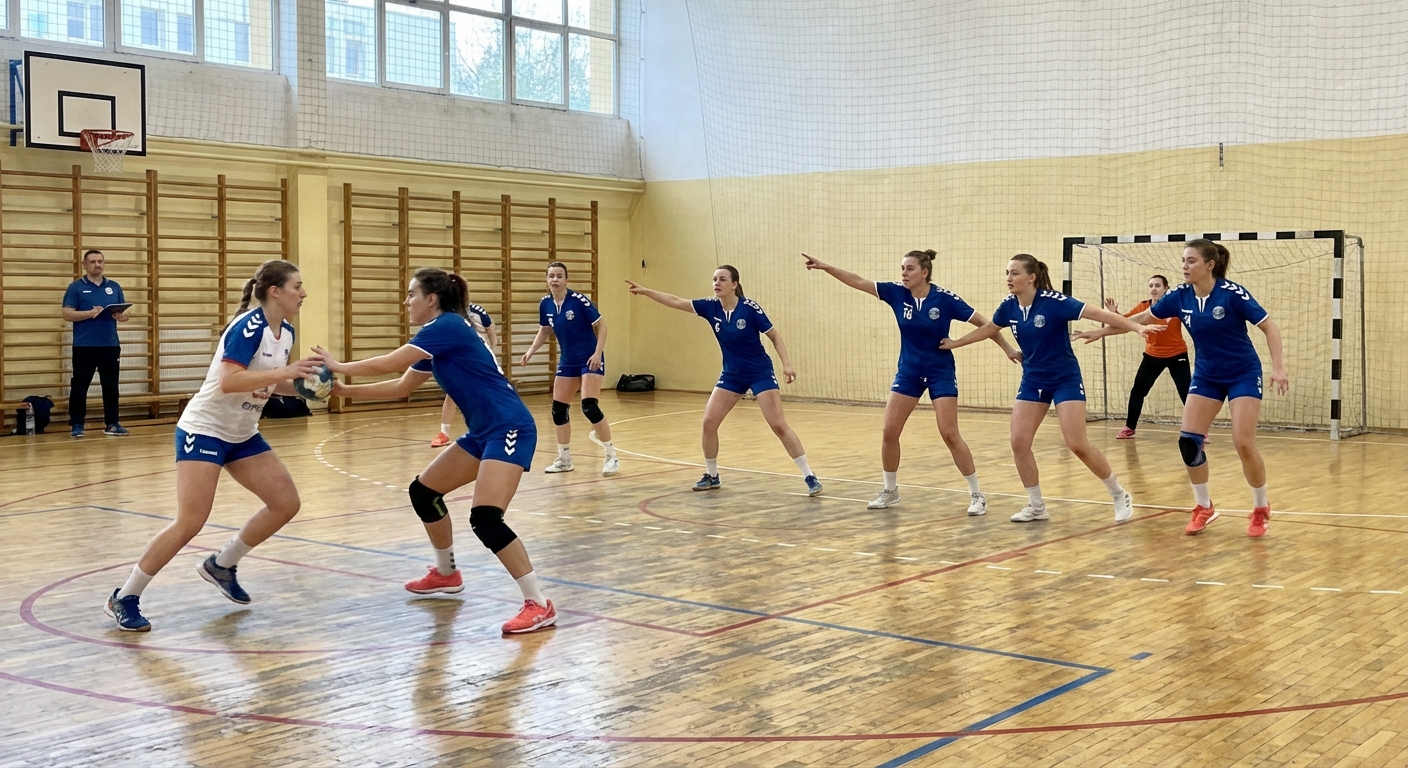
The transition from attack to defence is the most vulnerable moment in handball. This article examines the 3-second recovery principle, the specific roles players must adopt during transition, and the training scenarios that build a team's ability to recover defensive shape under pressure.
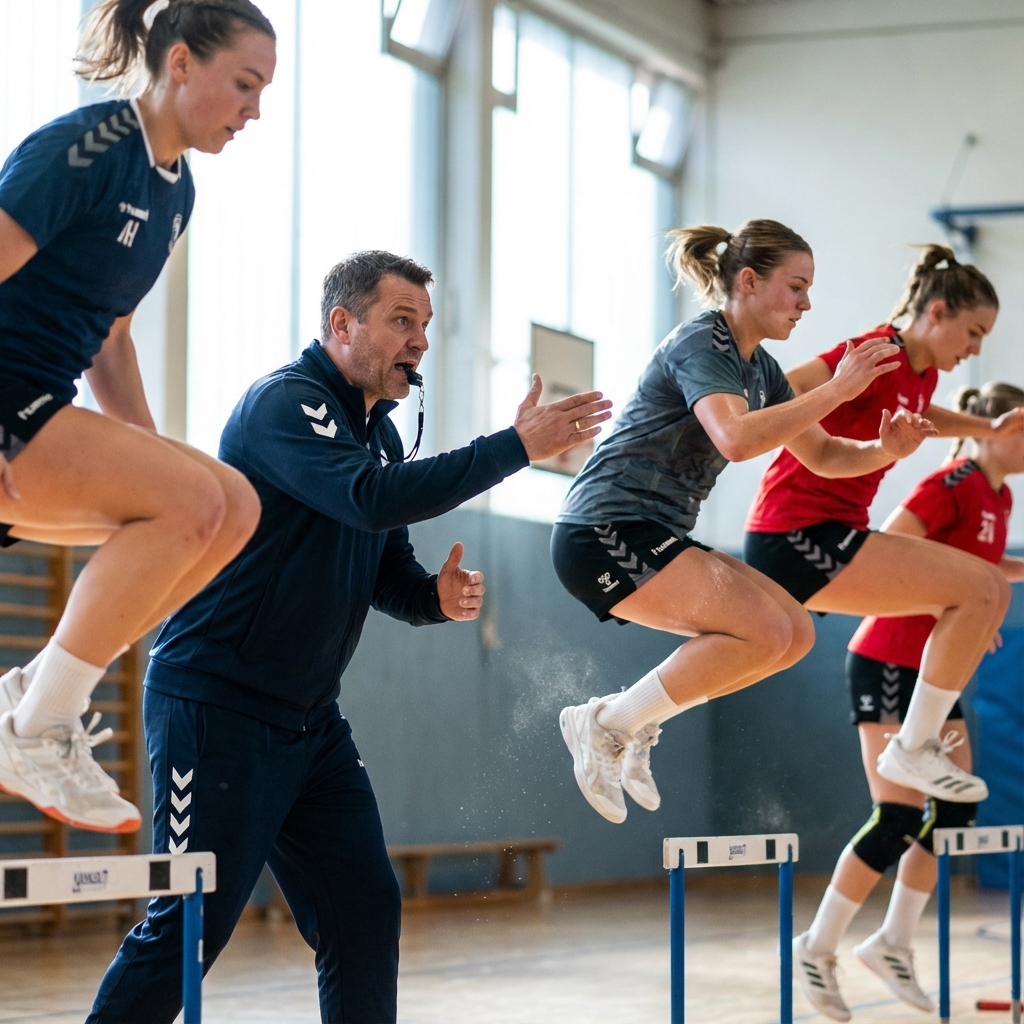
Handball demands explosive power, repeated sprint ability, and the strength to compete physically for 60 minutes. Sport-specific conditioning develops the athletic qualities that underpin elite performance.


Register for FREE and get coaching tips, top drills, session and more every week!