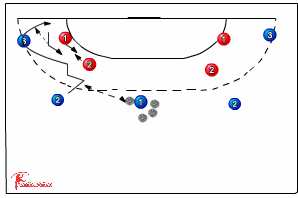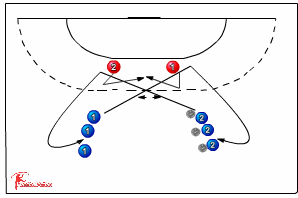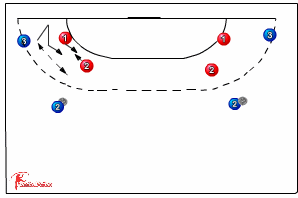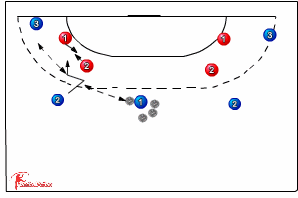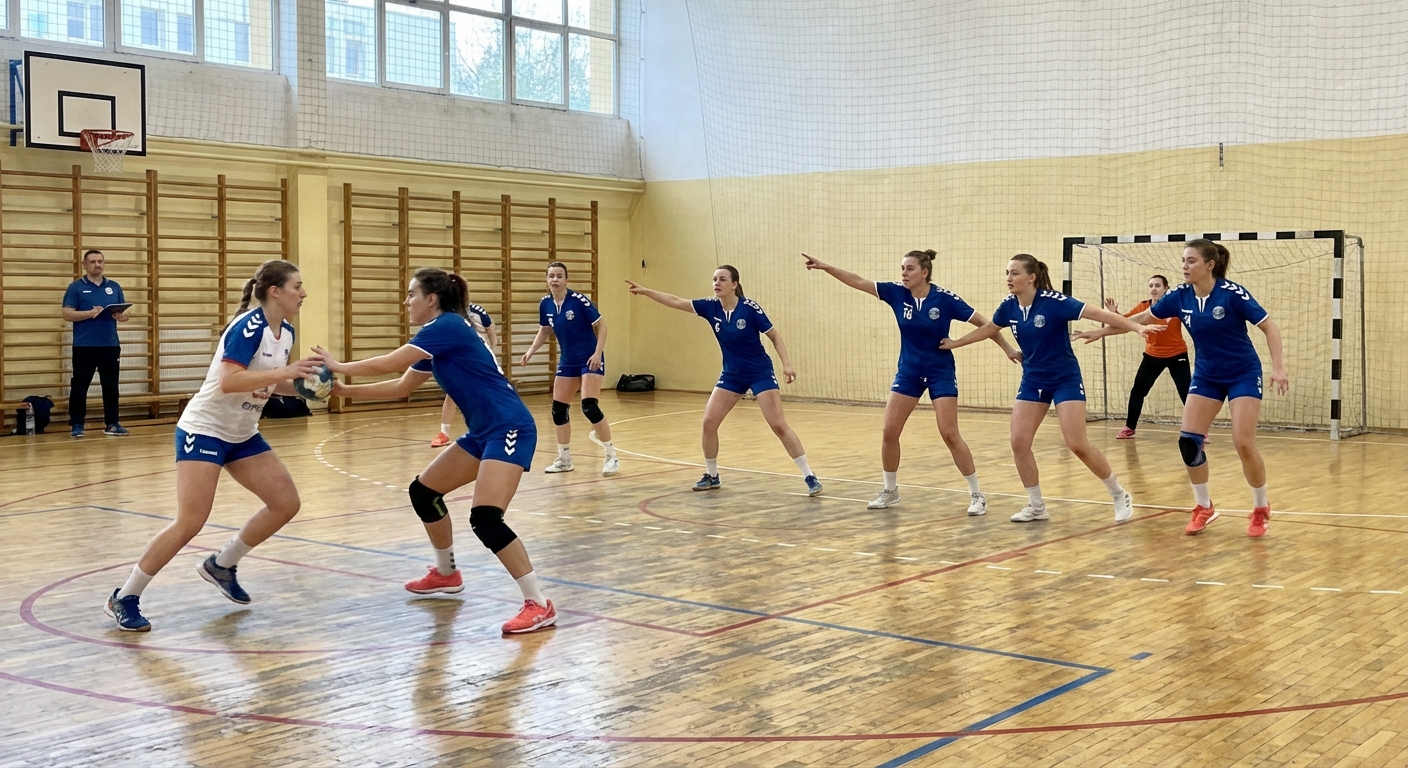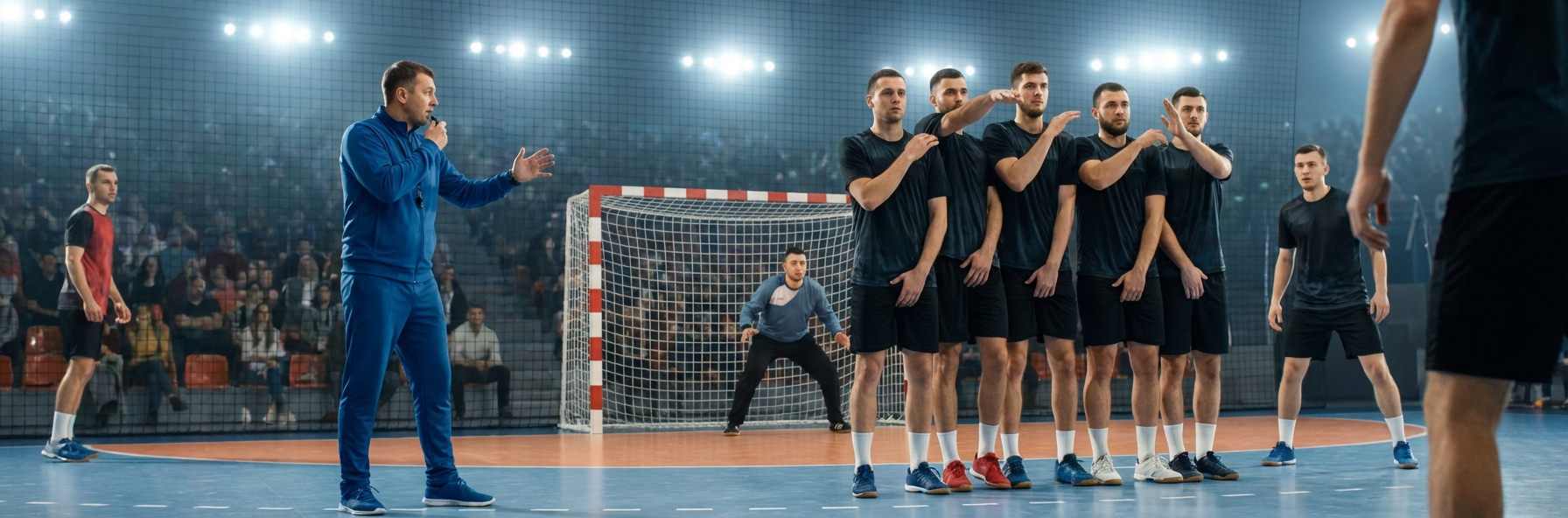
The 6:0 defensive formation is the most commonly used system in handball at all levels. Its strength lies in compactness and organisation, protecting the goal area while challenging attackers to find gaps in a disciplined defensive wall. Understanding its principles is essential for both coaches and players.
Core Principles
The foundation of 6:0 defence:
Line integrity: All defenders maintain position on the 6-metre line.
Lateral movement: Shift as a unit following ball movement.
Gap control: Close spaces between defenders as attackers probe.
Communication: Constant verbal coordination between defenders.
Individual Defender Responsibilities
Wing defenders: Cover the wings and prevent easy angles for wing shooters.
Half defenders: Control the backcourt shooters, the most dangerous attackers.
Centre defenders: Protect the middle and block the line player.
Switching: Seamlessly exchange defensive assignments as attacks develop.
Defending Against Specific Attacks
Screening: Fight through or switch around offensive screens.
Crossing plays: Maintain assignment discipline during cross movements.
Line player threats: Block passing lanes while maintaining court position.
Long-range shooters: Step out to pressure backcourt shots when appropriate.
Transition from Defence
Anticipation: Read when attack will break down and prepare to counter.
Ball recovery: Aggressive pursuit of loose balls.
Outlet options: Know where fast break teammates will be positioned.
Quick release: Goalkeeper starts fast break immediately after save.
Key Coaching Points
- The 6:0 succeeds through organisation and communication
- Every defender must understand team responsibilities
- Compact shape forces attackers to take low-percentage shots
- Practice defensive transition to capitalise on turnovers
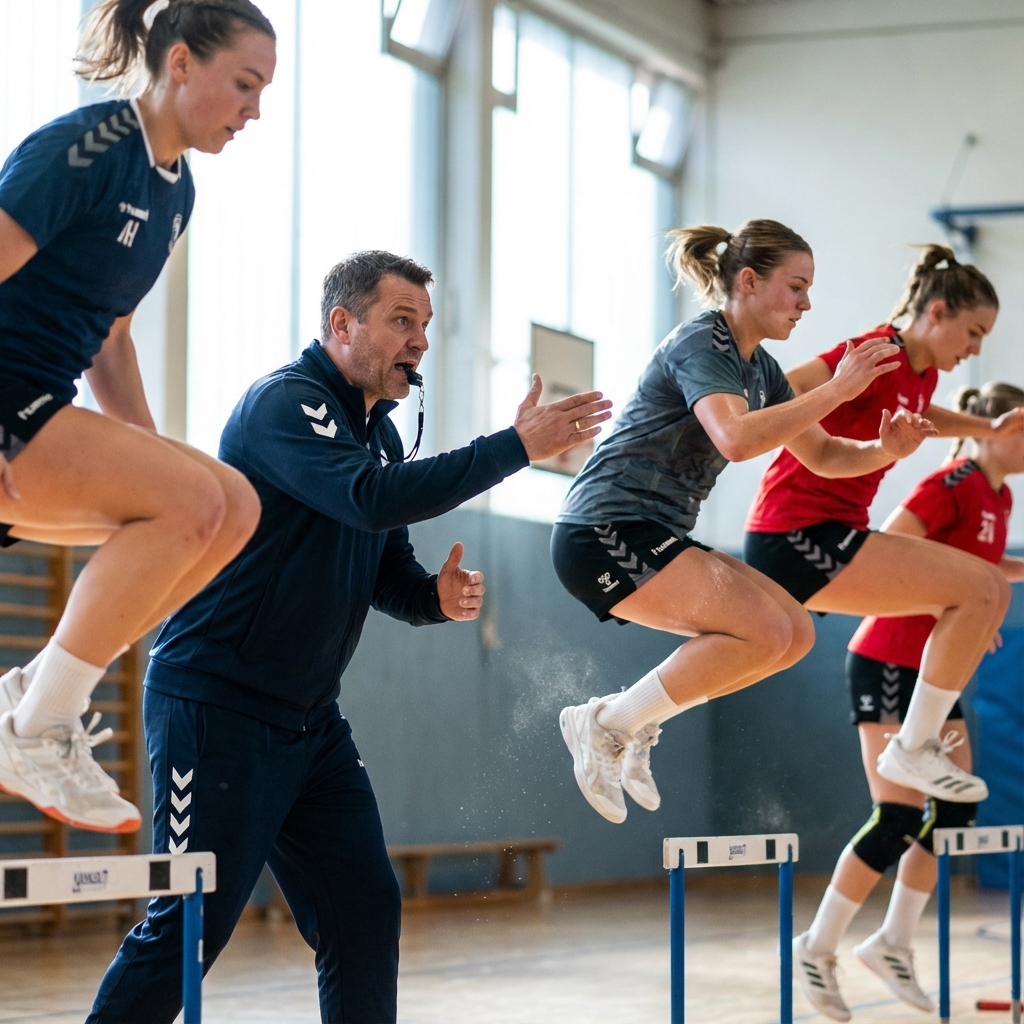
- Physical conditioning supports defensive intensity throughout matches