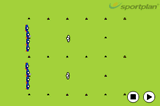
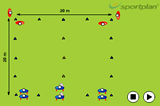
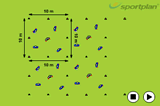
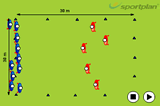
Pitch 20m x 20m. All players wearing tag belts
Start the game with a free pass, defenders must be 7m back at the start
Attacking players must try to run past the defenders to score a try.
If tagged, the attacker must pass the ball backwards to a team-mate. After a tackle, the defenders must give the tag belt back, stay on their own side of the ball and NOT intercept or obstruct the pass.
Refer to the rules of Mini Tag in the Rugby Continuum.
Attackers should be positive and run forward, only passing if they've been tagged or to somebody else who can score more easily.
Support players should stay on their side of the ball.
Defender - keep head and shoulders above the waist. Head up - look at the tag. After the tackle give the tag back.
Key Points:
Try to keep teams to no more than 5 so as to give all the children the opportunity to participate in the game.
If you have more than 10 children, keep teams to minimal numbers and add an extra team of 5 that can be playing one of the above practices whilst waiting to get on.
In effect, a 3 way tournament with the try scoring team staying on to add a competitive element to the game.

in more ways than one
 sportplan_netball


in more ways than one
sportplan_rugby

Tacklers are aiming lower, so carriers who dip late put heads at risk. Teach footwork, a strong early body height and leg drive to win the collision safely.

The hooker's brake foot moved from trial into full law in July 2026. Here is how to coach it so your front row stays stable, legal and safe.

Your players can pass beautifully in a warm-up grid. Then a defender closes, their lungs are burning, and the ball goes to ground. Here is how to build catch-pass skills that hold up when it matters.