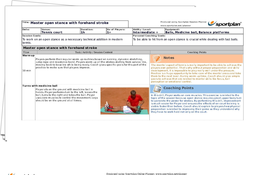
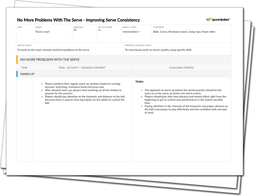
Striking the ball from the non-dominant side of their body, the backhanded shot can be played with two hands, for increased power, or one hand, which lends itself better to slice shots. Working in pairs throughout, one player will focus purely on their backhand shots with the other player feeding the ball back and working on their movement, recovering back to the centre of the T. If you're working with large groups this session can be quickly adapted by substituting both players when the rally breaks down, this will help prevent the drills from losing quality and keep your players alert.
To get the ball rolling (pun intended) this session starts with a sound base of consistency from a cross-court position, getting players to work on their backhand side and progressively introducing a change of direction to the structured drills. This also incorporates a decision making element which will allow more experienced players to learn how to dictate play from the backhand corner, opting for the riskier down the line shot where the court length is shorter and the net is higher.
By the end of this all abilities sessions your players should have greater confidence in their backhand strokes, with more experienced players having better instincts for when to play cross-court and when to smash the aggressive down the line shot.
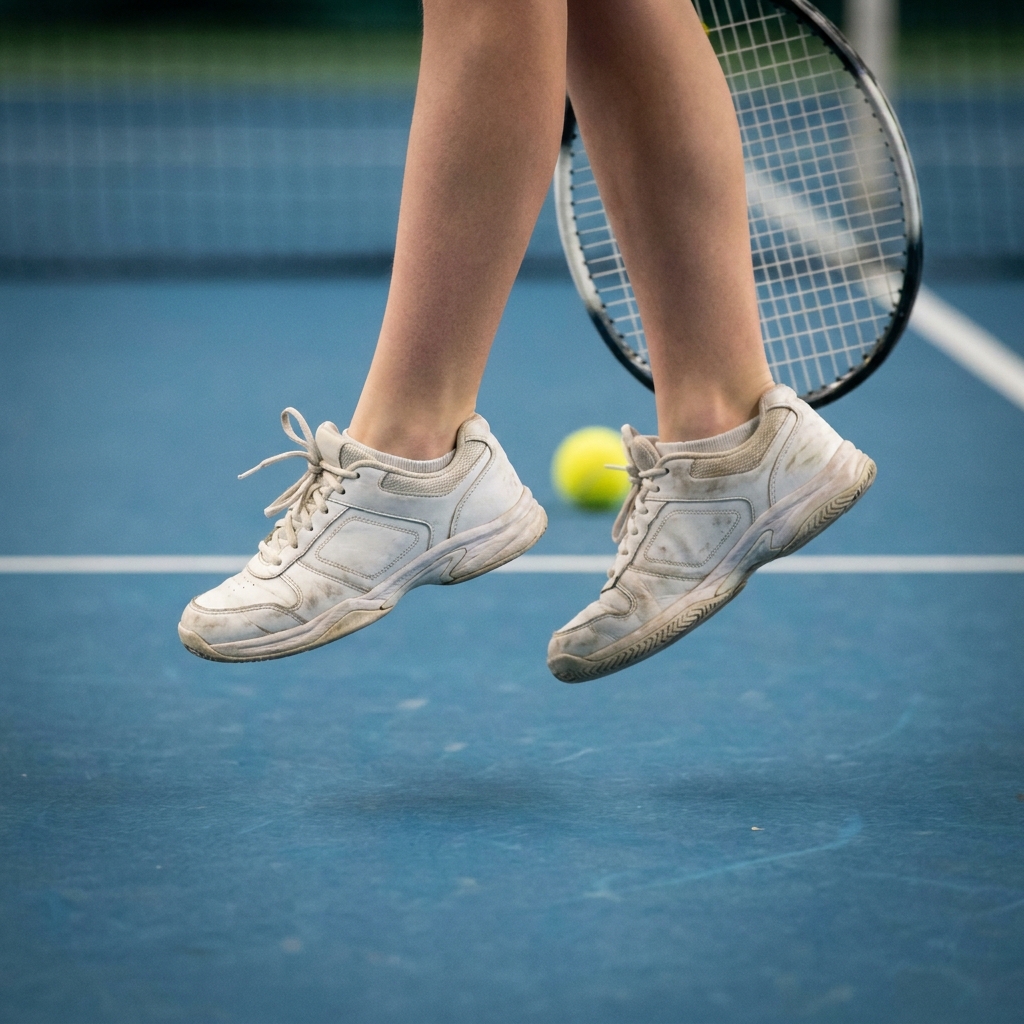
Indoor courts give players less time and less room. Help them sharpen their split step, shorten their swing and stay calm, and winter becomes a season of real progress.
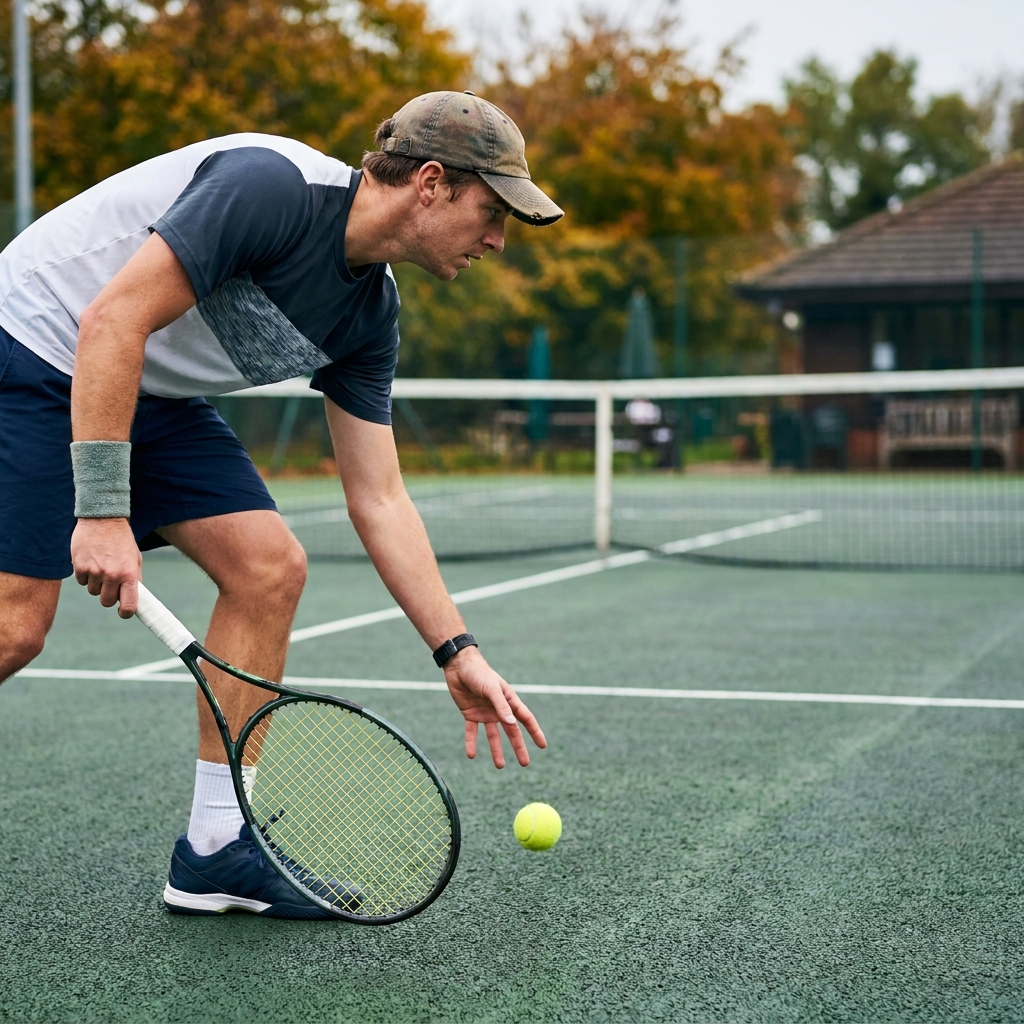
A tiebreak is a short sprint where every point is worth the same as a break of serve. The players who win them are rarely the ones who hit hardest. Here is how to coach the patterns, habits and scoreboard thinking that win the big points.
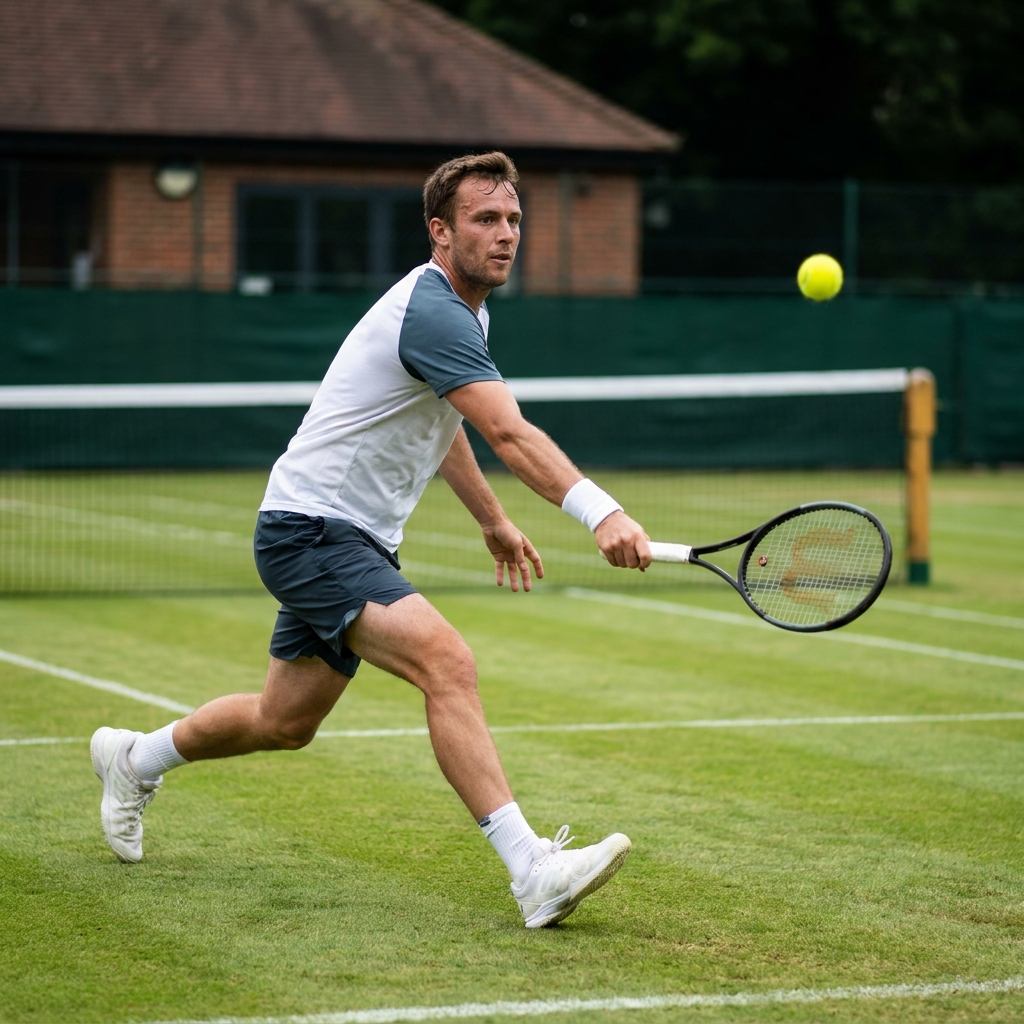
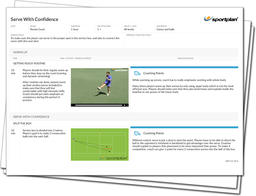
Most club players practise the serve on its own and then have no idea what to do with the ball that comes back. Serve plus one is the pattern that turns a good serve into a won point.


Register for FREE and get coaching tips, top drills, session and more every week!