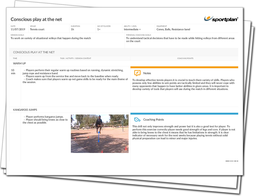
Keep a calm head at the net and play the conscious shot to improve court position or to hit a winner. This session works on depth and control with the volley so that when your players approach the net, they don't just thrash at the ball.
What's in the session?
Begin with kangaroo jumps to get your players warm and to improve their explosive power for when they need to approach the net at speed. The next part of the session gets your players focussing on getting depth on their ball to force the opponent back. Beginners often look for power over placement, when in fact, this session gets them recognising how placement and depth can be more effective than power.
The session continues on to playing specific styles of volley to achieve the right depth. Alternate between half volleys and full volleys to encourage the transition between different shots, not just getting into the habit of one shot. The final part works on the drop volley to win the point form the net but in a different way. Win the point at the front of the court, rather than going deep on it.
Develop your players touch, feel and overall reading of the game to control points and finish them when the chance comes!
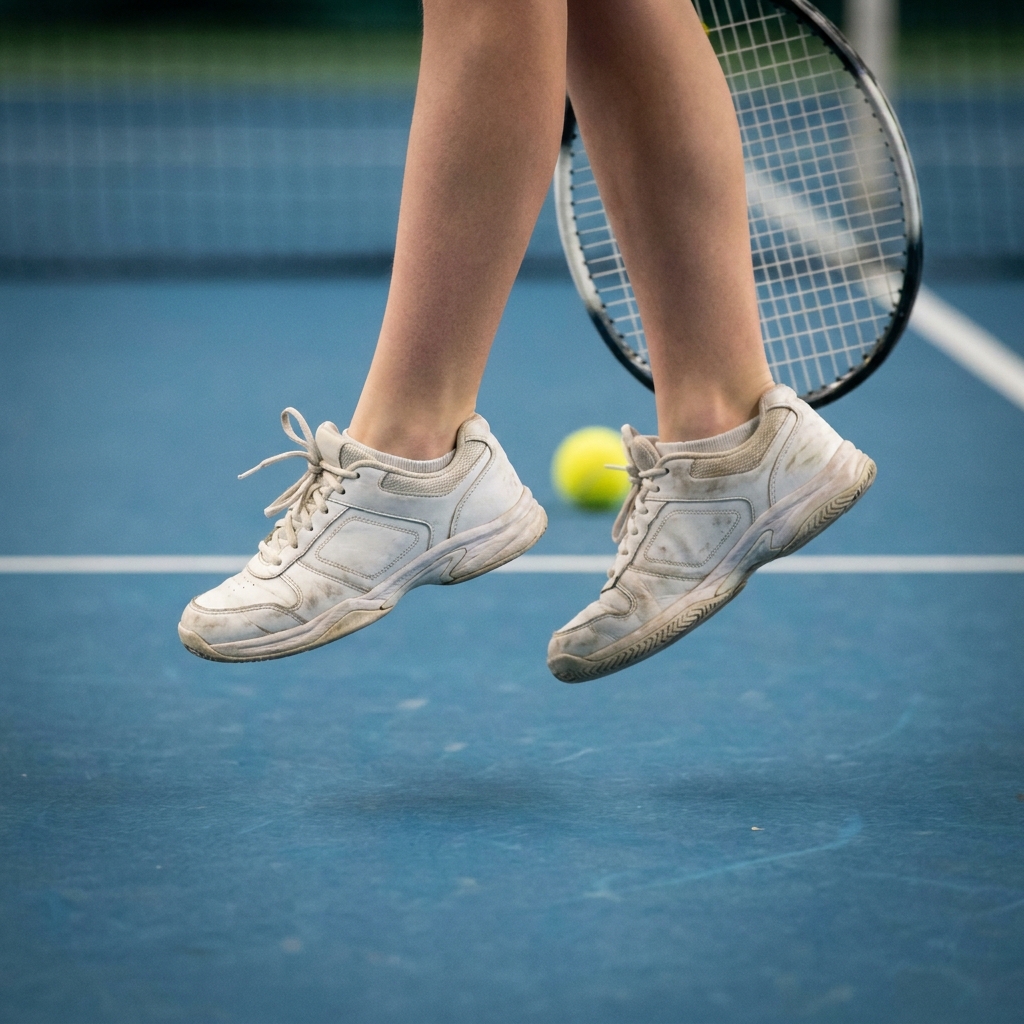
Indoor courts give players less time and less room. Help them sharpen their split step, shorten their swing and stay calm, and winter becomes a season of real progress.

A tiebreak is a short sprint where every point is worth the same as a break of serve. The players who win them are rarely the ones who hit hardest. Here is how to coach the patterns, habits and scoreboard thinking that win the big points.
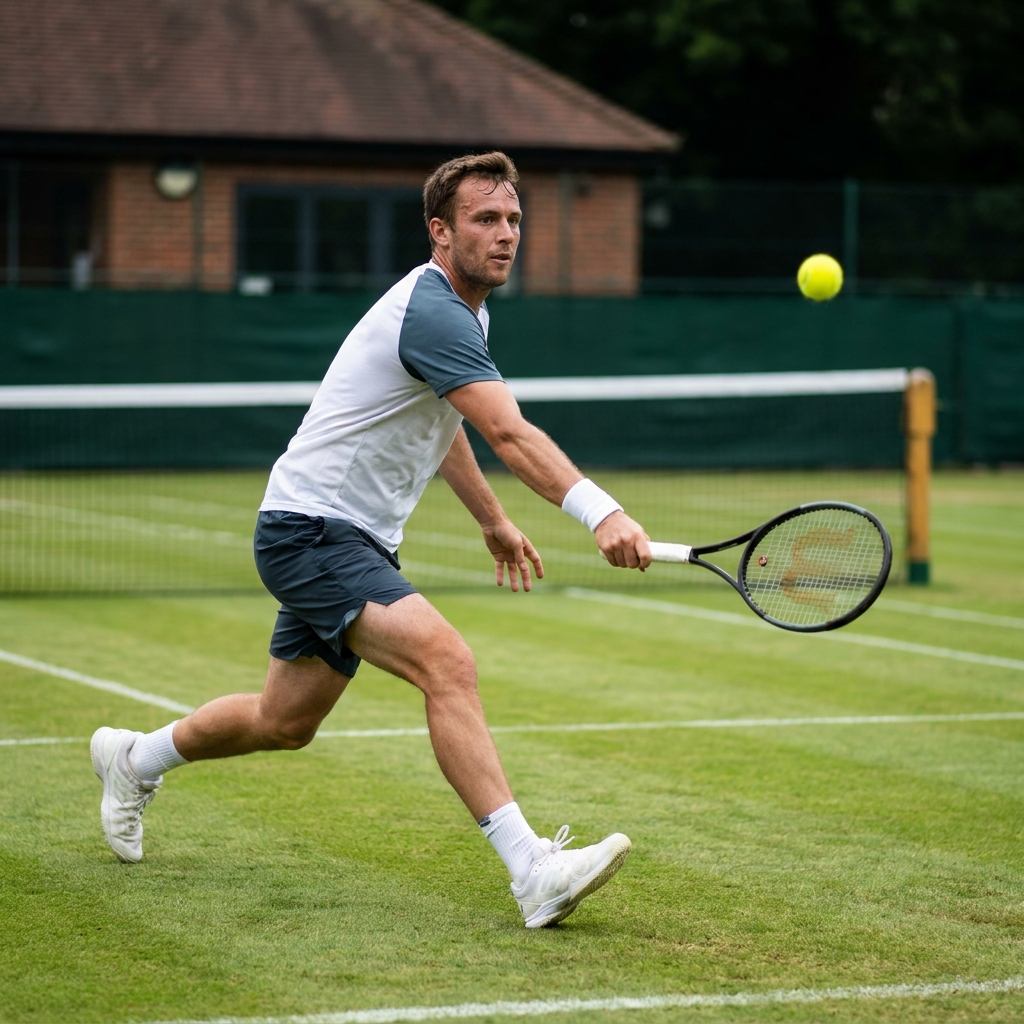
Most club players practise the serve on its own and then have no idea what to do with the ball that comes back. Serve plus one is the pattern that turns a good serve into a won point.


Register for FREE and get coaching tips, top drills, session and more every week!