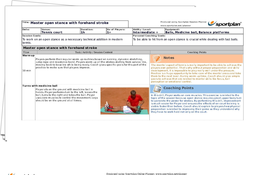
The more diverse skills a player has, the more tactical options they can use against different opponents. Playing on various surfaces as well as against various styles of play, requires a unique plan. With a greater repertoire of abilities, a player has a chance to come up with an effective solution against more challenging opponents.
What's in the Session?
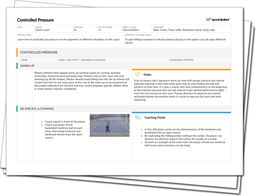
The number one tactical goal for any player should be to move the opponent around as often as possible to make their shot execution more difficult. Additionally, we have to remember that the more an opponent runs, the more tired they will get so making them run for balls will impact on their ability to play effectively in the crucial points and at the end of the game.
There are different ways to put pressure on an opponent and force them to make more mistakes. A player can use power or variety but can also focus on hitting the ball as soon as possible to give minimum time for the opponent to recover after their last shot and react to the next ball. Being aware of this tactical opportunity is a good option to put the opponent under different types of pressure.
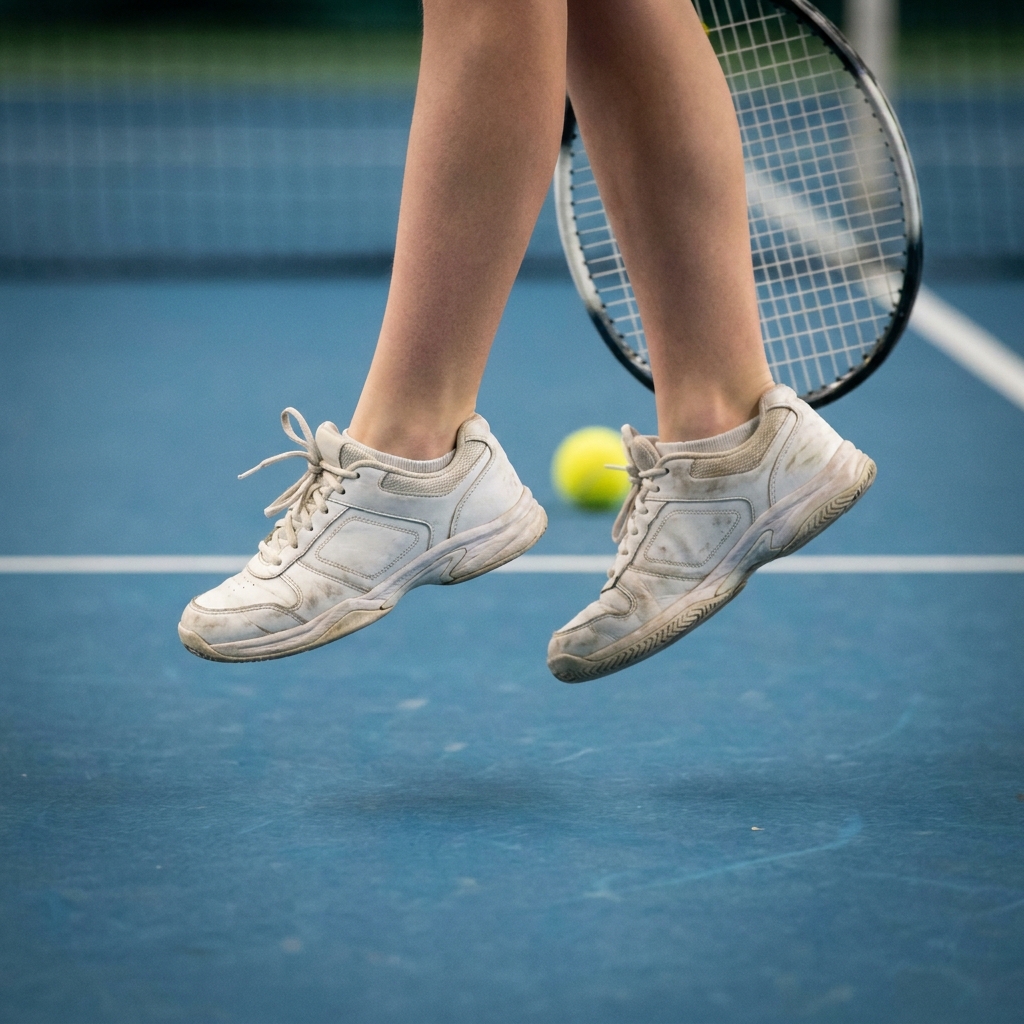
Indoor courts give players less time and less room. Help them sharpen their split step, shorten their swing and stay calm, and winter becomes a season of real progress.
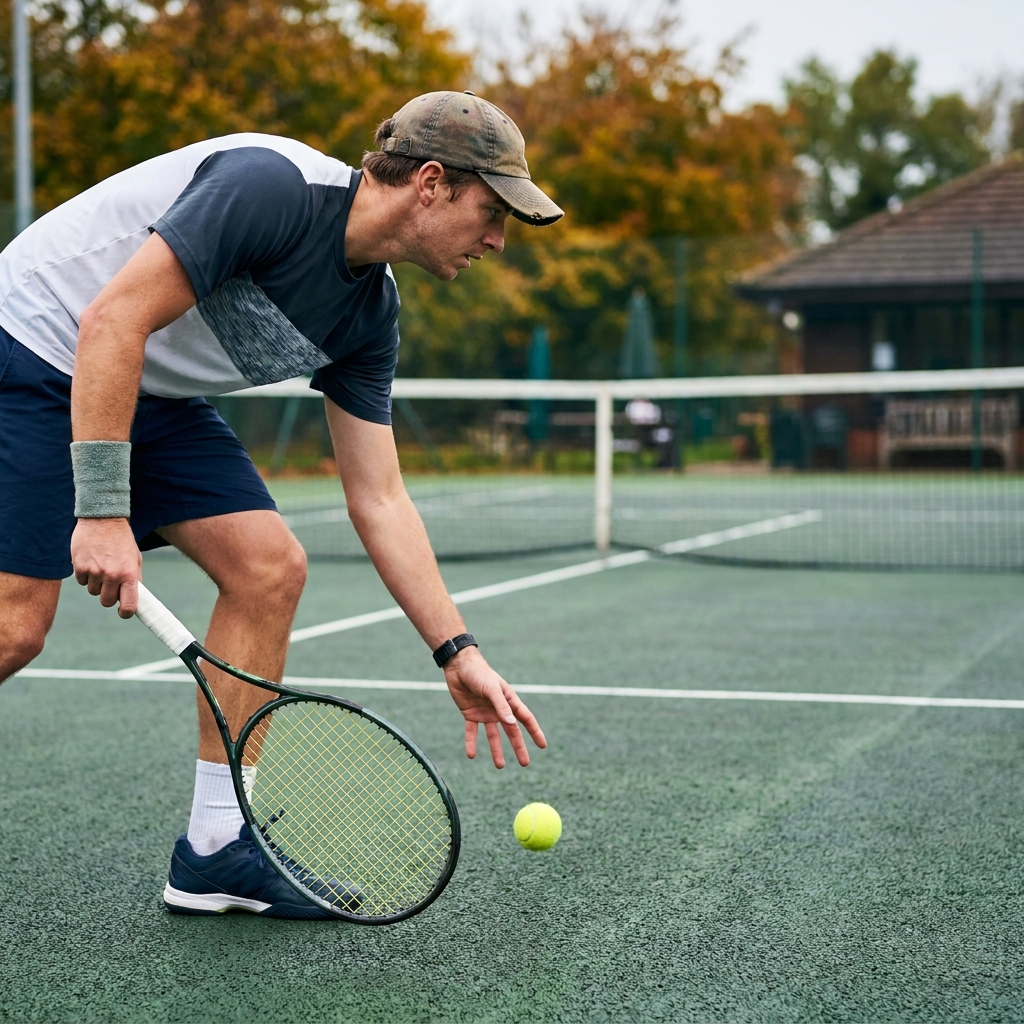
A tiebreak is a short sprint where every point is worth the same as a break of serve. The players who win them are rarely the ones who hit hardest. Here is how to coach the patterns, habits and scoreboard thinking that win the big points.
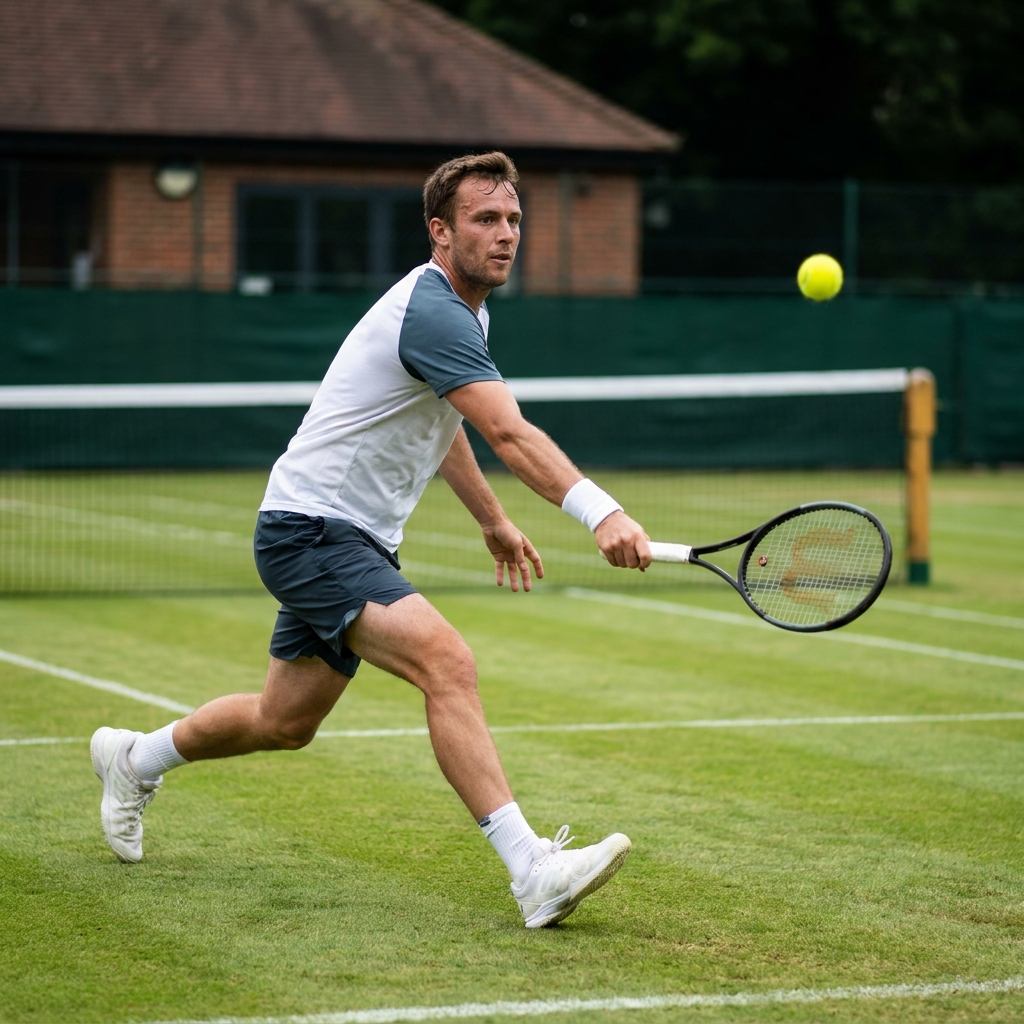
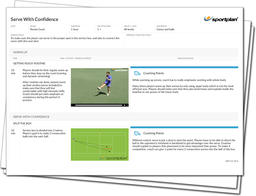
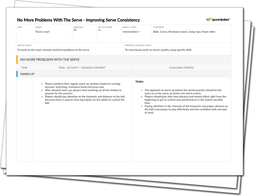
Most club players practise the serve on its own and then have no idea what to do with the ball that comes back. Serve plus one is the pattern that turns a good serve into a won point.


Register for FREE and get coaching tips, top drills, session and more every week!