"Depth is King" were the famous words once said by Michael Chang, the former US professional who was the youngest ever player to win a Grand Slam title, winning the French Open in 1989 at the tender age of 17.
By playing consistently with depth your players will be able to keep their opponent on the back foot.
Michael Chang was famous not only for winning a Grand Slam at such a young age but also for his Counterpunching. What this means is that he was able to retrieve and return all manner of shots, even when it seemed impossible - in doing so he battled hard, hit balls back from all areas of the court and won many matches in the process.
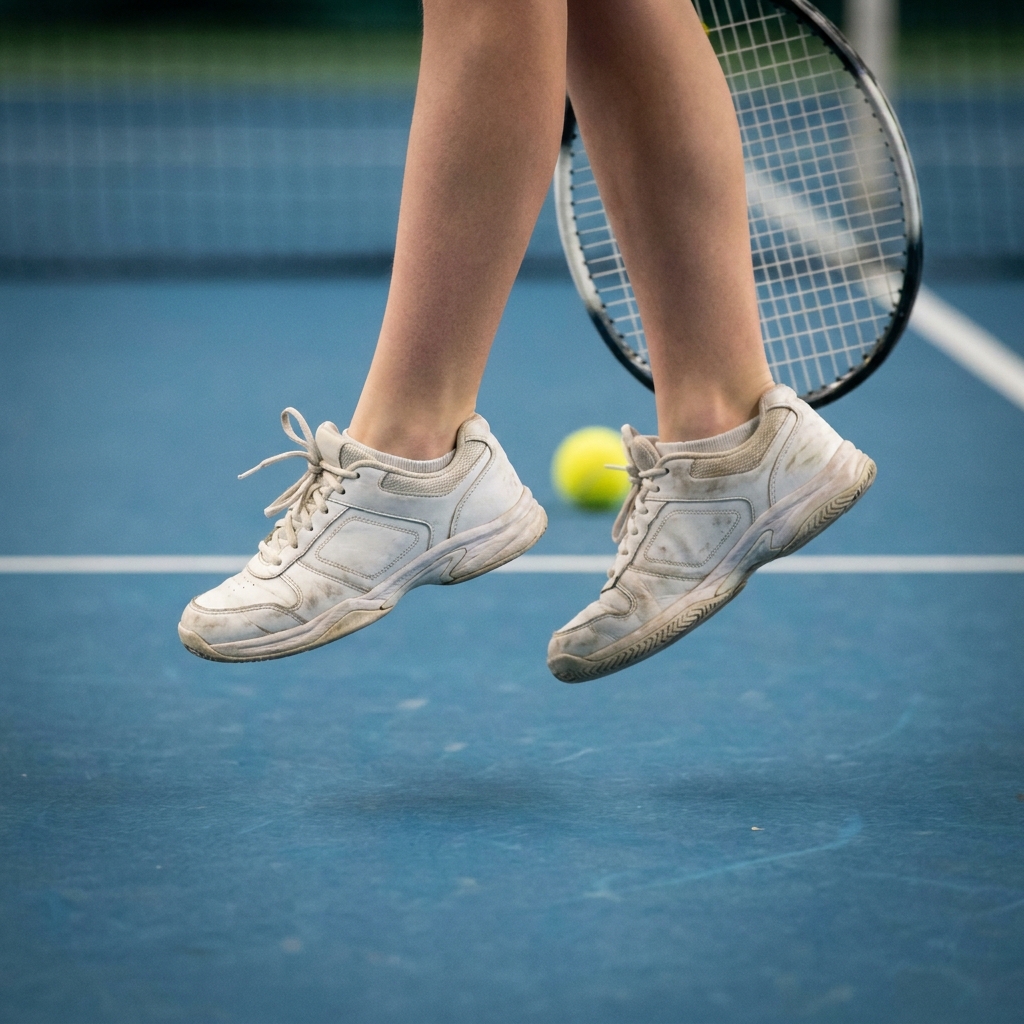
Indoor courts give players less time and less room. Help them sharpen their split step, shorten their swing and stay calm, and winter becomes a season of real progress.

A tiebreak is a short sprint where every point is worth the same as a break of serve. The players who win them are rarely the ones who hit hardest. Here is how to coach the patterns, habits and scoreboard thinking that win the big points.
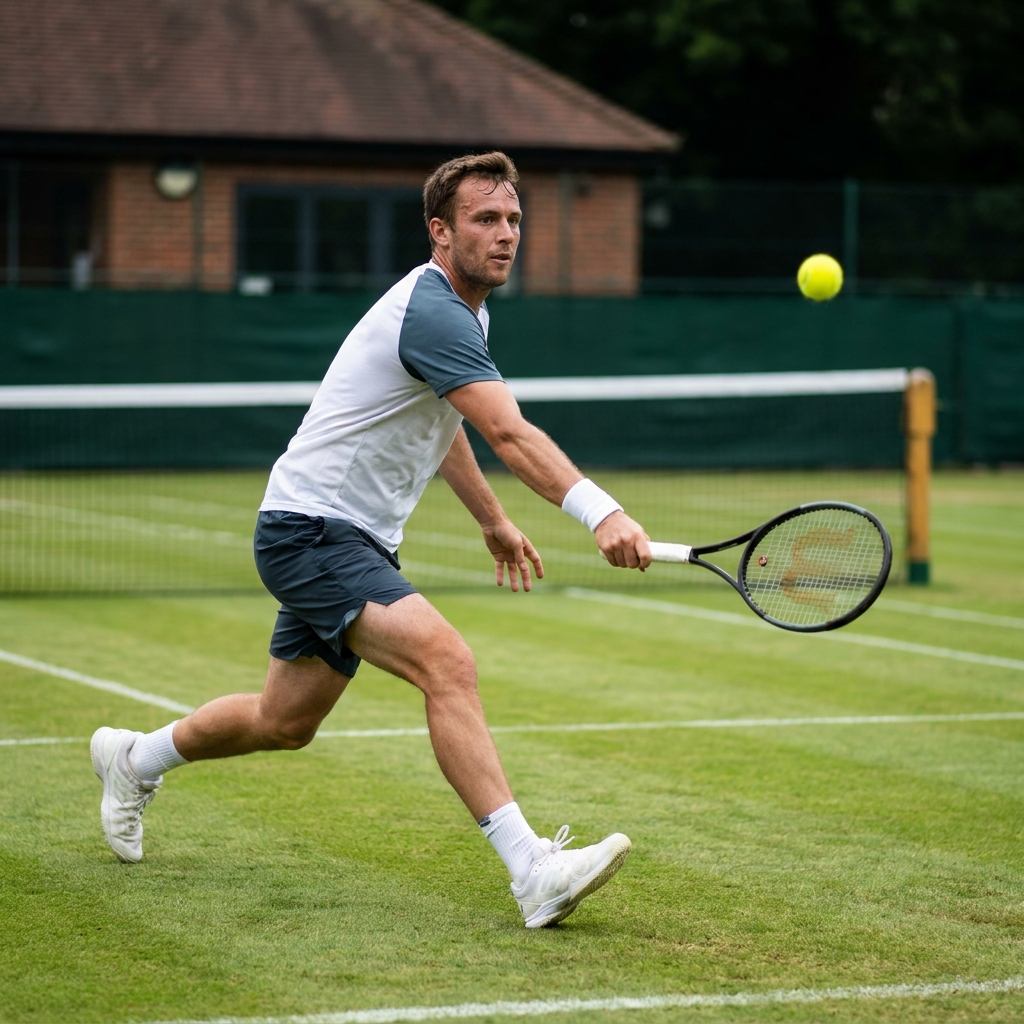
Most club players practise the serve on its own and then have no idea what to do with the ball that comes back. Serve plus one is the pattern that turns a good serve into a won point.


Register for FREE and get coaching tips, top drills, session and more every week!