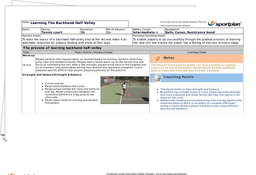
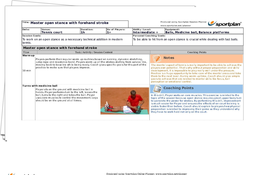
Players that can execute a half-volley have more chance of success when coming into the net.
Learning the half-volley is not an easy process because of the characteristics of this shot. Players have to combine good ball perception, coordination, body control and balance to be able to go through the first stages of acquiring the ability to hit this difficult ball close to the net.
One of the elements that decides about the quality of a half-volley is the racket face. The angle of the racket has a big impact on the effectiveness of this situational stroke. Being able to consciously close and open the racket face allows players to vary depth and height of their volleys which is a big asset to use.
By practicing this shot in an environment similar to the one from a match, the player develops automatic responses that will help them to execute this shot effectively.
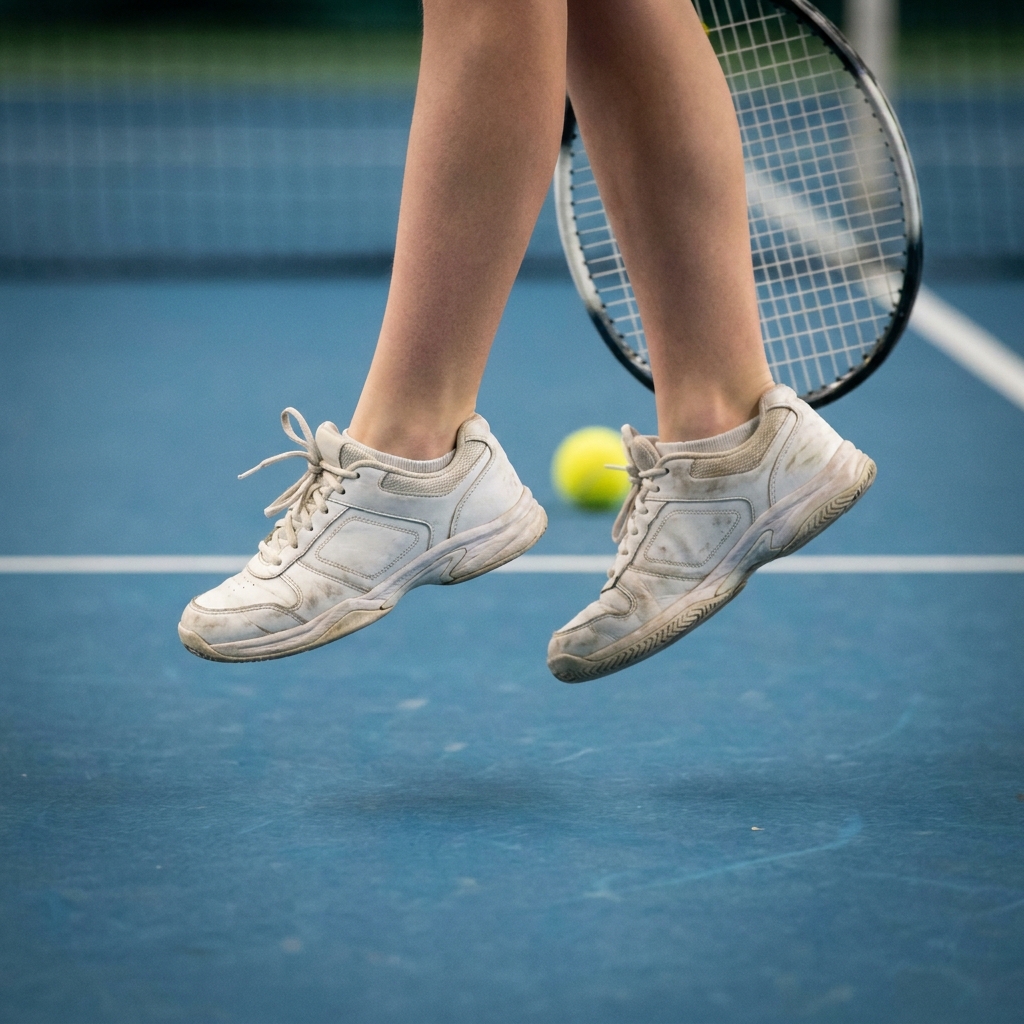
Indoor courts give players less time and less room. Help them sharpen their split step, shorten their swing and stay calm, and winter becomes a season of real progress.
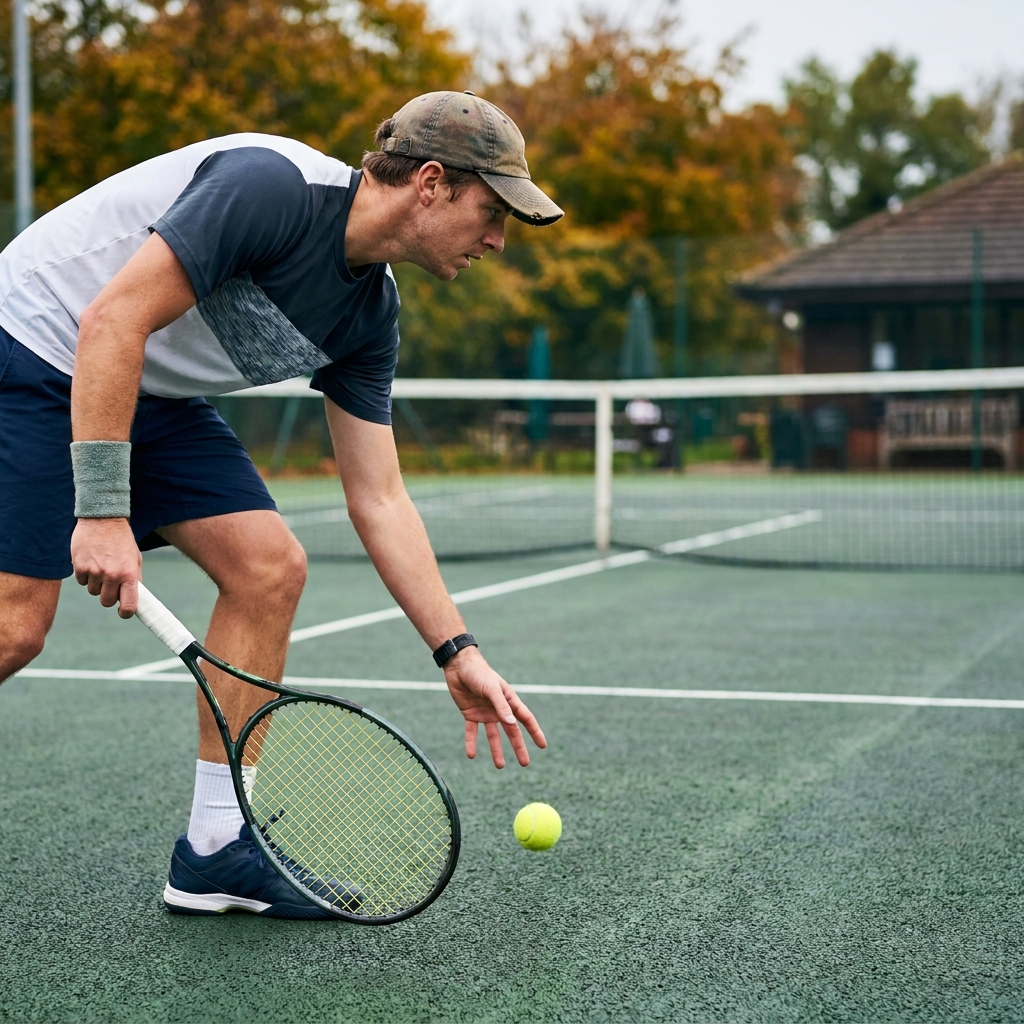
A tiebreak is a short sprint where every point is worth the same as a break of serve. The players who win them are rarely the ones who hit hardest. Here is how to coach the patterns, habits and scoreboard thinking that win the big points.
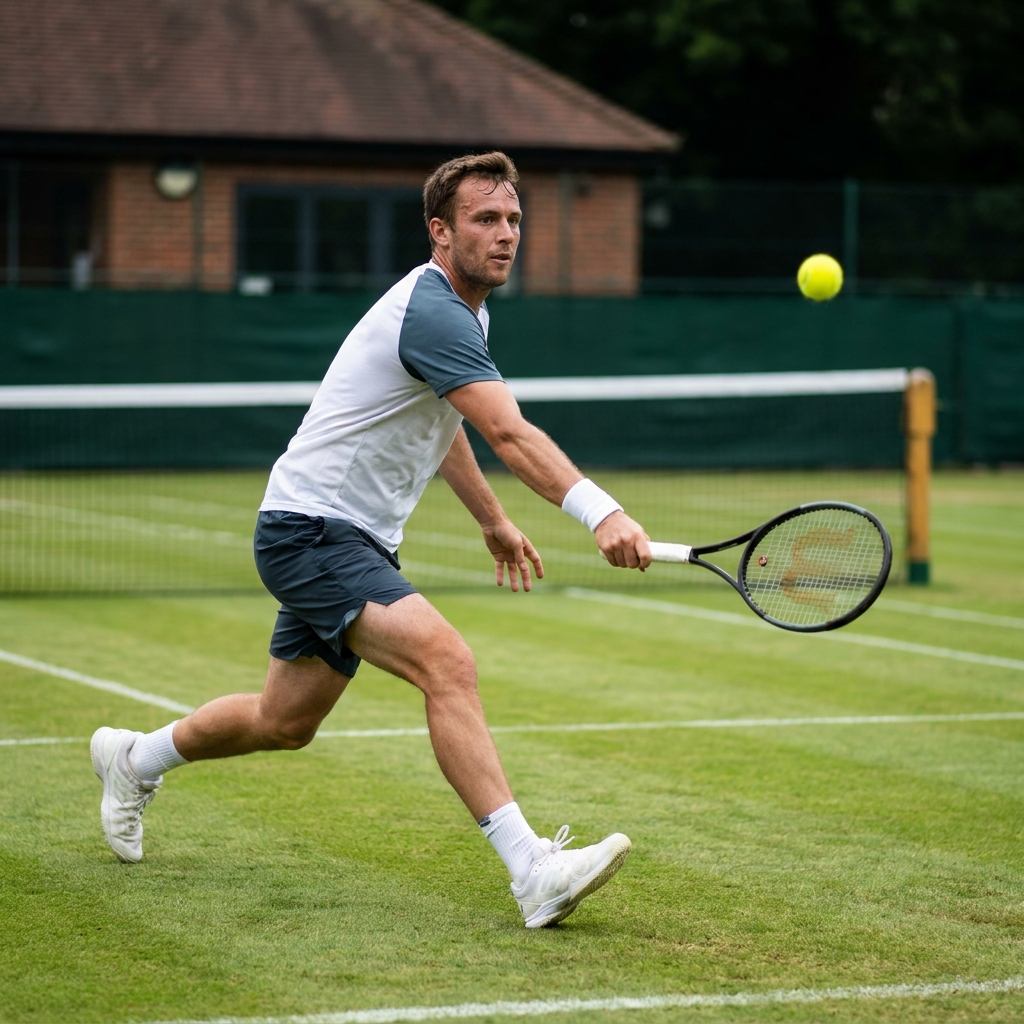
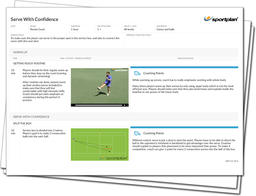
Most club players practise the serve on its own and then have no idea what to do with the ball that comes back. Serve plus one is the pattern that turns a good serve into a won point.


Register for FREE and get coaching tips, top drills, session and more every week!