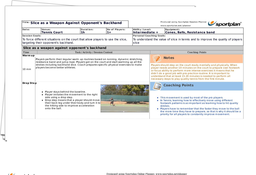
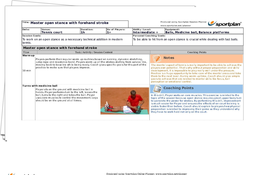
Players who control the rallies, will come out on top at the end of the match. Consistently hitting to one side of the court with a variety of pace and spin will allow players to control the rally and really test their opponents patience and ability to keep the rally going.
What's in the Session?
We look at consistently hitting to the opponent?s backhand side as it?s unusual to come up against players with a stronger backhand than forehand. Keeping that in mind players should learn both how to put the ball into the opponent?s backhand as also how to effectively respond to balls placed to own backhand side.
We also work on approaching the net after hitting a slice. Players should practice different forms of the approach shot to force opponents into make more mistakes while trying to hit a passing shot.
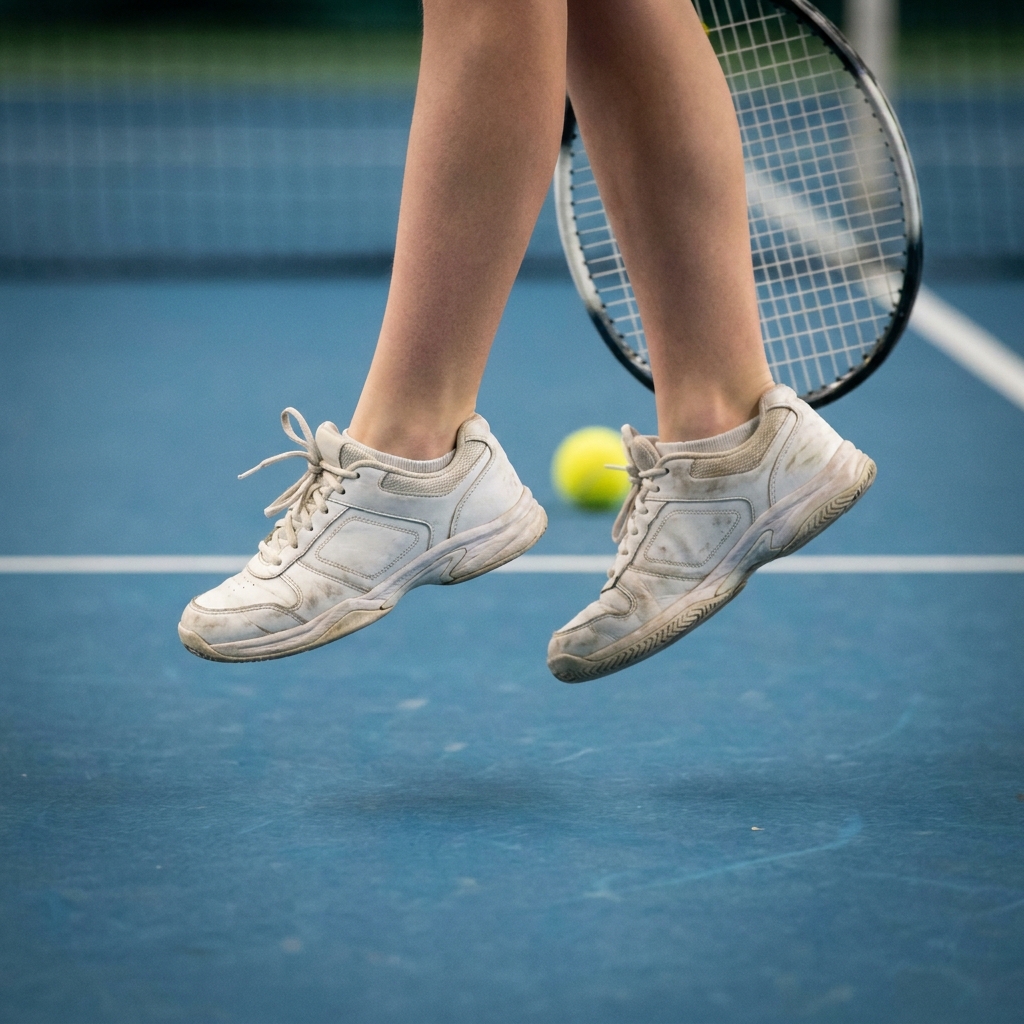
Indoor courts give players less time and less room. Help them sharpen their split step, shorten their swing and stay calm, and winter becomes a season of real progress.
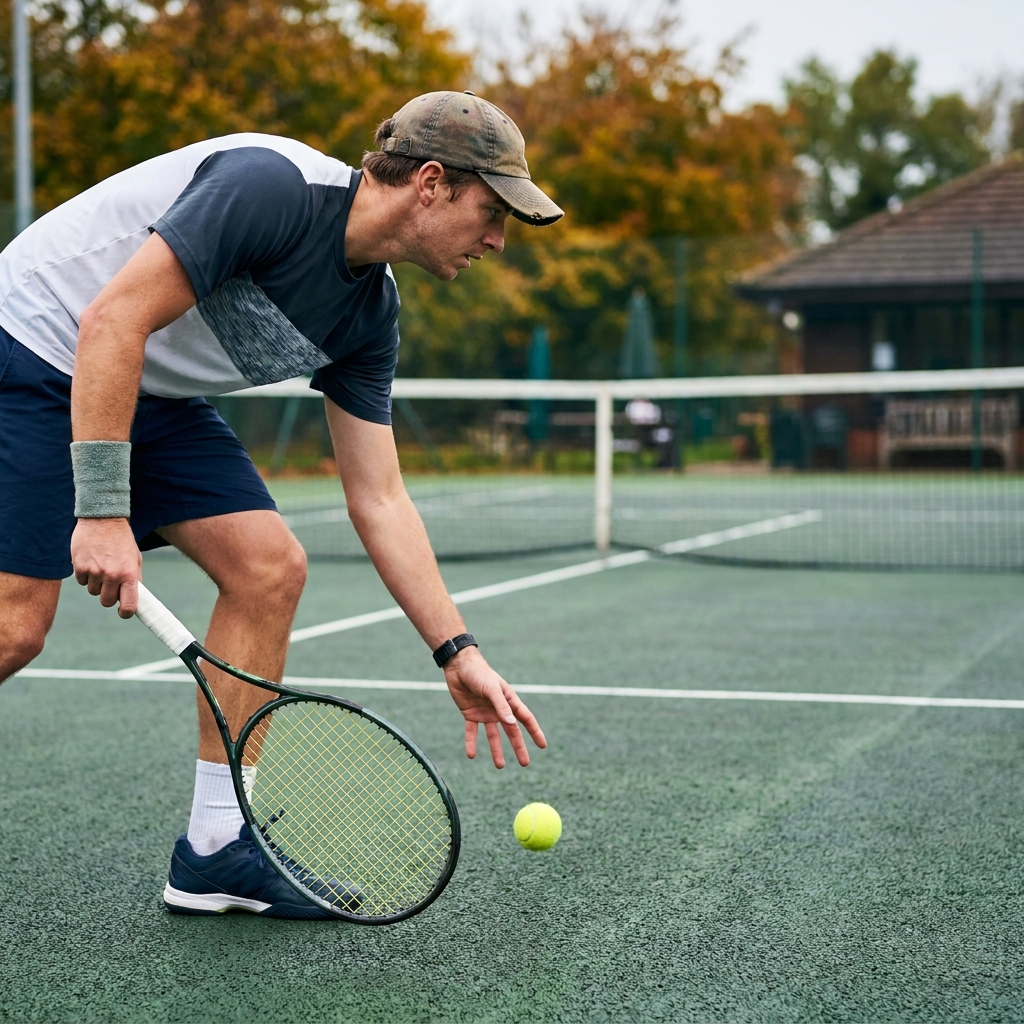
A tiebreak is a short sprint where every point is worth the same as a break of serve. The players who win them are rarely the ones who hit hardest. Here is how to coach the patterns, habits and scoreboard thinking that win the big points.
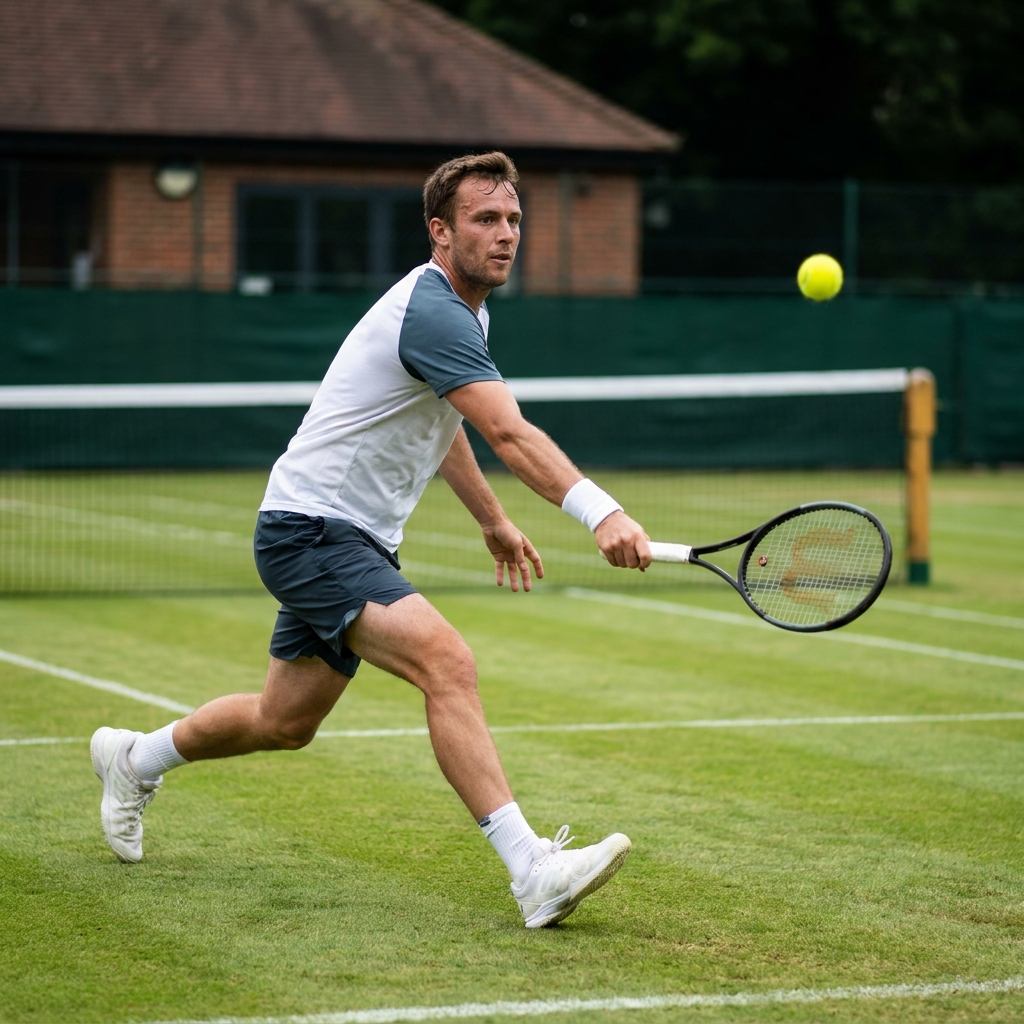
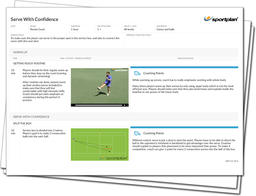
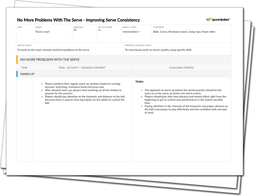
Most club players practise the serve on its own and then have no idea what to do with the ball that comes back. Serve plus one is the pattern that turns a good serve into a won point.


Register for FREE and get coaching tips, top drills, session and more every week!