Tennis is a quick game and being at the net is the fastest possible form of it. Positioning close to the net offers possibilities to finish the point early but to do it consistently, requires great technical and physical skills to deal with passing shots that can arrive with some serious heat.
What’s in the session?
Decision making is crucial to increase the chance of winning points at the net and these decisions have to be made quickly. Players need to groove these as automatic decisions. The more fluent the connection is, the more successful players will be, even in really challenging situations.
At the net, the most important factor that decides about the quality of the shot is control. More often than not, players don't have to generate any pace because the incoming ball already has it. That is why, the ability to control direction and depth while hitting out of the air is the area that players should dedicate more training time to.
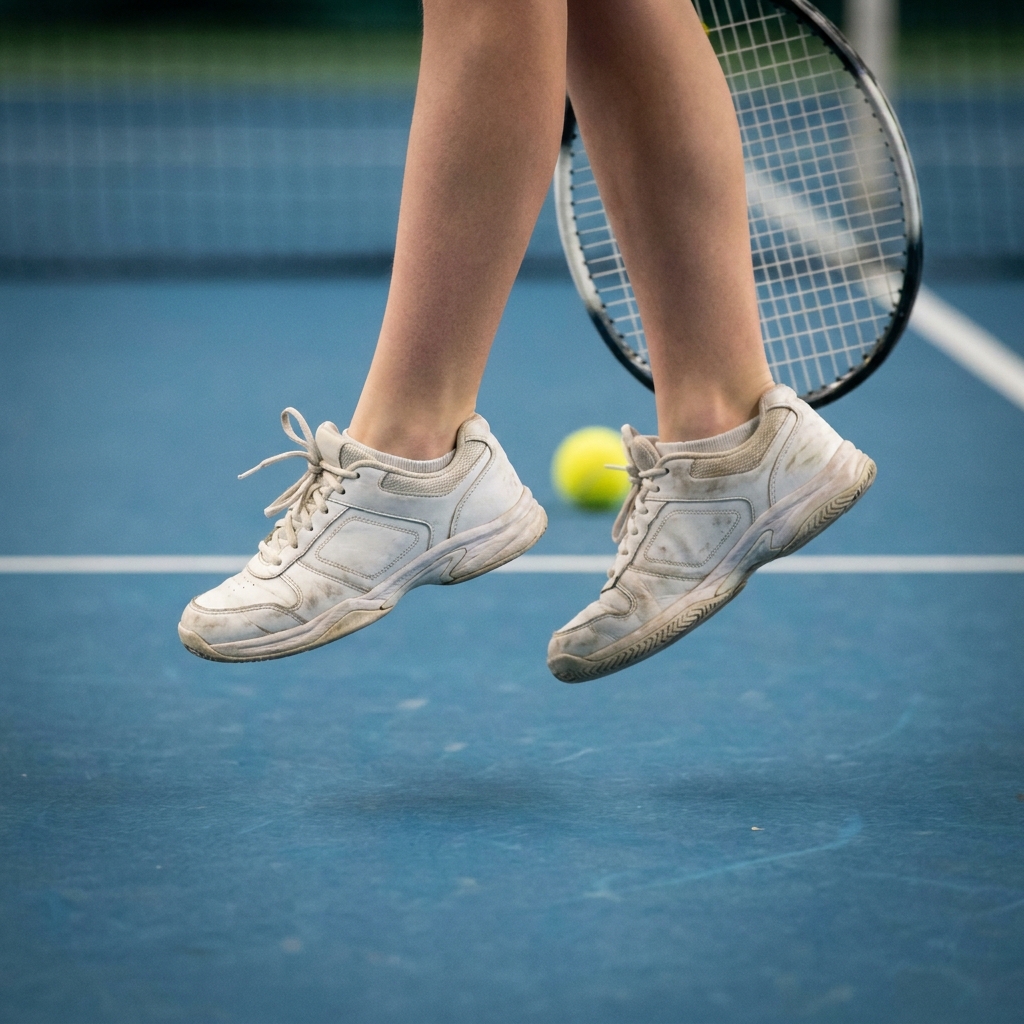
Indoor courts give players less time and less room. Help them sharpen their split step, shorten their swing and stay calm, and winter becomes a season of real progress.
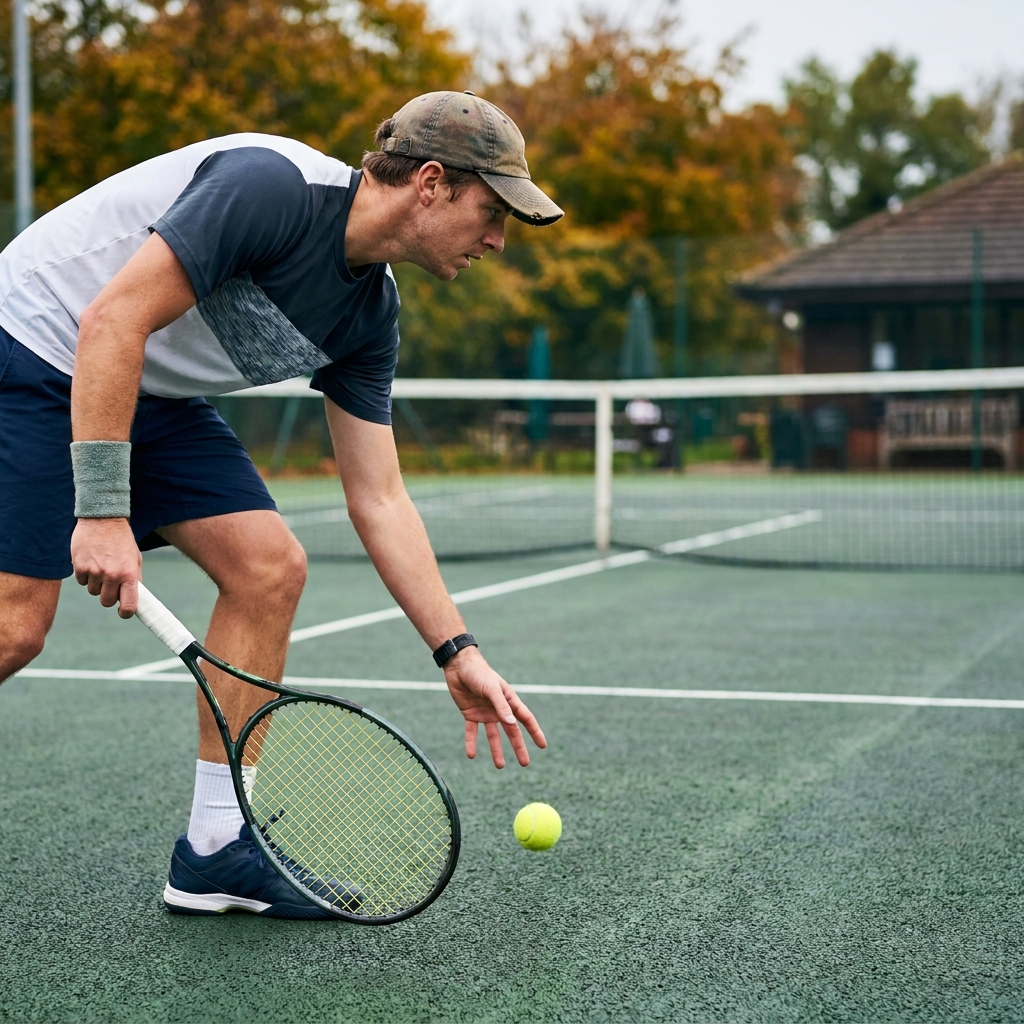
A tiebreak is a short sprint where every point is worth the same as a break of serve. The players who win them are rarely the ones who hit hardest. Here is how to coach the patterns, habits and scoreboard thinking that win the big points.
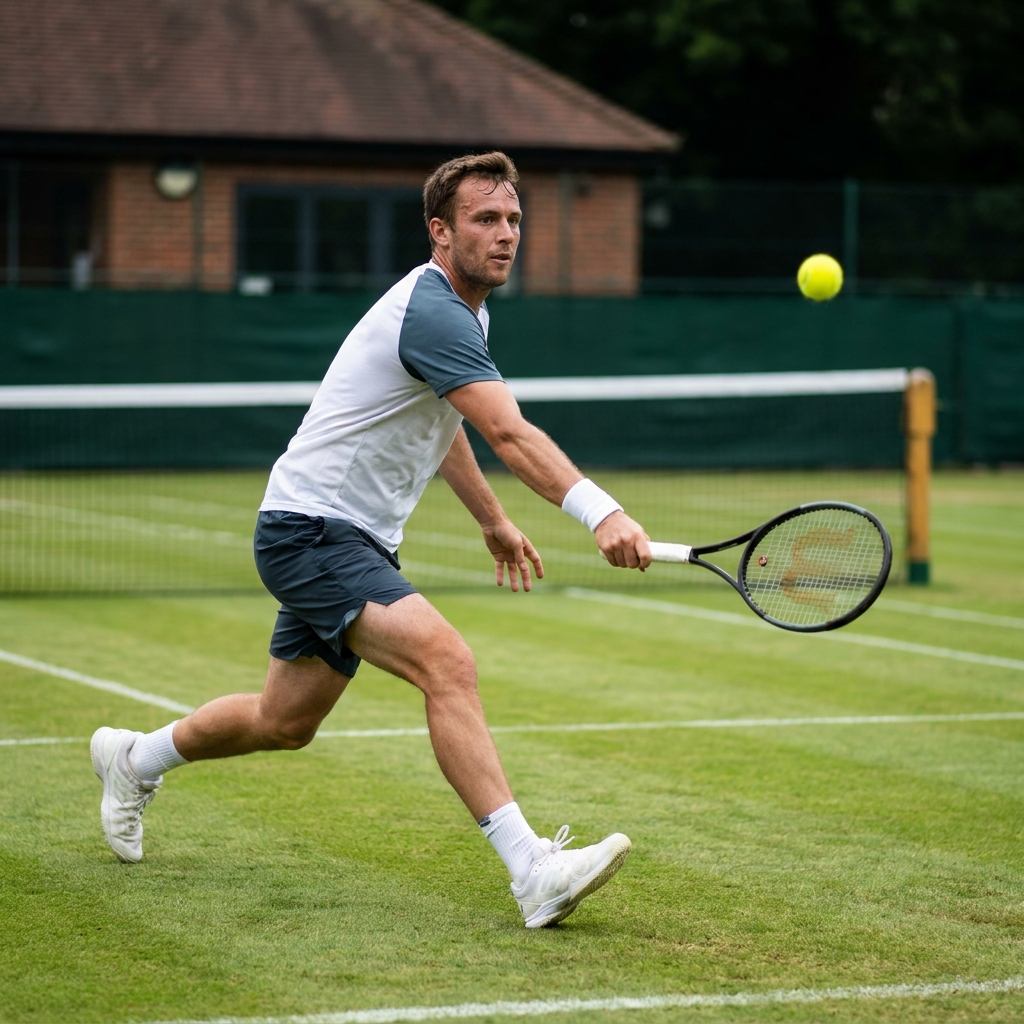
Most club players practise the serve on its own and then have no idea what to do with the ball that comes back. Serve plus one is the pattern that turns a good serve into a won point.


Register for FREE and get coaching tips, top drills, session and more every week!