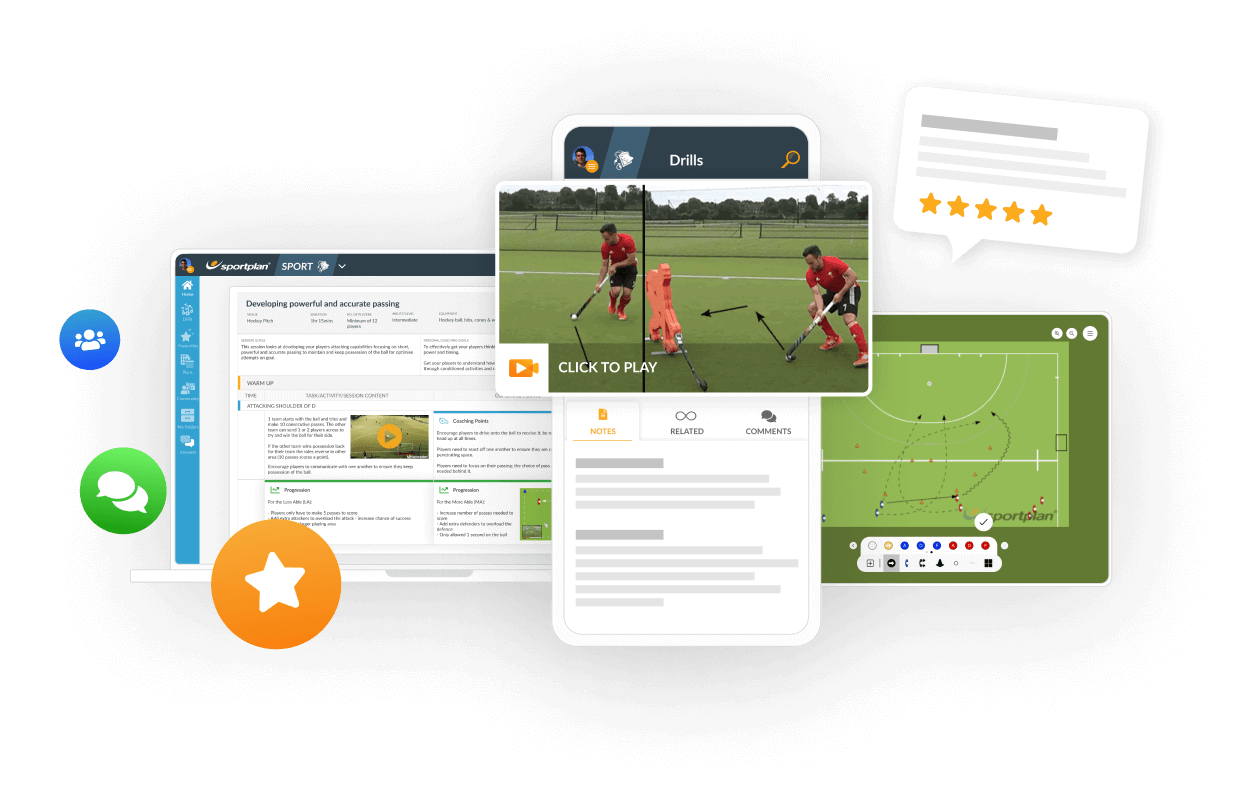


TRANSFORM YOUR TEAM'S SEASON WITH PROFESSIONALLY PLANNED SESSIONS
Use our expert plans or build your own using our library of over 700+ drills, and easy-to-use tools.
JOIN NOWI don't know what to do, I'm coaching 2 teams at the same time same practice and they know. the problem is that one team is 5/6 advance and the other team is 5/6 beginners. I can't pull out of this and I need some drills that both can do...


Hi Danni,
Unopposed practices are a great way to incorporate players of all levels and to get them all up to a similar standard.
Make the stronger players put pressure on themselves to maintain standards which will give the players of lesser ability a target to strive for.
By doing it unopposed, the lesser ability have the opportunity to play without fear of being tackled so get a sufficient amount of time on the ball.
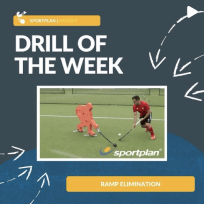
Try this drill below!
Hope this helps!
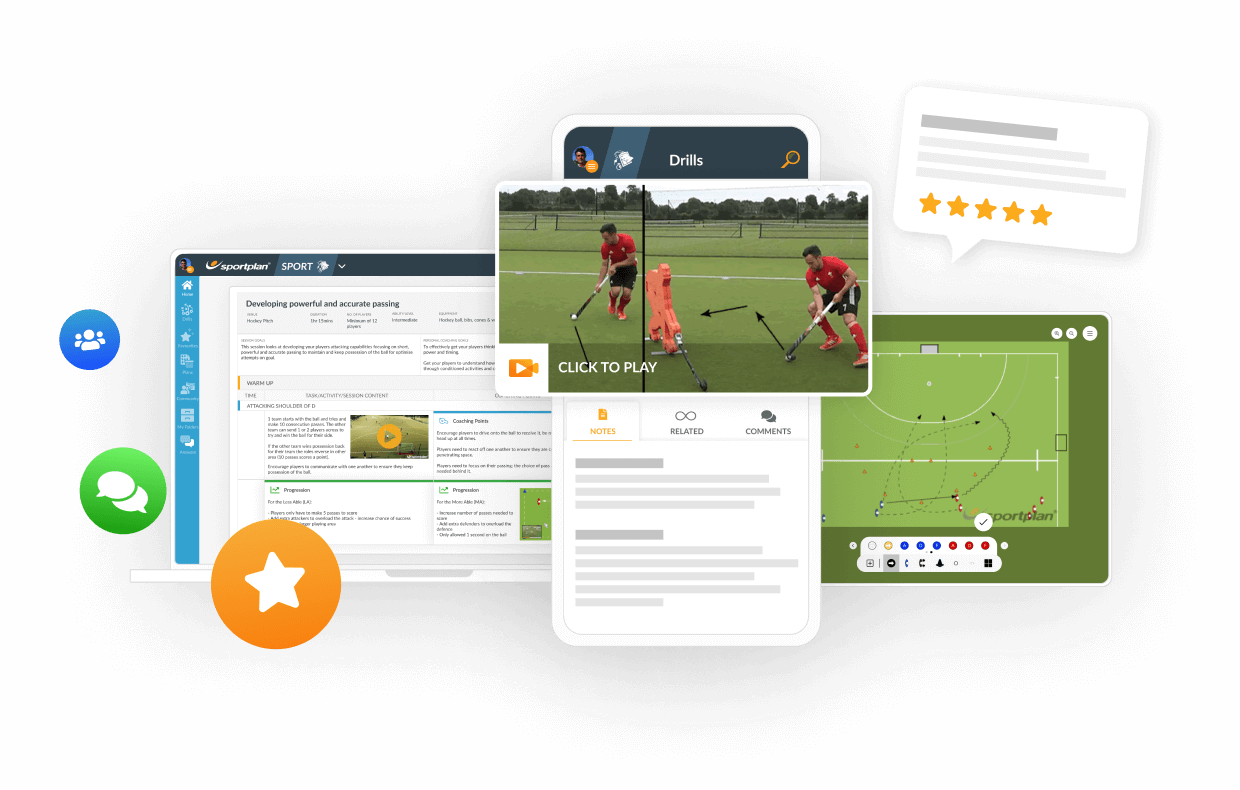
in more ways than one
 sportplan_hockey
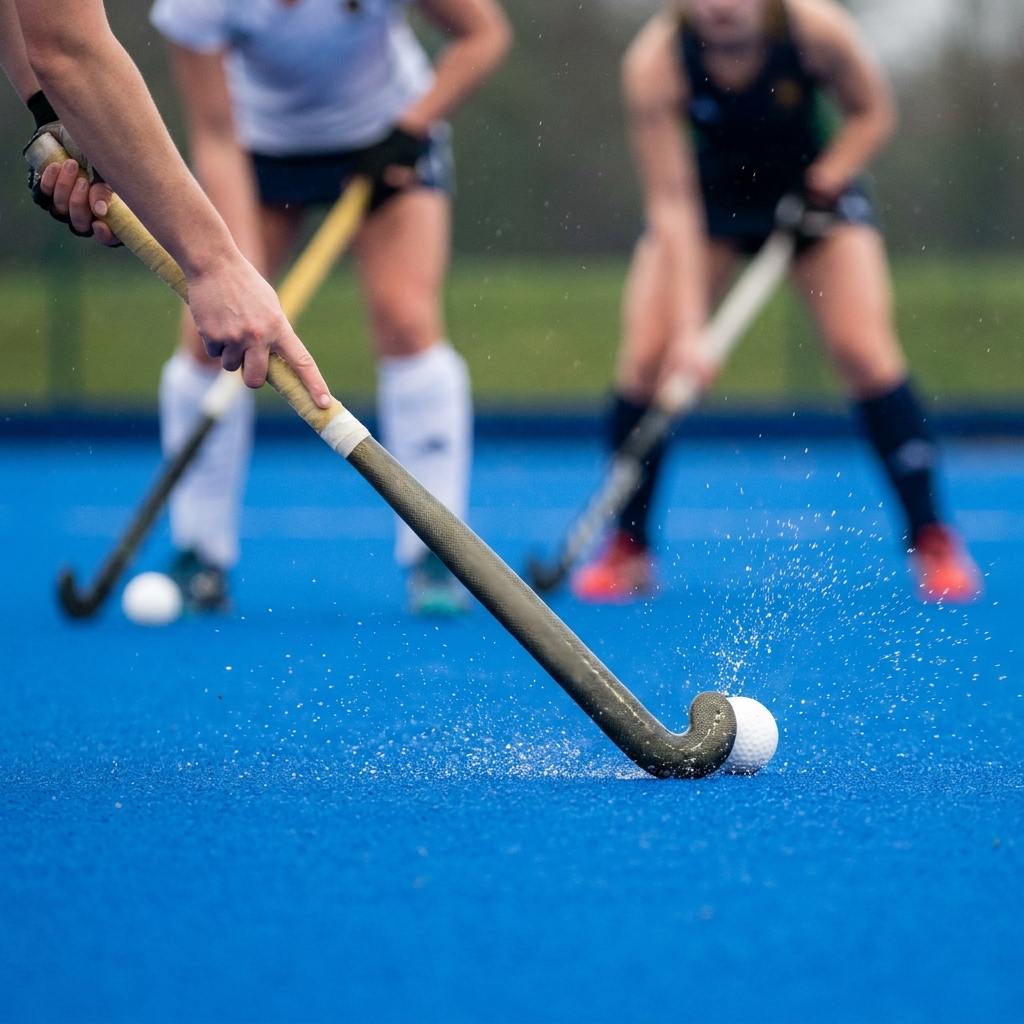
A few weeks into the league season, poor first touches are costing teams the ball. Coach body shape, scanning and receiving on the move to keep possession.
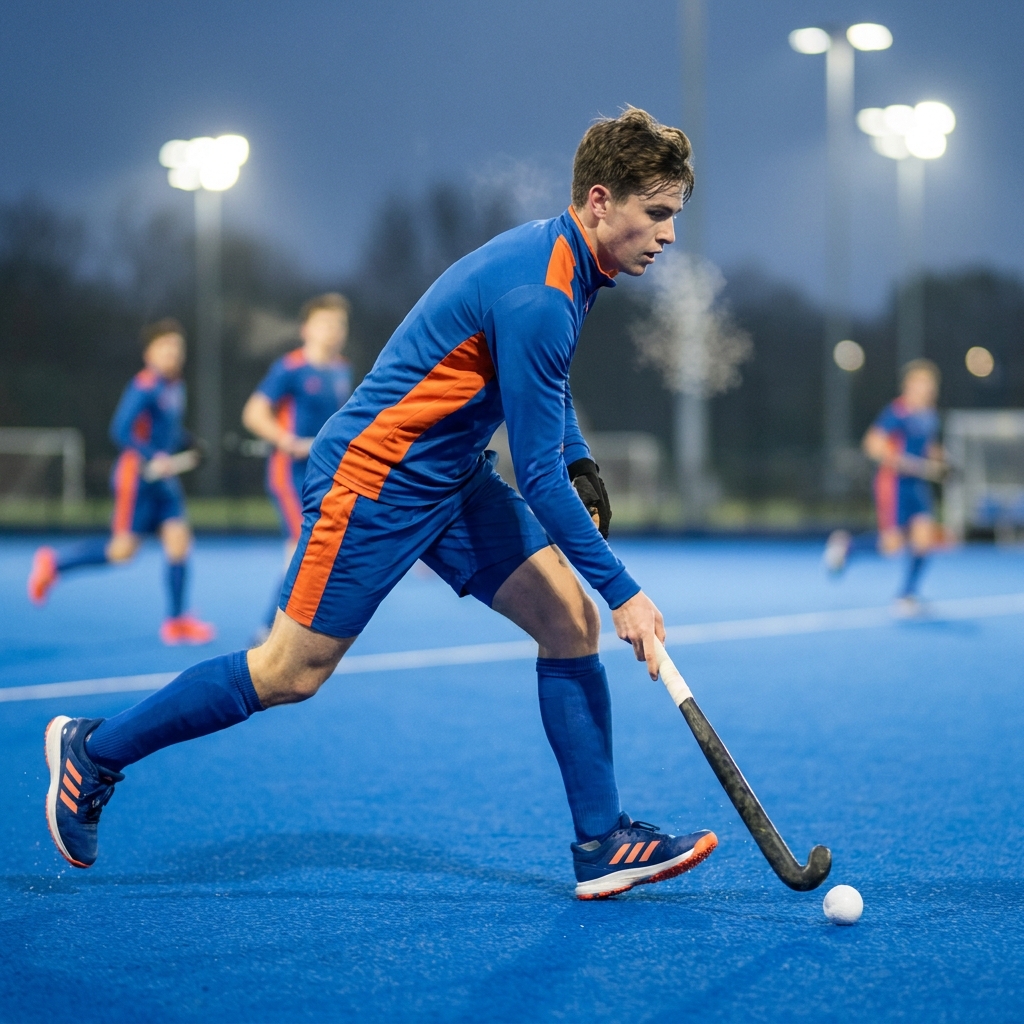
Pre-season fitness fades fast once the league starts. Build conditioning into ball work and use rolling subs well to keep your squad sharp all season.
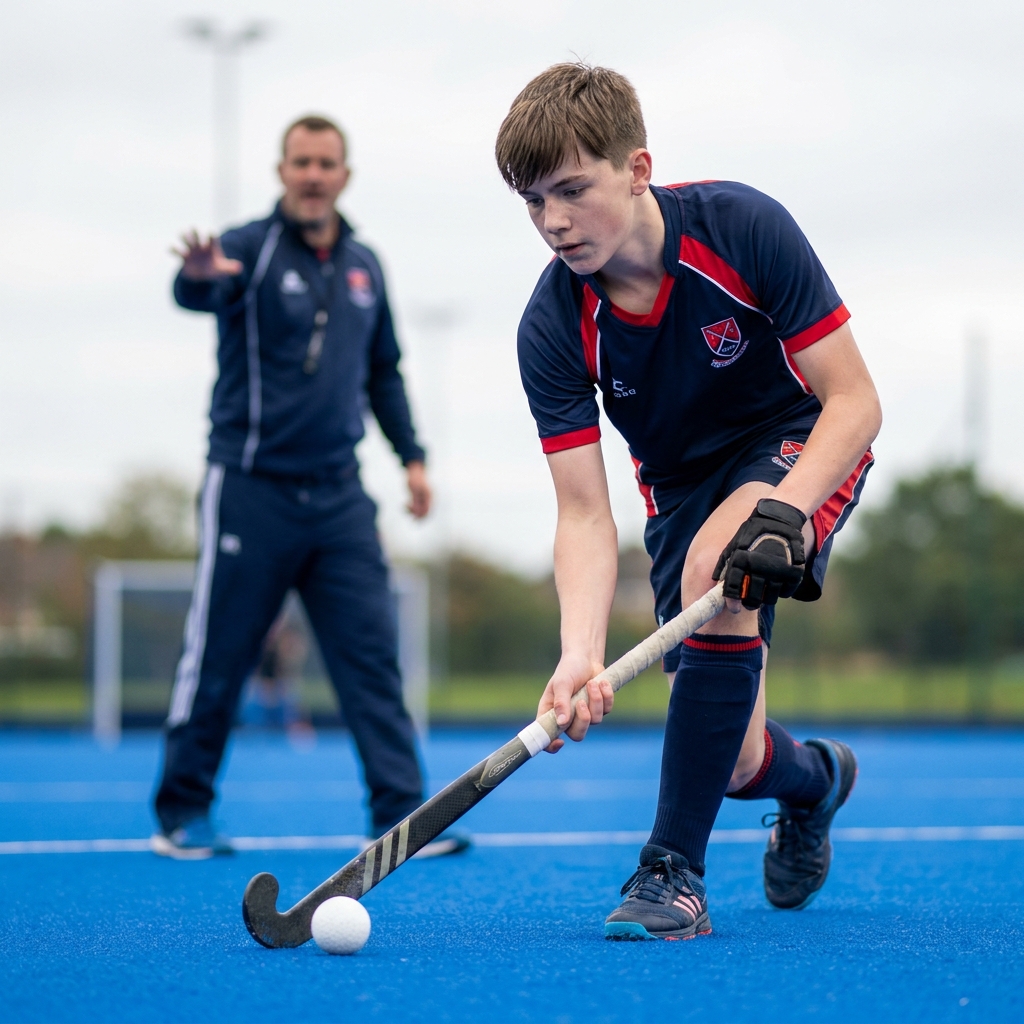
The first weeks of the season decide whether a junior or new player sticks with adult hockey. Here is how to keep them safe, give them a clear job and build their confidence from the very first bully.
Use our expert plans or build your own using our library of over 700+ drills, and easy-to-use tools.
JOIN NOW