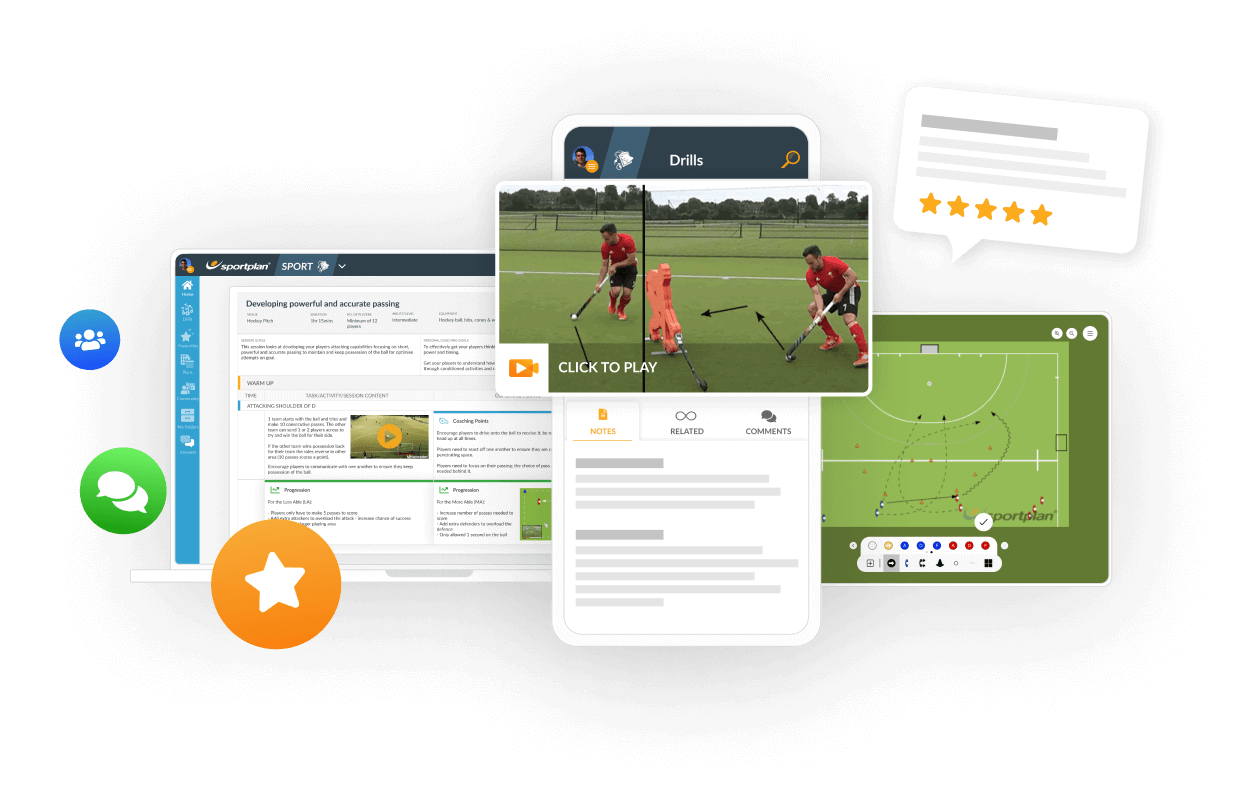
TRANSFORM YOUR TEAM'S SEASON WITH PROFESSIONALLY PLANNED SESSIONS
Use our expert plans or build your own using our library of over 700+ drills, and easy-to-use tools.
JOIN NOW
I am coaching 5th and 6th gradersâ¦are the drills on this website for that age level or older?
Hi Tara,
I think the key idea when coaching any sport is to not consider age as a factor. It should always be down to skill level, and i believe that is why there are not specific age groups for drills being listed.
You could check out the `Session for Juniors` category and see what drills you find useful, with many drills here having highly fun and competitive aspects to them, wish should help to keep the children engaged.
I`d highlight a core skill you wish to practice on, and use the search bar to find some introductory drills and videos that can assist you in teaching field hockey, and then, depending on how well that goes, look into conditioned games so the children can practice their newly developed skills.
Hope this has helped,
Josh
in more ways than one
The best hockey players in the world do not just react faster; they scan more frequently and process information before the ball arrives. This article explores the science behind scanning, how to coach spatial awareness as a habit, and practical drills that force players to lift their heads and read the game.
In hockey, you can only score from inside the circle. Getting the ball into the D with purpose and creating genuine shooting chances is the hardest part of attack. This article examines the different types of circle entry, why entry angle determines shot quality, and how to train your team to penetrate the most congested area on the pitch.
The best teams don't just press - they press at the right moment. Here's how to train your players to read the cues.
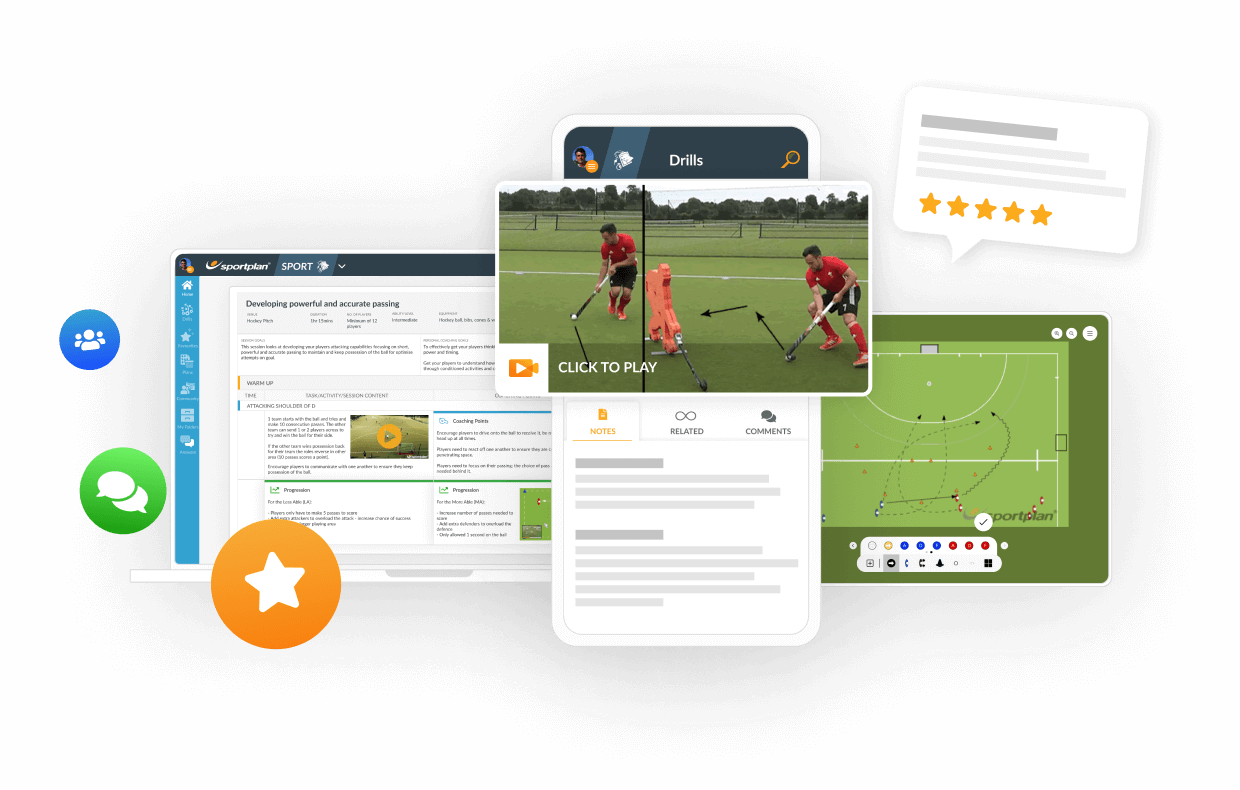
Use our expert plans or build your own using our library of over 700+ drills, and easy-to-use tools.
JOIN NOW