

TRANSFORM YOUR TEAM'S SEASON WITH PROFESSIONALLY PLANNED SESSIONS
Use our expert plans or build your own using our library of over 700+ drills, and easy-to-use tools.
JOIN NOWis there a drill where i can allow the team to learn about leads and running of the ball and that switching is vital for wings as well as bursting speed to receive the ball


Hi Francois,
It`s very important that the players understand why they need to lead, not just that they have to. This first unopposed drill lets them recognise where to lead and the movement patterns that they need to adopt to receive the ball in some space.
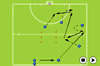
Then, the second drill will educate the players as to why you need to switch the play as it will create space and shift their defence. By incorporating the both of these drills, the players will be able to see where to lead and then recognise why the transfer and lead work hand in hand to develop goal scoring opportunities.
I hope this helps!
Tom
Hi Francois,
It`s very important that the players understand why they need to lead, not just that they have to. This first unopposed drill lets them recognise where to lead and the movement patterns that they need to adopt to receive the ball in some space.
Then, the second drill will educate the players as to why you need to switch the play as it will create space and shift their defence. By incorporating the both of these drills, the players will be able to see where to lead and then recognise why the transfer and lead work hand in hand to develop goal scoring opportunities.
I hope this helps!
Tom
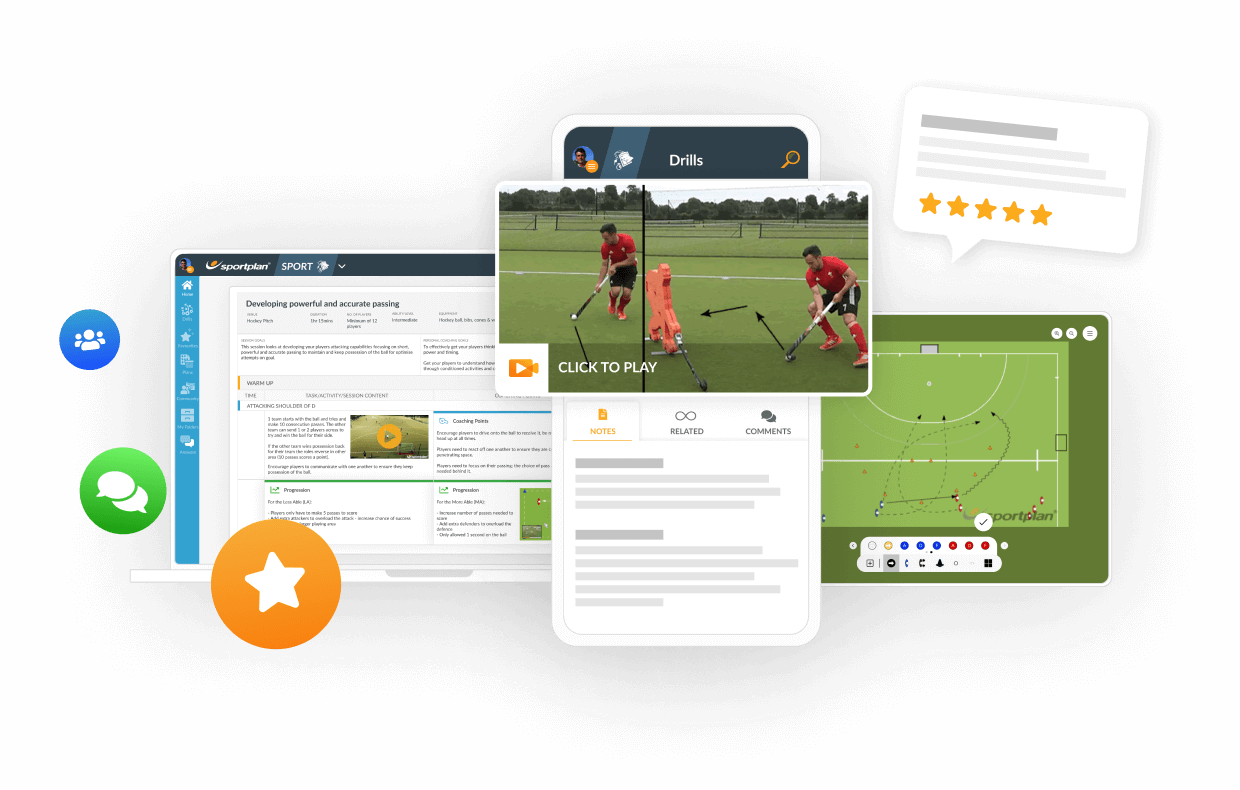
in more ways than one
 sportplan_hockey



A few weeks into the league season, poor first touches are costing teams the ball. Coach body shape, scanning and receiving on the move to keep possession.

Pre-season fitness fades fast once the league starts. Build conditioning into ball work and use rolling subs well to keep your squad sharp all season.
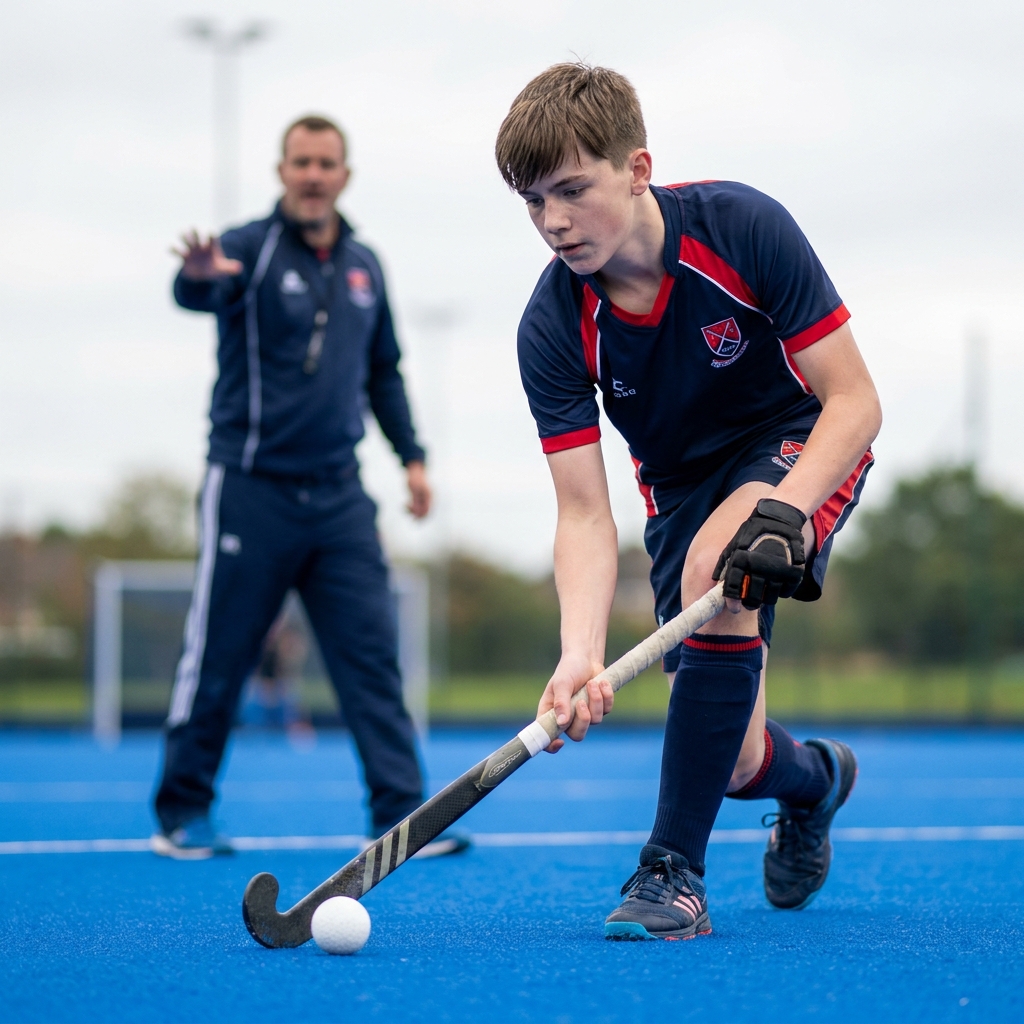
The first weeks of the season decide whether a junior or new player sticks with adult hockey. Here is how to keep them safe, give them a clear job and build their confidence from the very first bully.
Use our expert plans or build your own using our library of over 700+ drills, and easy-to-use tools.
JOIN NOW