TRANSFORM YOUR TEAM'S SEASON WITH PROFESSIONALLY PLANNED SESSIONS
Use our expert plans or build your own using our library of over 700+ drills, and easy-to-use tools.
JOIN NOW
Hi Sudeesh,
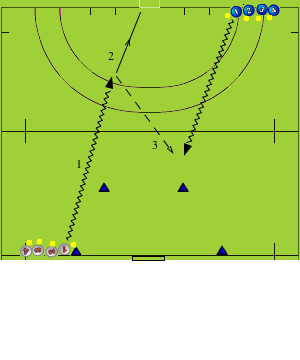
For set plays inside the 23-meter area, you might find the "Closed Zones" drill useful. This exercise involves 4 players inside the 23-meter area trying to pass the ball through the defensive zone to players in the other half. The 6 defenders in the middle zone aim to intercept and break to score a goal against the players who lost the ball.
Additionally, the "Team Escape" drill is another option where defenders are only allowed to defend inside the 23-meter area. This drill involves attackers trying to score against defenders, and when they do, roles are reversed.
You can explore these drills further on Sportplan for more details and implementation tips.
I hope this helps,
Cam

in more ways than one
The best hockey players in the world do not just react faster; they scan more frequently and process information before the ball arrives. This article explores the science behind scanning, how to coach spatial awareness as a habit, and practical drills that force players to lift their heads and read the game.
In hockey, you can only score from inside the circle. Getting the ball into the D with purpose and creating genuine shooting chances is the hardest part of attack. This article examines the different types of circle entry, why entry angle determines shot quality, and how to train your team to penetrate the most congested area on the pitch.
The best teams don't just press - they press at the right moment. Here's how to train your players to read the cues.
Use our expert plans or build your own using our library of over 700+ drills, and easy-to-use tools.
JOIN NOW