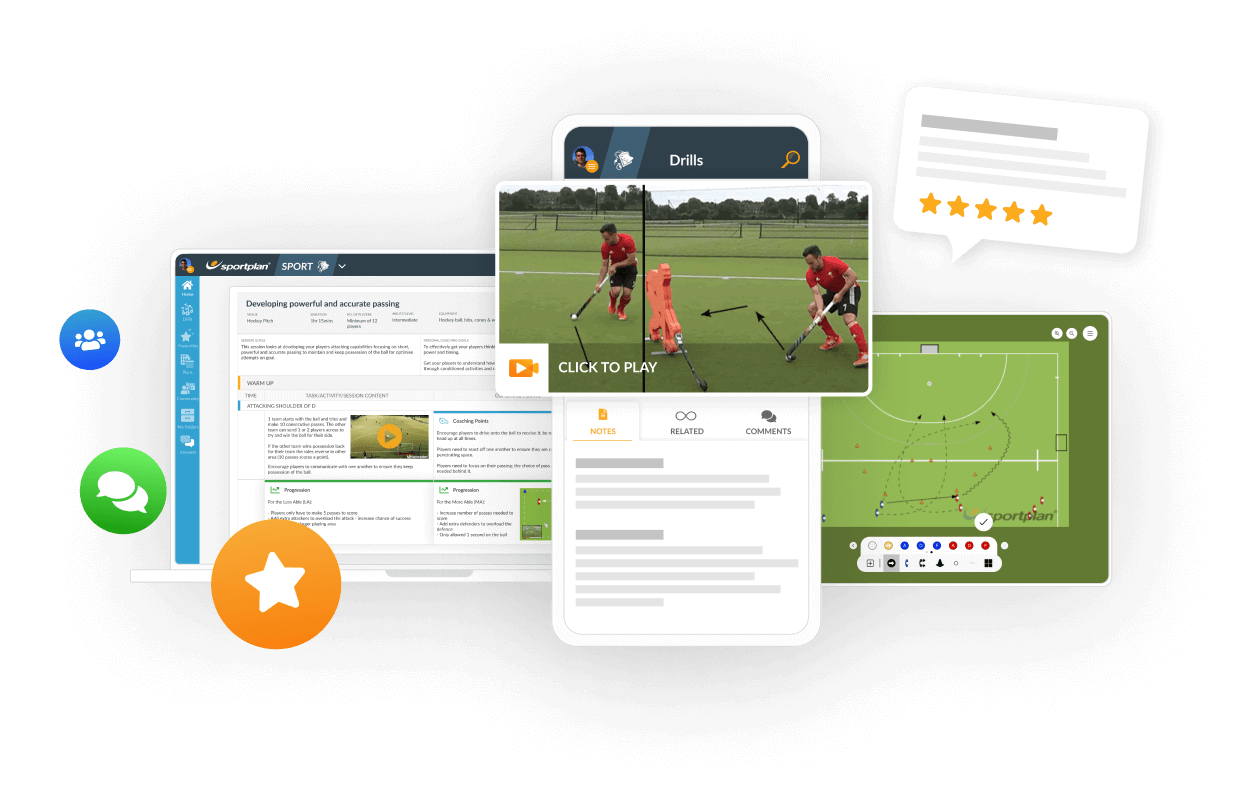
TRANSFORM YOUR TEAM'S SEASON WITH PROFESSIONALLY PLANNED SESSIONS
Use our expert plans or build your own using our library of over 700+ drills, and easy-to-use tools.
JOIN NOW
Hello, I am working with my hockey coach of younger age groups in Turkey. can you help with training planning and technical tactical work
Hello,
For the first few sessions i would suggest mastering the basics and using drills that are relatively simple to understand. Beginning with a passing drill such as '2 Player passing pattern' or 'Two player square passing'. Followed with a pass and follow drill. I would the suggest focussing on a skill to improve/learn within the session i.e attacking, creating space, types of passing (V drag, reverse drag, pull back etc). Then a game related drill to put what players have learnt throughout the session into practice.
Good luck!
Jen
in more ways than one
The best hockey players in the world do not just react faster; they scan more frequently and process information before the ball arrives. This article explores the science behind scanning, how to coach spatial awareness as a habit, and practical drills that force players to lift their heads and read the game.
In hockey, you can only score from inside the circle. Getting the ball into the D with purpose and creating genuine shooting chances is the hardest part of attack. This article examines the different types of circle entry, why entry angle determines shot quality, and how to train your team to penetrate the most congested area on the pitch.
The best teams don't just press - they press at the right moment. Here's how to train your players to read the cues.
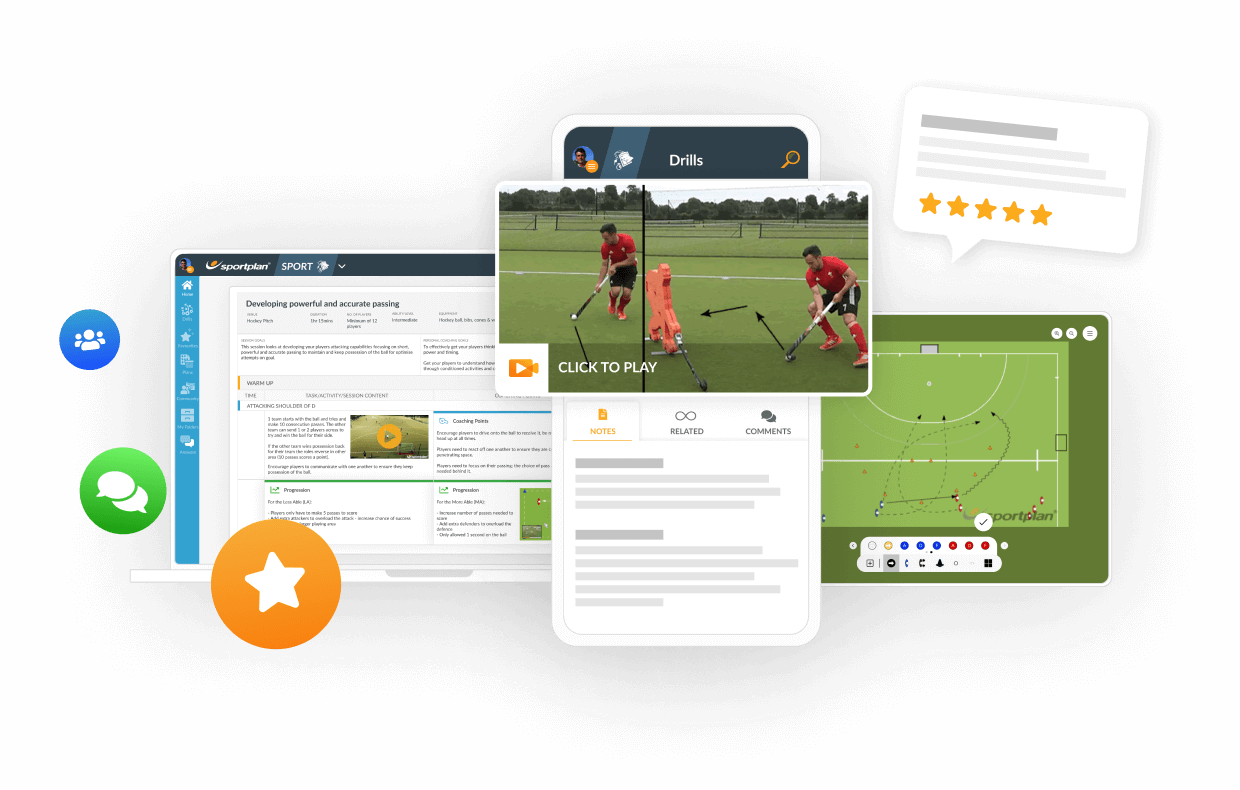
Use our expert plans or build your own using our library of over 700+ drills, and easy-to-use tools.
JOIN NOW