TRANSFORM YOUR TEAM'S SEASON WITH PROFESSIONALLY PLANNED SESSIONS
Use our expert plans or build your own using our library of over 700+ drills, and easy-to-use tools.
JOIN NOWHow can I get players (U15s) to take the initiative and to go looking for the ball? They have the skills to use the ball when they get it but remain waiting for a pass. This applies especially to the wings and fullbacks. The same is true about backs getting involved in rucks and forwards not picking up loose ball. (I've only just inherited this team).

Teach the full backs to play near the centers and the wings. Also, teach the backs to support the ball carrier by communicating, and to also clean in the rucks. That way the ball will automatically be present for them.
Communication is a very important factor that will get all the players involve in the game.

in more ways than one
 sportplan_rugby

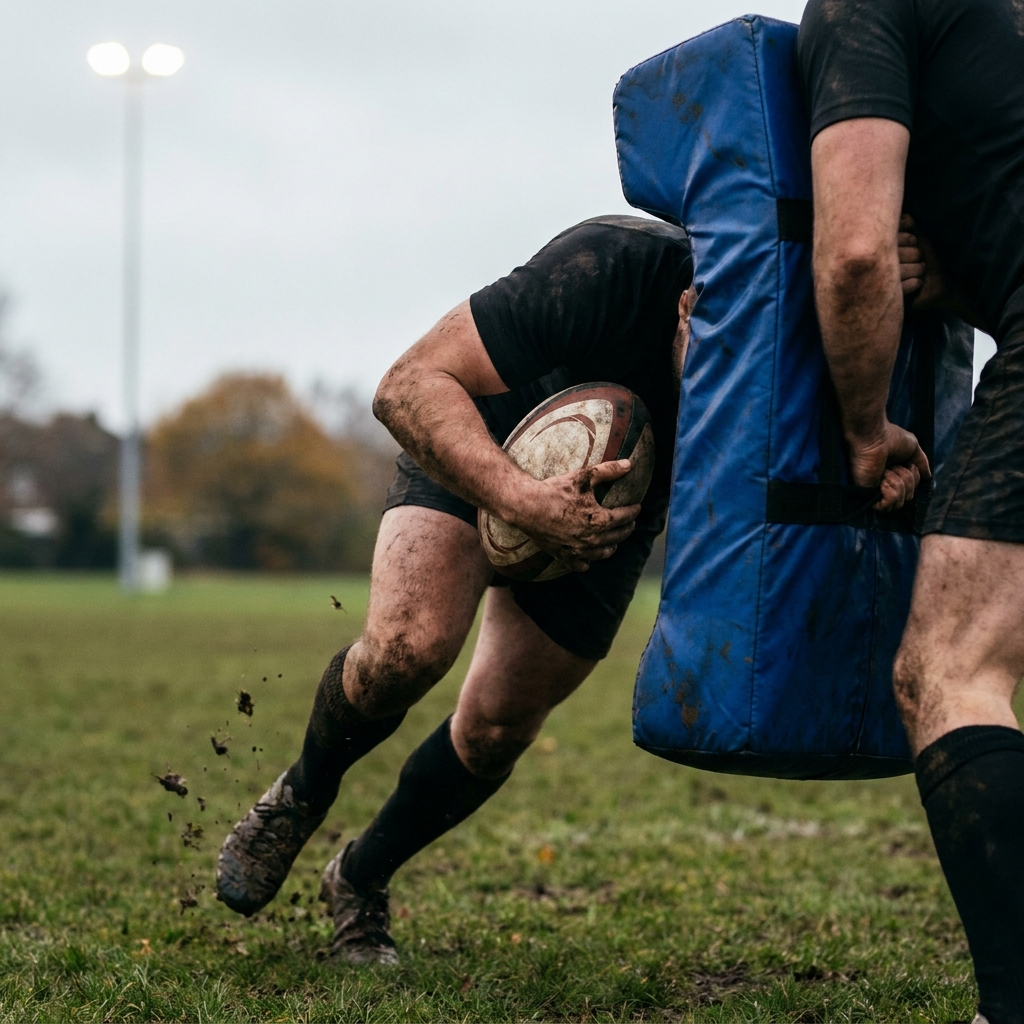
Tacklers are aiming lower, so carriers who dip late put heads at risk. Teach footwork, a strong early body height and leg drive to win the collision safely.
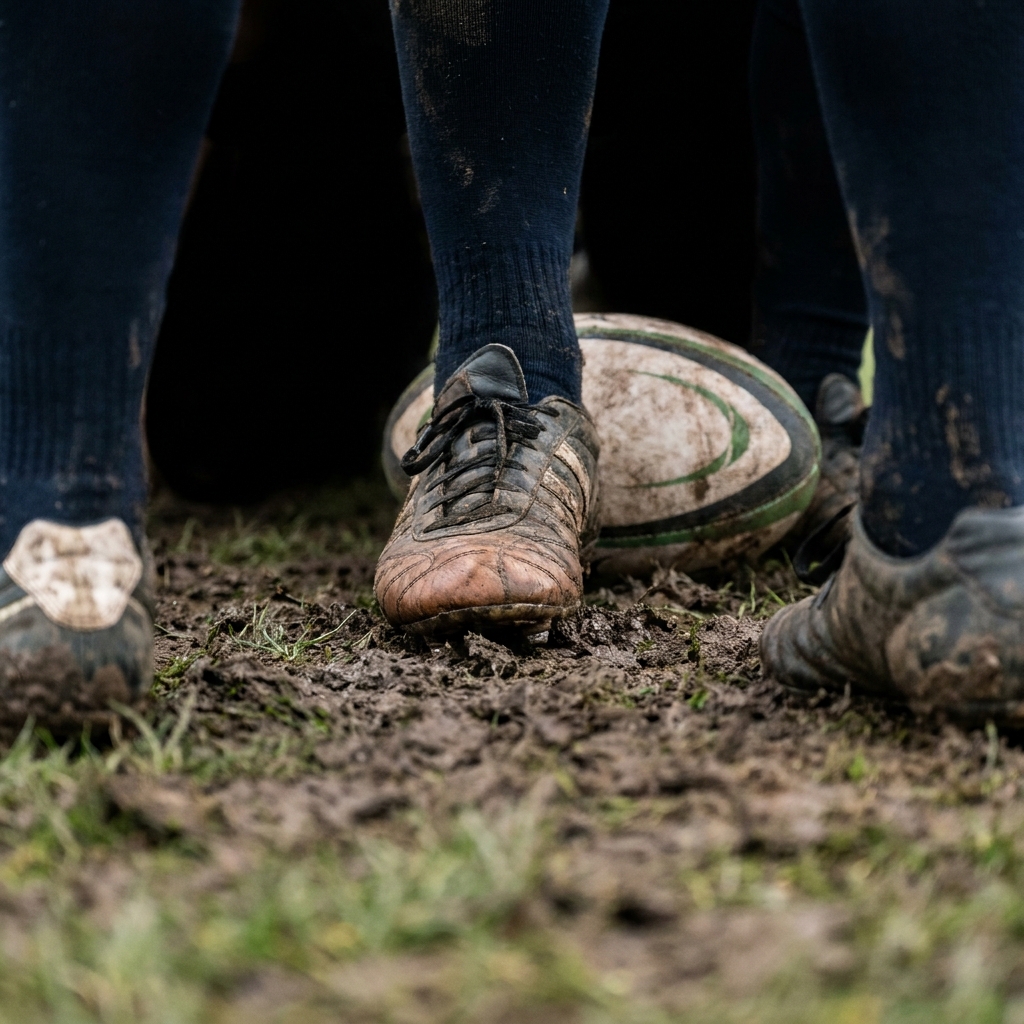
The hooker's brake foot moved from trial into full law in July 2026. Here is how to coach it so your front row stays stable, legal and safe.
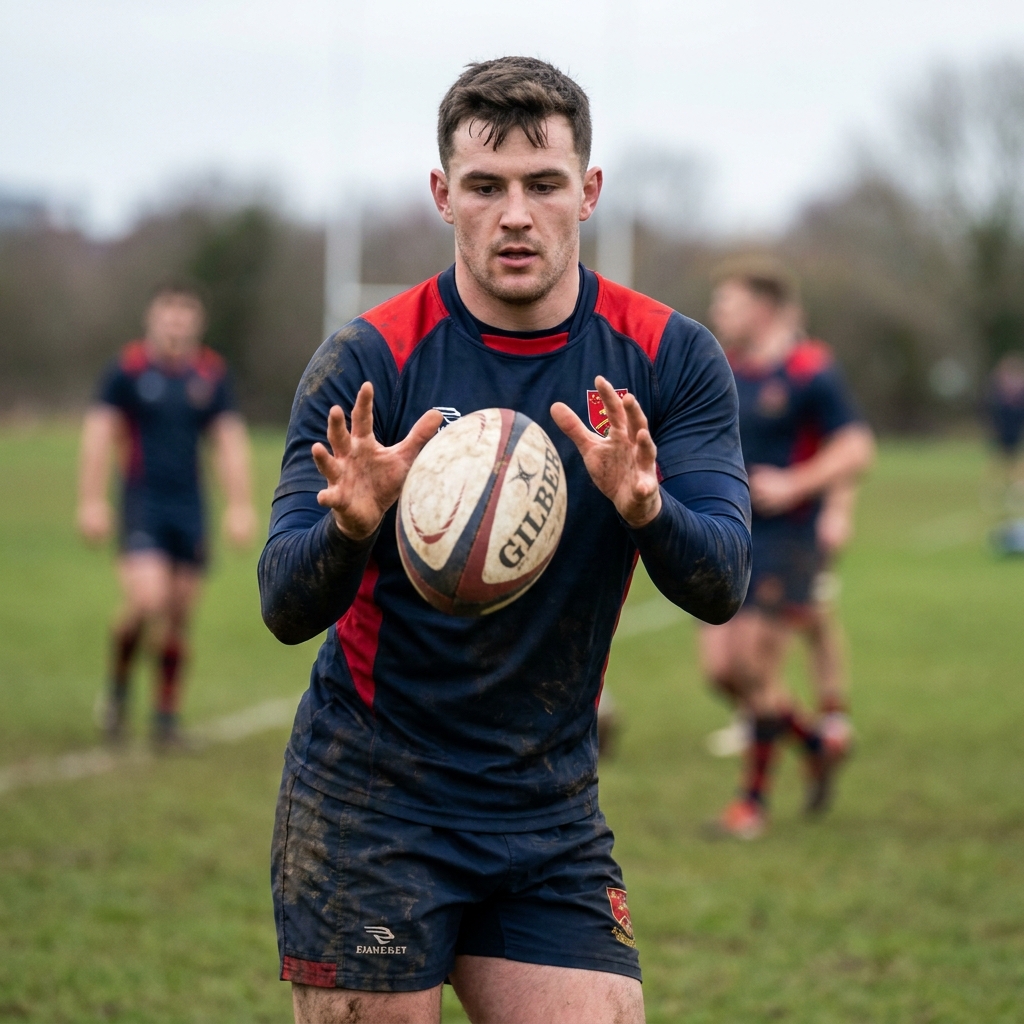
Your players can pass beautifully in a warm-up grid. Then a defender closes, their lungs are burning, and the ball goes to ground. Here is how to build catch-pass skills that hold up when it matters.
Use our expert plans or build your own using our library of over 700+ drills, and easy-to-use tools.
JOIN NOW