TRANSFORM YOUR TEAM'S SEASON WITH PROFESSIONALLY PLANNED SESSIONS
Use our expert plans or build your own using our library of over 700+ drills, and easy-to-use tools.
JOIN NOWI'm working with kids aged 10 and 11. A major problem is getting them to have some sense of position on the pitch. In other words how do I stop them all running after the ball.e

Two things you could try%3A
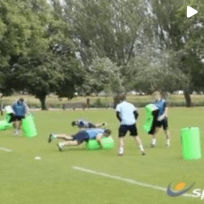
Firstly try doing some drills using channels defined with cones. You can break this down into smaller games with say the backs and the forwards.
Secondly, this may seem obvious, but the best way for kids to understand positional play in rugby is to watch actual live games. The reason I say live games is that the kids can get the full scope of the pitch and players positions. Better still is a good quality, say Premiership - National 1 game where the kids can be in a stand which gives a better overview of the pitch.
Good luck!
France have a good solution....Families.
At a young age the team is broken into 3 families in a team, each family wears a different colour. You tell each family to say in a vertical channel (2 wings and center) and if a player moves out the channel reward a turn over.
It will stop everyone following the ball, maybe the entire family will follow it (but this is good as means a pod is in support).

in more ways than one
 sportplan_rugby

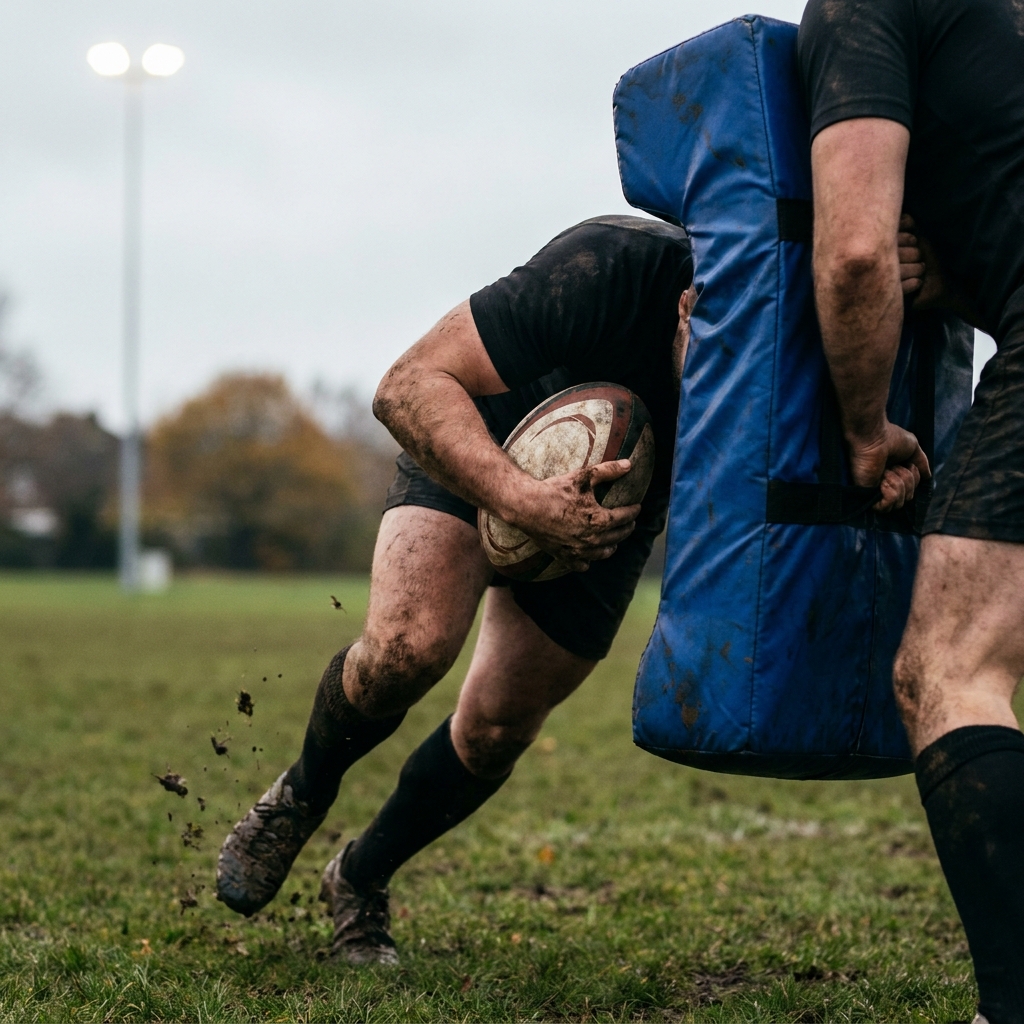
Tacklers are aiming lower, so carriers who dip late put heads at risk. Teach footwork, a strong early body height and leg drive to win the collision safely.
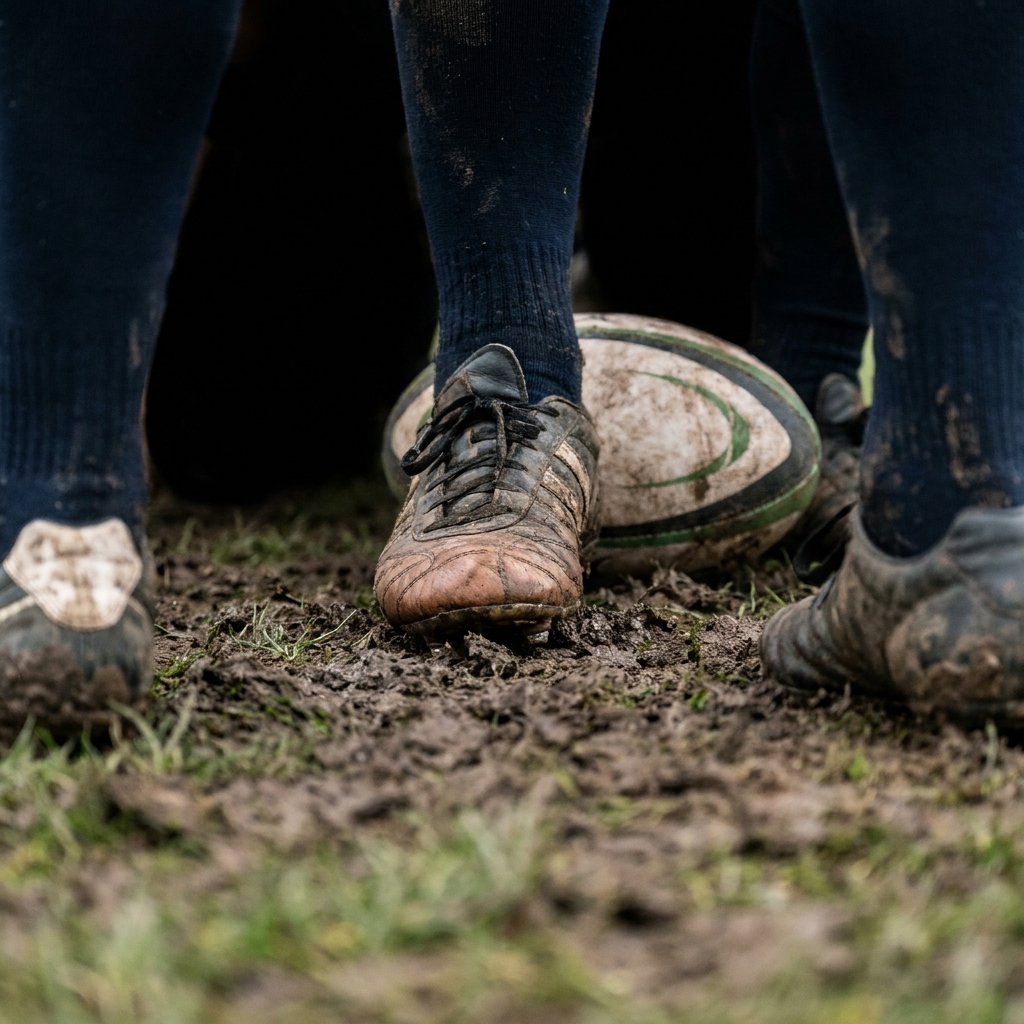
The hooker's brake foot moved from trial into full law in July 2026. Here is how to coach it so your front row stays stable, legal and safe.
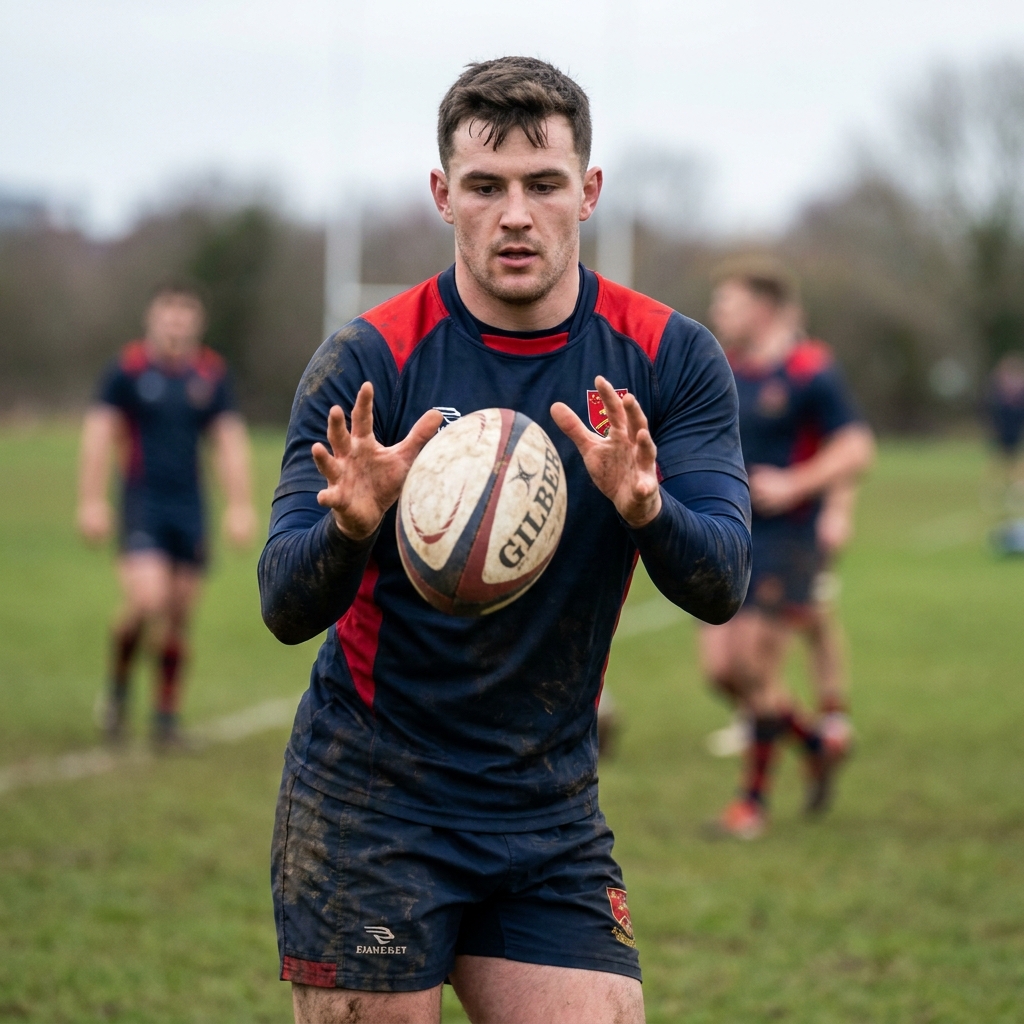
Your players can pass beautifully in a warm-up grid. Then a defender closes, their lungs are burning, and the ball goes to ground. Here is how to build catch-pass skills that hold up when it matters.
Use our expert plans or build your own using our library of over 700+ drills, and easy-to-use tools.
JOIN NOW