TRANSFORM YOUR TEAM'S SEASON WITH PROFESSIONALLY PLANNED SESSIONS
Use our expert plans or build your own using our library of over 700+ drills, and easy-to-use tools.
JOIN NOWFollowing the TV explanation of a referee's decision on an unsuccessful maul from a kick-off, I looked up the following rule (the latest version on the IRB site).
----------------------------------------------------------------------------
17.6 UNSUCCESSFUL END TO A MAUL (h) Scrum after a maul when catcher is held. If a player catches the ball direct from an opponentâs kick, except from a kick-off or a drop-out, and the player is immediately held by an opponent, a maul may form. Then if the maul remains stationary, stops moving forward for longer than 5 seconds, or if the ball becomes unplayable, and a scrum is ordered, the team of the ball catcher throws in the ball.
----------------------------------------------------------------------------
It states "except from a kick-off or a drop-out", but then nowhere can I find what happens IN the case of a kick-off or a drop-out. Does anyone know the answer? The referee's decision and the explanation given on Sky was as though the exception above were not there.

If a maul forms from the kick off/drop-out and does not move forward, a scrum is formed and the put in is awarded to the non kicking side. If a maul forms from a kick in open play and is unsuccessful end, the scrum is awarded to the non catching team. Hope this helps

But that doesn't quite seem to be what the rule states.
Since the excpet is a parenthesis, let's drop it for simplicity; then we have%3A "If a player catches the ball direct from an opponentâs kick and the player is immediately held by an opponent, a maul may form. Then if the maul remains stationary, ... a scrum is ordered, the team of the ball catcher throws in the ball."
You see? It says the catchers team puts after a maul from an ordinary kick caught.

in more ways than one
 sportplan_rugby

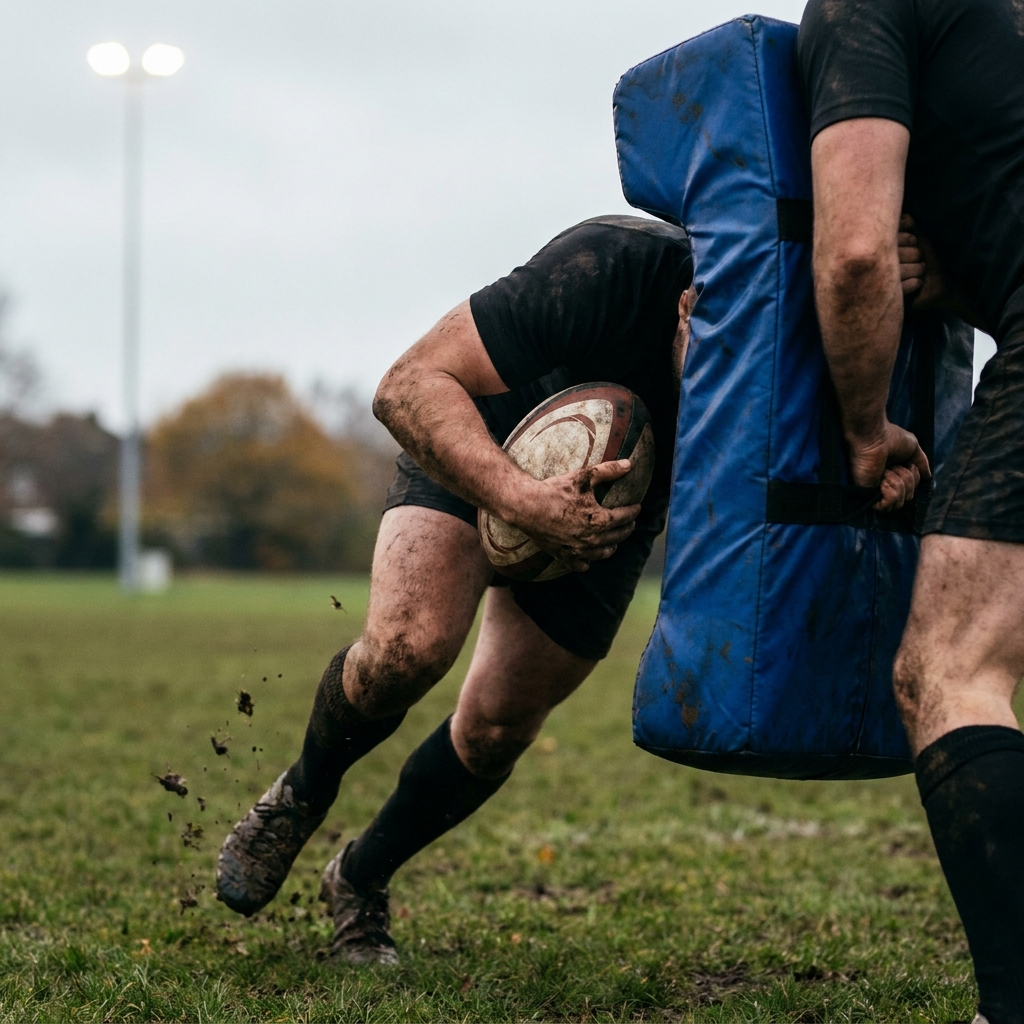
Tacklers are aiming lower, so carriers who dip late put heads at risk. Teach footwork, a strong early body height and leg drive to win the collision safely.
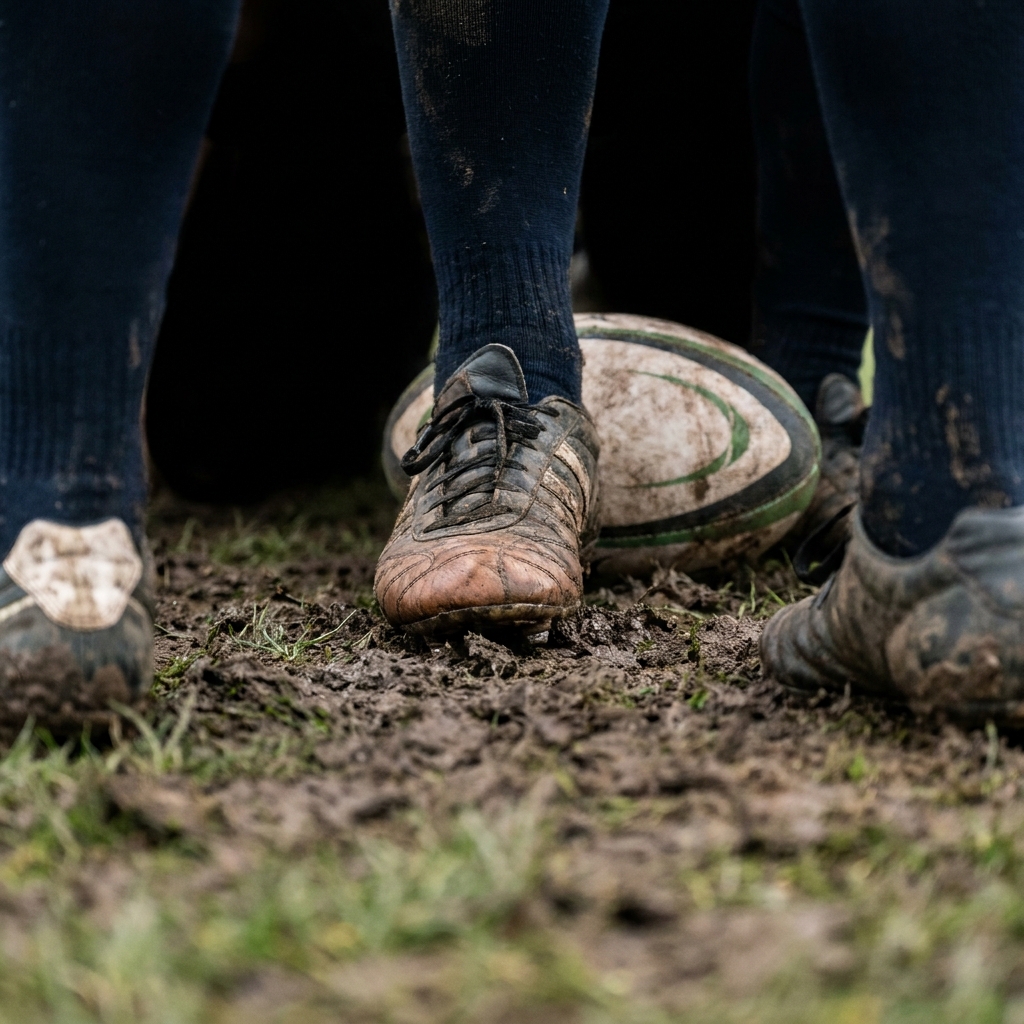
The hooker's brake foot moved from trial into full law in July 2026. Here is how to coach it so your front row stays stable, legal and safe.
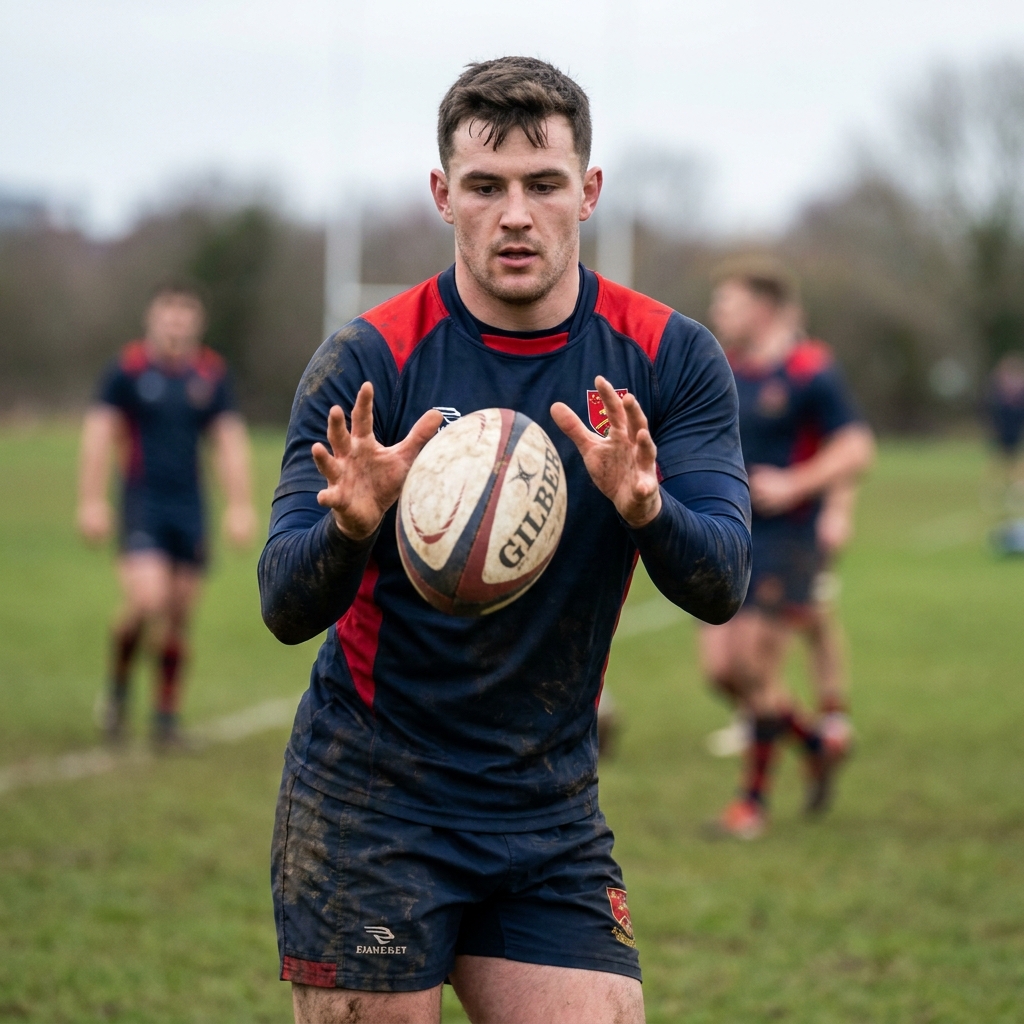
Your players can pass beautifully in a warm-up grid. Then a defender closes, their lungs are burning, and the ball goes to ground. Here is how to build catch-pass skills that hold up when it matters.
Use our expert plans or build your own using our library of over 700+ drills, and easy-to-use tools.
JOIN NOW