TRANSFORM YOUR TEAM'S SEASON WITH PROFESSIONALLY PLANNED SESSIONS
Use our expert plans or build your own using our library of over 700+ drills, and easy-to-use tools.
JOIN NOWWhat tactics can be used when chasing a box kick?
In addition to the blind side wing chasing the kick, what patterns could be used to regain possession or limit counter attacking possibilities?


Paul
I have had different approaches to this depending on the different strengths of the team I have been coaching.
Normally my open side flanker and BSW chase up to put initial pressure on the opp winger. My 10 and Inside center come up in a flat line as secondary defense against them moving the ball infireld and the FB, Outside Centre and OSW cover kick back. The No 8 also would chase but go infield and so would scrum half following own kick. You also have Blind side Flanker chasing up in infield to help 10 and centre.
Good luck with whatever combination you choose!
Simon
Paul
A lot depends on where the box kick has been made and also who made the kick.
If the scrum half has made a box kick from a defensive scrum you will need to get the blind side winger and also the back row (once they have been put onside by the winger) chasing to put pressure on the opposition winger and get him into touch and so regain possession.
If the box kick has been made by the No 10 then again the Blind side winger and also the centers may be the ones you need chasing the kick.
Coaches should use the best resources they have and your quickest runners can be moved into position before the kick is made to chase more effectively.
I hope this helps
Simon
Hi Simon.
Thanks for the helpful reply.
Specifically I was thinking of the SH box kick from the defensive scrum. I am always hearing a kick is only as good as the chase and that teams should plan effective chase patterns but wondered what this meant in practice?
Simplistically we can send up the BSW supported by the back row. We also need to prepare for the the return kick, so the full back can cover touch, with OSW dropping round to play sweeper. My dilemma is then what to do with the mid-field backs. Send them up as a flat line to box in the counter or do I send them after the ball or a combination of both or is there some other magic I'm missing?
Paul
Paul
I have had different approaches to this depending on the different strengths of the team I have been coaching.
Normally my open side flanker and BSW chase up to put initial pressure on the opp winger. My 10 and Inside center come up in a flat line as secondary defense against them moving the ball infireld and the FB, Outside Centre and OSW cover kick back. The No 8 also would chase but go infield and so would scrum half following own kick. You also have Blind side Flanker chasing up in infield to help 10 and centre.
Good luck with whatever combination you choose!
Simon
Simon, I really appreciate your thoughts. It's pretty clear there are different approaches that can be used here and I think I have some good ideas to work with now. Paul

in more ways than one
 sportplan_rugby




Tacklers are aiming lower, so carriers who dip late put heads at risk. Teach footwork, a strong early body height and leg drive to win the collision safely.

The hooker's brake foot moved from trial into full law in July 2026. Here is how to coach it so your front row stays stable, legal and safe.
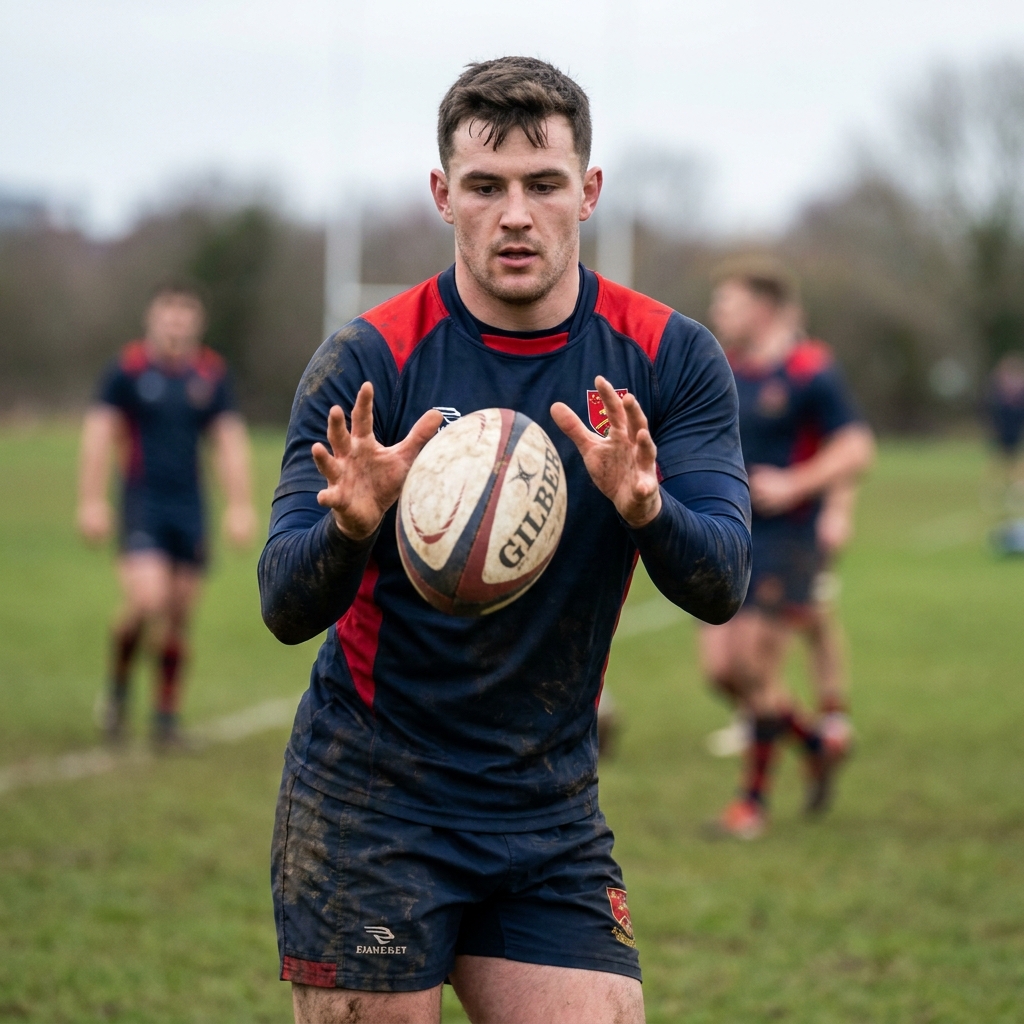
Your players can pass beautifully in a warm-up grid. Then a defender closes, their lungs are burning, and the ball goes to ground. Here is how to build catch-pass skills that hold up when it matters.
Use our expert plans or build your own using our library of over 700+ drills, and easy-to-use tools.
JOIN NOW