Rugby: play

September 2026

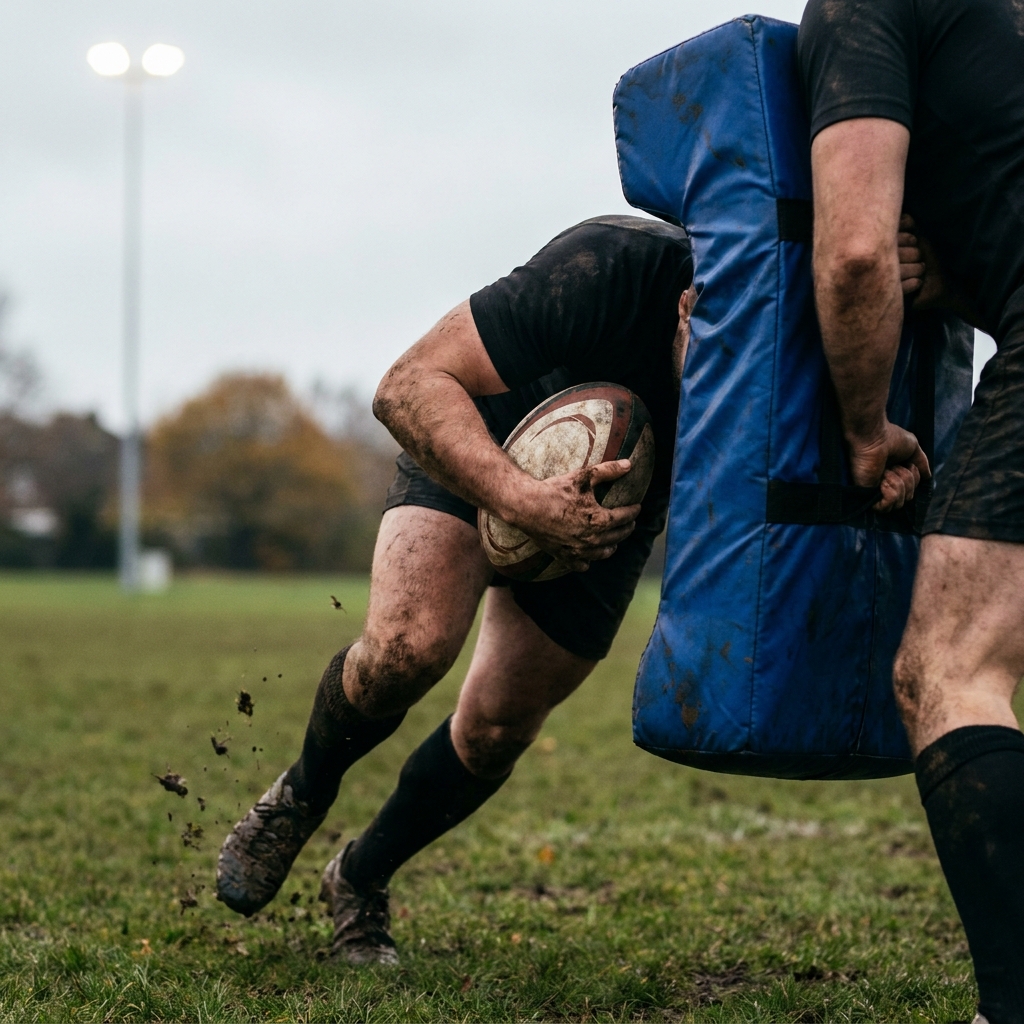
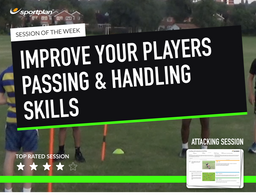
Early season in community rugby has a familiar pattern. The first few matches are full of dropped balls, passes that arrive behind runners, and promising overlaps that die because someone could not catch and give in one movement. It is rarely a lack of effort. It is handling that was learned without pressure, being asked to work under pressure.

The fix is not more passing lines. It is a handful of simple technical habits, drilled until they are automatic, and then deliberately tested against defenders, time limits and tired legs. That applies to your props and second rows just as much as your centres.

Why Handling Breaks Down

Most handling errors come from the same few causes. Hands arrive late, so the ball is caught against the chest and has to be reloaded before it can be passed. The catch is taken beside or behind the body, so the carrier drifts and loses the shape of the line. And players have a strong side, so anything asked of the weaker hand becomes slow and loopy.

Pressure magnifies every one of these. A defender closing the space removes the extra half-second a player was using to tidy up. Fatigue does the same thing more slowly. If the technique needs time, pressure will expose it.

A Five-Step Framework

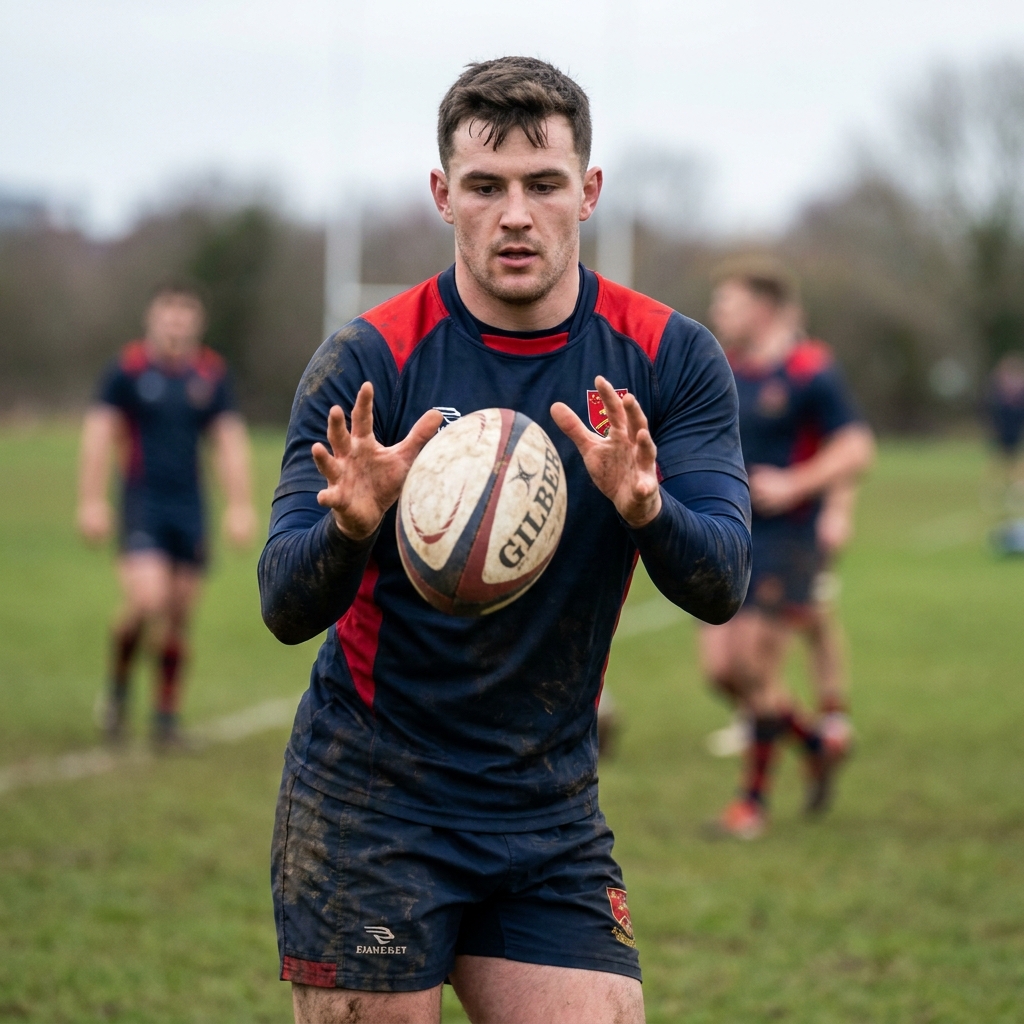
Step One: Hands early. Receivers show a target with both hands up and fingers spread before the ball is passed, not as it arrives. The passer has something to aim at and the catcher is ready to give straight away.

Step Two: Catch in front. Reach for the ball and take it early, away from the body. A catch in front keeps the player running straight and lets them move the ball on without reloading at the hip.

Step Three: Pass off both hands. Build the weaker side on purpose. In every handling block, make sure the ball travels both ways in equal amounts, and coach the same finish: hands following through towards the target.

Step Four: Choose short or long. A short, flat pass keeps a defender fixed and suits tight spaces. A longer pass moves the ball past a defender into space but gives the defence more time to drift. Teach players to look up before they catch so the decision is already made.

Step Five: Keep it simple when tired. Late in a phase or a match, the right pass is often the simpler one. Encourage players to pick a pass they can deliver accurately when their legs have gone, rather than the ambitious one that only works when they are fresh.

How to Train It

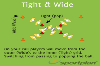
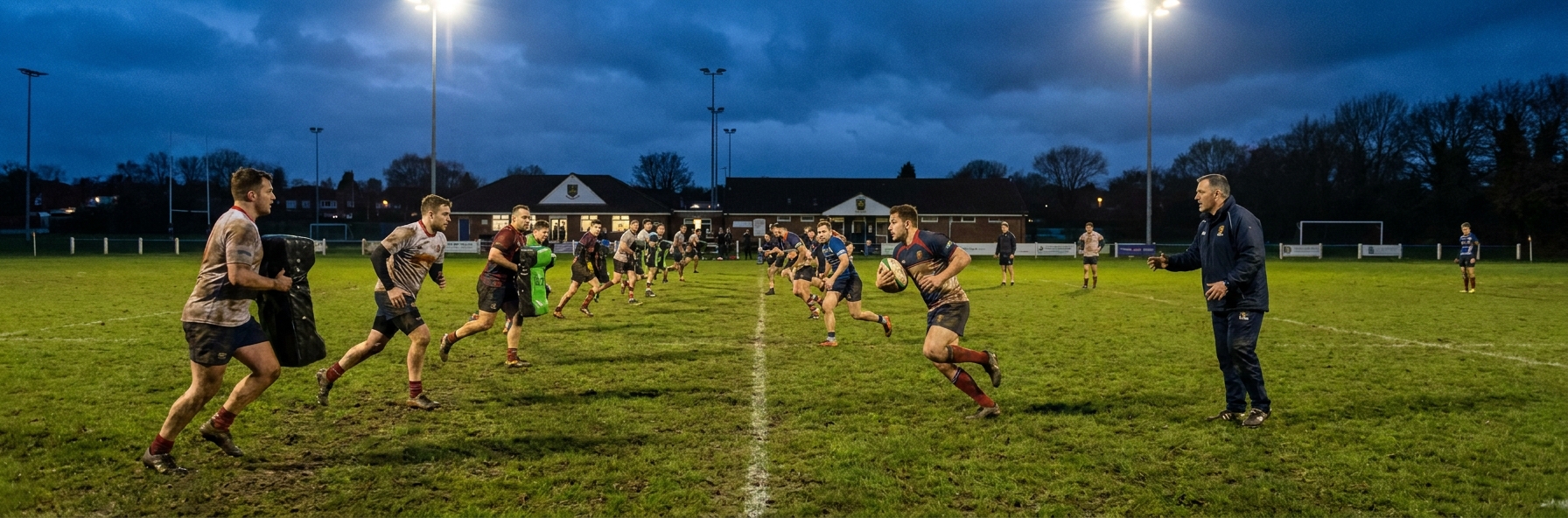
Start with a short technical block where the only focus is hands early and catching in front. Keep it moving and keep the reps high. Then add one form of pressure at a time: a defender who closes, a time limit, or a narrow channel.

Finish with handling under fatigue. Put the passing work straight after a short, sharp conditioning effort, or build it into a continuous game so players have to catch and pass while breathing hard. For forwards, make the passes short, flat and close to contact, because that is where they will need them.

Key Coaching Points

  • Show hands early as a target before the pass is thrown, not as the ball arrives.
  • Catch the ball in front of the body so there is no need to reload before passing.
  • Give the weaker hand equal work in every handling session, for backs and forwards.
  • Look up before the catch so the short or long decision is made in advance.
  • Add pressure one layer at a time: a defender, then time, then fatigue.
  • When players are tired, reward the accurate simple pass over the ambitious one.

Recommended Drills

VIEW ALL PASSING DRILLS

Frequently Asked Questions

My forwards say passing is a job for the backs. How do I get them to buy in?

Show them where the ball goes to ground in your matches. Most community sides lose possession close to the ruck, not out wide. Keep forwards' handling work short, flat and near contact so it feels like their game, and they will see the point quickly.

Should I teach the spin pass to everyone?

Not before the basics. A spin pass is useful for distance, but a player who cannot catch in front and give a flat pop pass off both hands will not benefit from it. Build accurate short passing first, then add the spin pass for players who need the range.

How much handling should we do in a session?

A little and often works better than one long block. A short technical focus in the warm-up, handling built into your games, and a pressured practice near the end when players are tired will do more than twenty minutes of static passing lines.

play DRILLS
View All
Unfortunately there were no results for your search! Please try again
play SESSIONS
View All
play ANSWERS
View All

Off side in general play. Can ...

Off side in general play. Can anyone explain this better as it seems to be a bit ambiguous. When are you off side in general play? Rugby Unoin.

Karen Thornton Coach, England

Is Bridging Illegal?

Simon My son's PE teacher has told him that Bridging is lieegal for the U13 to U19 group. His Club coach has been encouraging its use in games for two seasons. I can see some of the dangers but also the advantages Who is right is it banned or can it be used? Paul submitted by email

Archived User Coach

New rules... how best to take long corners ?

Given the lovely new rules... Can you suggest how to coach a team taking long corners. No player can be 5 yards from player taking the long corner - So creating a 2v1 now is impossible. How do you coach this ? Thanks

Grant Hunt Coach, United Kingdom

I coach Under 11's I have two players that do all the right things in training but when the game starts they will not pass. They do score tries but I think we could score more if they passed. What can I do? Gary SWales

Ask a question and have it answered by Coaches from around the world and Sportplan's team of Experts.

Gary Grant Coach, Wales

My son has played all season U9's on the wing and has?

My son has played all season U9's on the wing and has now be brought into a inside centre role. What are the key differences he needs to make to be successful in his new position

Archived User Coach

what are the rules of tag rugby?

what are the rules of tag rugby?

Chris Mason Coach, England

On the kickoff, the ball bounces over the touchline?

On the kickoff, the ball bounces over the touchline before it goes 10m. What is the following action or possible choices of action?

Archived User Coach

At a recent u12's match, the home ref, who is also?

At a recent u12's match, the home ref, who is also a L2 coach penalized the hooker for foul play. At the end of the match at the debrief, the ref said to the hooker in front of his peers that he would have sent him off if there had been any subs. Is this against the guidelines of the child protection and did he dip out of his duties as a ref. What are your thoughts? Gary SWales

Gary Grant Coach, Wales

Does anyone know of an assessment for U10's

We have a large squad and need a transparent way to assess our players to justify the team selection - does anyone know of, or use an assessment tool to assess skills in this age group?

Archived User Coach

First time coaching U9 and U10s - anyone got any backline coaching tips?

Hi im a first time coach and is still getting the hang of how the technical details of the game works the back line is my department and whould like any help i can get to know what drills to do and anything helpfull in the backline im currently coaching for the under 9 and 10

Archived User Coach

Can I and should I coach basic tackle skills to U8s?

Does anyone have a definitive answer to this question%3A can I coach basic tackling skills to U8s now, in preparation for next season, without falling foul of any RFU rules or regulations? Hugo

Hugo Norton-Taylor Coach, England

Any tips / drills to teach my team to support the No. 8?

Any tips / drills as to what rest of team can do to support so No 8 doesn't charge ahead and get isolated.

Archived User Coach

Foul play in a rugby game
2An in-goal player catches the ball from an opponent's kick and touches it down. That player is then late tackled. What actions are available to the referee? Asked using Sportplan on Mobile

Archived User Coach

At u11 level can the scrum half run from the back of a scrum

I think a pass has to be made from the back of a maul or ruck but I am not clear about the rules at the scrum .

Mike Hancox Coach, England

U11 kick off/ knock on.

I have read U11 RFU rules but would like clarity on the kick off/re-start. If the ball is knocked on at the re-start is it a/ a scrum put in to the team that knocked on, b/ play continues or c/ scrum put in to attacking team? Thanks for any help.

R Nunn Coach, England

Offside confusion - I have bee...

Offside confusion - I have been coaching mini rugby in Scotland for just over a year and had just got used to the idea that the ball is the off side line. Now under the new SRU law variations it is the same as the adult game. Can someone assist with the follwing scenario - A defender comes forward to tackle the ball carrier. The ball carrier side steps the defender and carries on going forward. The defender turns to give chase only to find that the ball carrier has passed the ball backwards across his path in attempt to reach his team-mates. If the defender catches the ball is he off-side? Would the answer to this question change if the defender was on the right side of the ball at the time the interception was made even though he was beyond the ball carrier at the time which the pass was made?
Archived User Coach

im coaching the under 6's how ...

im coaching the under 6's how do i keep them interested in the game

Archived User Coach

how do you coach aggression? |...

Ask a question and have it answered by Coaches from around the world and IRB Educators.

Ed Burns Coach, Ireland

How do I coach women the game ...

I just finished my collegiate rugby career. I feel inspired I would love to coach rugby to women in countries that have a lower popularity of women's rugby. How do I get started?
Archived User Coach

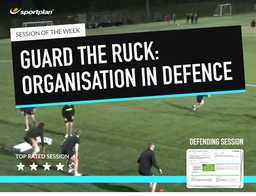
U10s organisation in defence. ...

I have started an under 10s team up, and I would say about 8 from the 13 children I have , did not play rugby until about 6 months ago. Of these players, there seems to be a lot of potential, as we are scoring tries against teams, that very rarely concede tries.the problem I got with them, is that we are very poor at organising our selves in defense when the opposition has the ball, which does result in us conceding quite a few tries. We have some very good tacklers in the team. Can anyone offer some ideas on how I can get them to organise themselves? Thanks . Chris.

christopher jenkins Coach, Wales

JOIN SPORTPLAN FOR FREE

  • search our library of 1100+ rugby drills
  • create your own professional coaching plans
  • or access our tried and tested plans

Sportplan App

Give it a try - it's better in the app

YOUR SESSION IS STARTING SOON... Join the growing community of rugby coaches plus 1100+ drills and pro tools to make coaching easy.
LET'S DO IT