The missile knows where it is at all times. It knows this because it knows where it isn`t. By subtracting where it is from where it isn`t, or where it isnât from where it is, it obtains a difference or deviation. The guidance subsystem uses deviations to generate corrective commands to drive the missile from a position where it is to a position where it isn`t and arriving at a position that it wasn`t, it now is. Consequently, the position where it is is now the position that it wasn`t, and it follows that the position that it was is now the position that it isn`t. In the event that the position that it is in is not the position that it wasn`t, the system has acquired a variation. The variation being the difference between where the missile is and where it wasn`t. If variation is considered to be a significant factor, it too may be corrected by the GEA. However, the missile must also know where it was. The missile guidance computer scenario works as follows: Because a variation has modified some of the information that the missile has obtained, it is not sure just where it is. However, it is sure where it isn`t, within reason, and it knows where it was. It now subtracts where it should be from where it wasn`t, or vice-versa. And by differentiating this from the algebraic sum of where it shouldn`t be and where it was, it is able to obtain the deviation and its variation, which is called error.
This practice has no coaching points
This practice has no progressions
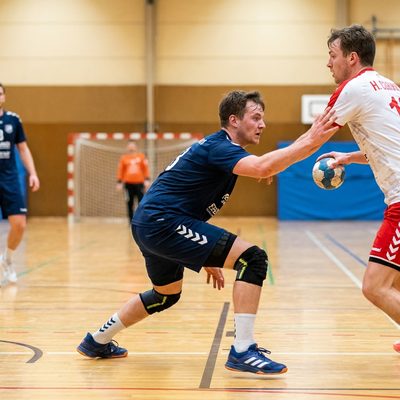
Most 1v1 battles are lost before contact. Teach defenders patience, footwork and timing and individual defending stops being a liability.
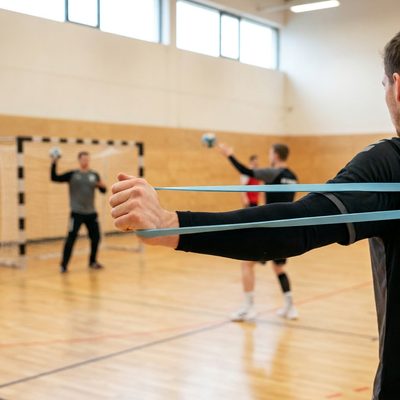
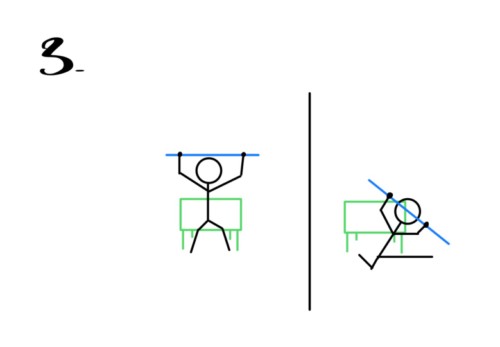
As indoor leagues get back into full swing this November, throwing volume climbs fast. A few minutes of shoulder care in every warm-up is the difference between a healthy season and a lost one.
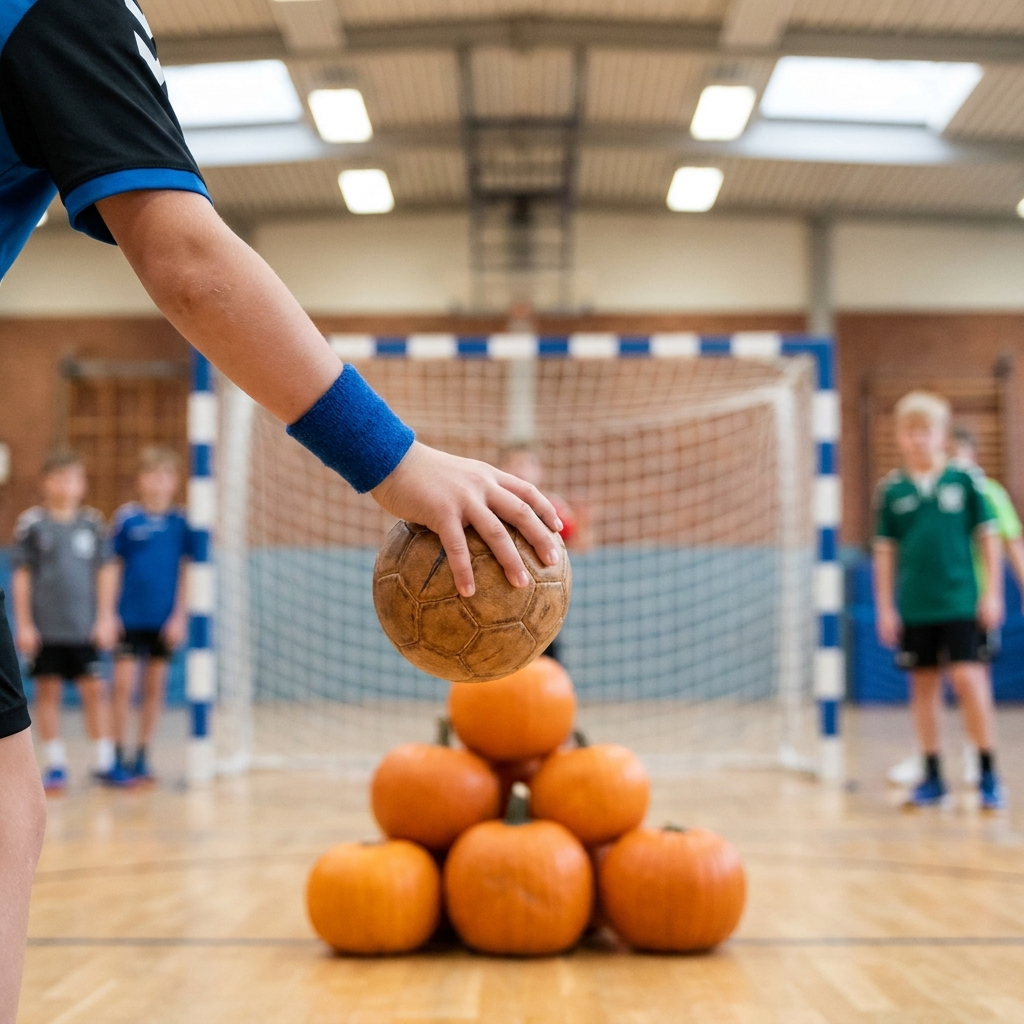
A ready-to-run Halloween handball session for juniors: spooky warm-ups, verified drills and a small-sided game finale.


Register for FREE and get coaching tips, top drills, session and more every week!