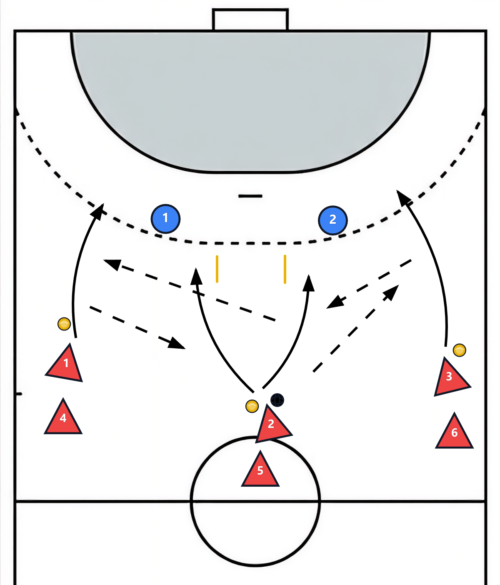
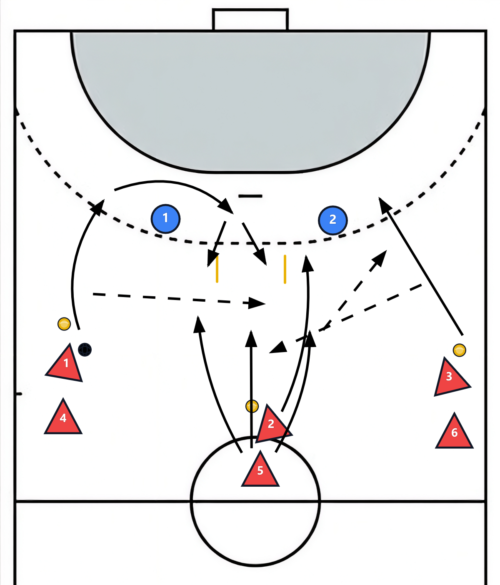
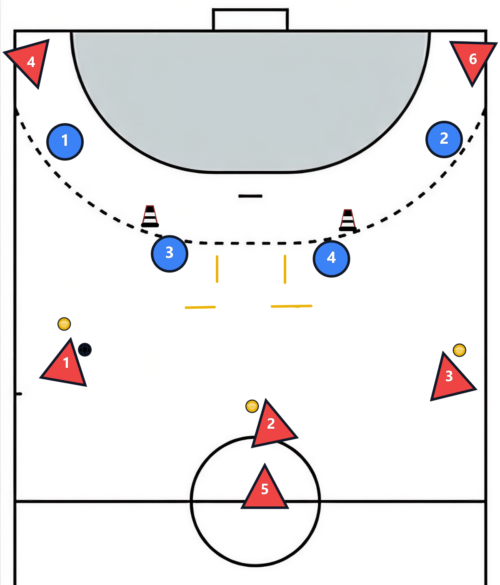
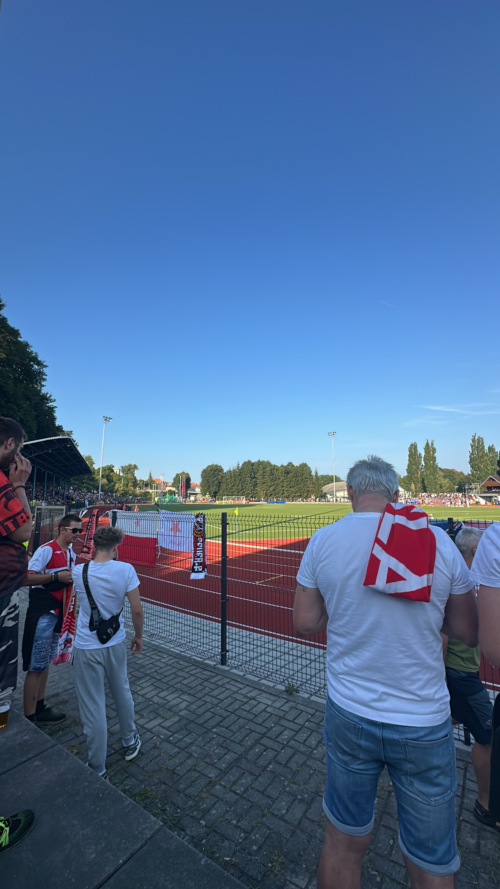
Progresión rápida mediante pases indirectos largos. Se ponen pasillos paralelos a las lÃneas laterales, 5 m de ancho. Se compite por parejas que deben progresar desde una lÃea a otra mediante pases indirectos, manteniéndose a uno y otro lado del pasillo. Dos reglas esenciales: el pase debe efectuarse desde el lugar en que el balón ha sido controlado y, cuando un pase no se recepciona o si se produce más de un bote (por falta de fuerza) HAY QUE VOLVER A EMPEZAR. El objetivo es conseguir el recorrido en una sola secuencia.
This practice has no coaching points
This practice has no progressions
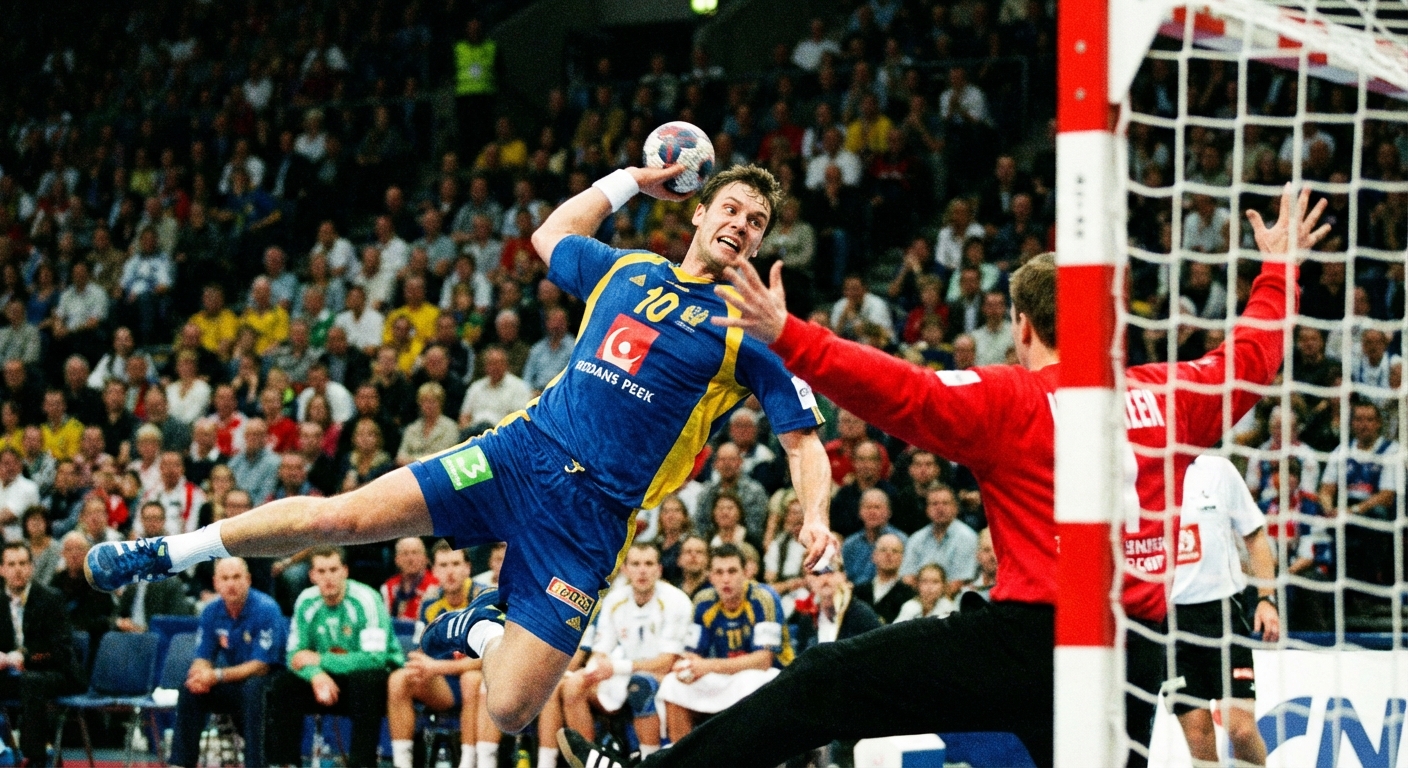
Wing players operate in the most demanding shooting position on a handball court, where acute angles and a close goalkeeper make finishing a specialist skill. This article breaks down the technique, decision-making, and training progressions that coaches need to develop elite wing finishing.
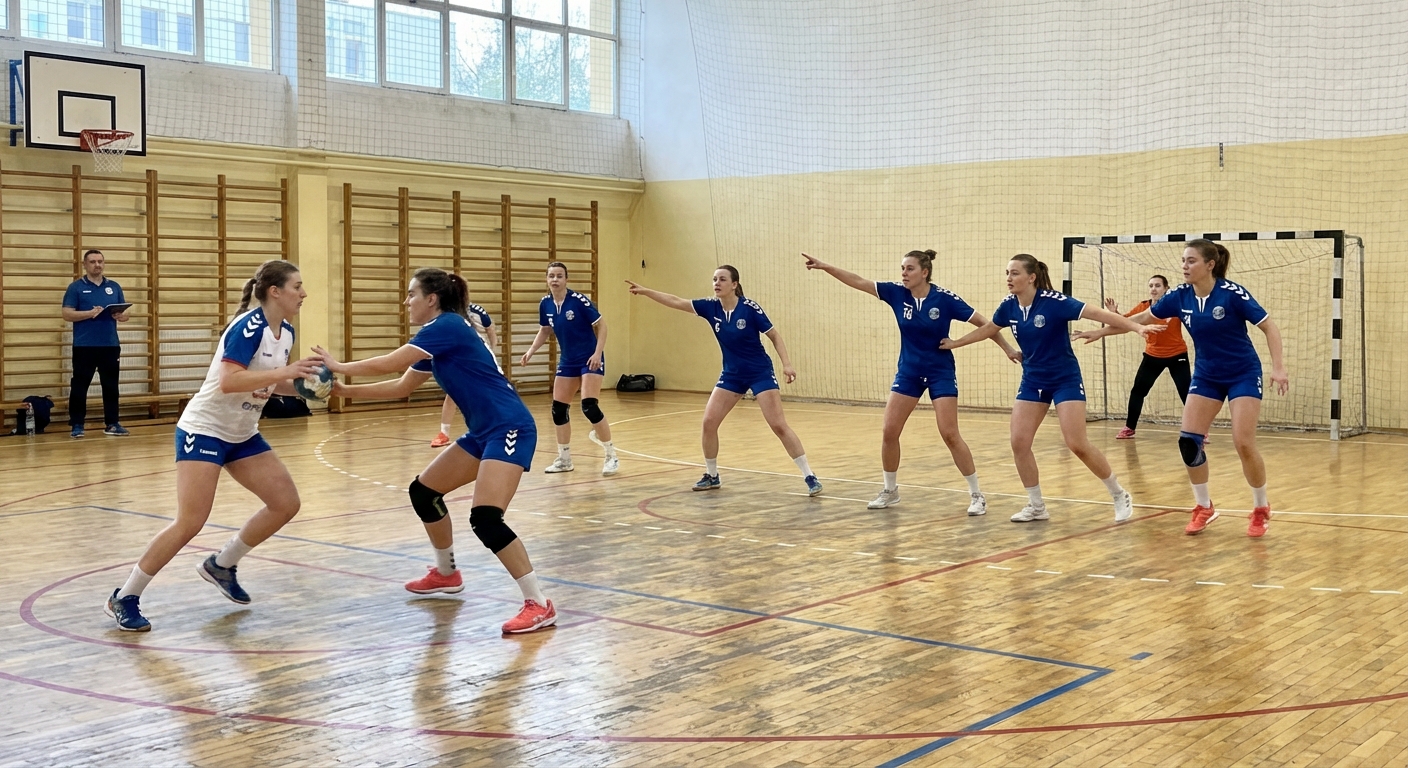
The transition from attack to defence is the most vulnerable moment in handball. This article examines the 3-second recovery principle, the specific roles players must adopt during transition, and the training scenarios that build a team's ability to recover defensive shape under pressure.
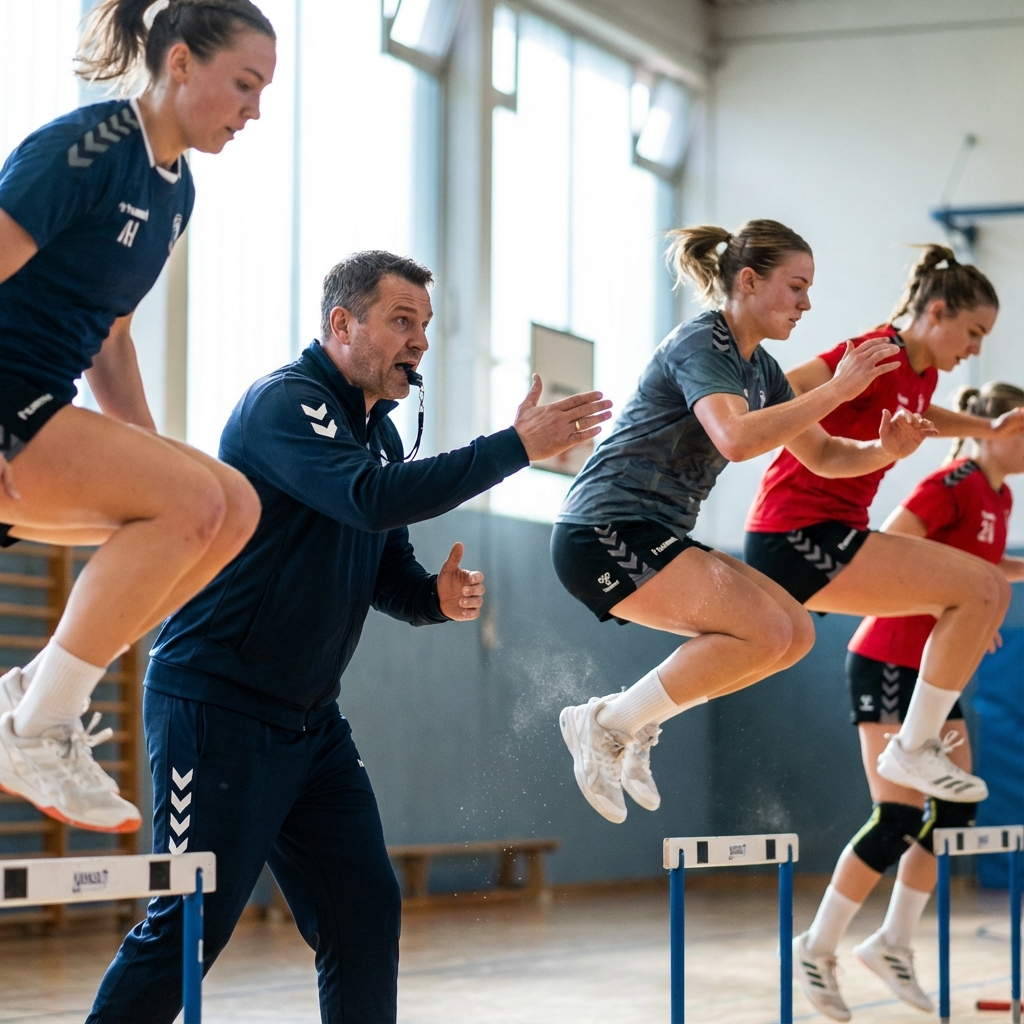
Handball demands explosive power, repeated sprint ability, and the strength to compete physically for 60 minutes. Sport-specific conditioning develops the athletic qualities that underpin elite performance.


Register for FREE and get coaching tips, top drills, session and more every week!