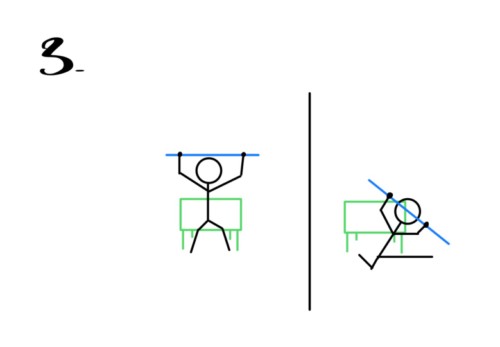
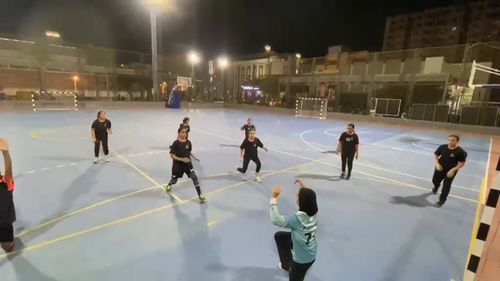
Players to get into pairs with a ball between them. Players will be stood opposite one another (about 5m to start) and pass the ball between them. They will use the following technique to pass the ball accurately and control it when recieving. Coaching Points: Recieving - Have hands in a `W` shape, which will allow students to get hands on both sides of the ball. Hands should be at chest level. Eyes must always be watching the ball when it is travelling. Passing - Grip the ball using the `W` shape. Have the ball at chest height and push it all the way through so arms are fully extended. Having the arms fully extended will act as the aim for where players what the ball to finish. The ball should be travelling to the opposite players chest.
This practice has no coaching points
This practice has no progressions
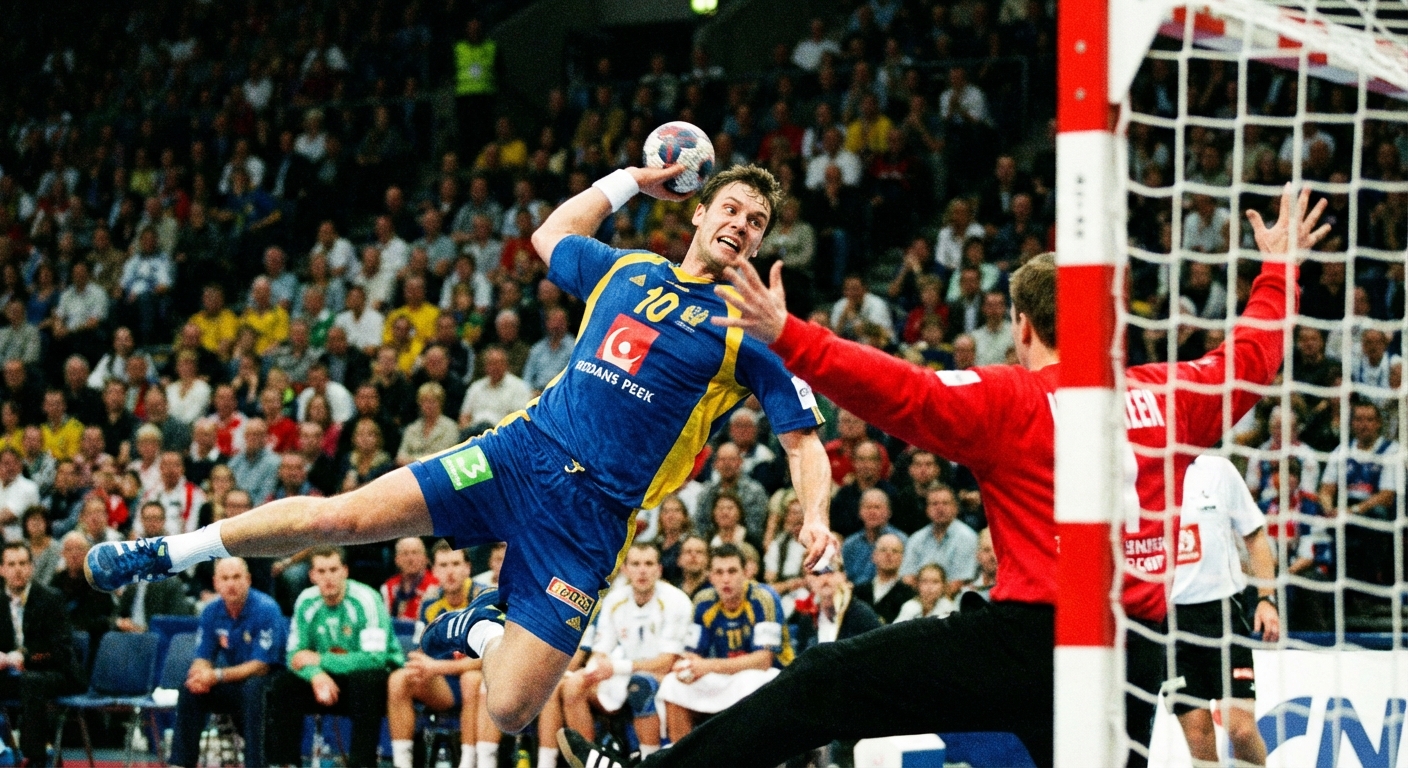
Wing players operate in the most demanding shooting position on a handball court, where acute angles and a close goalkeeper make finishing a specialist skill. This article breaks down the technique, decision-making, and training progressions that coaches need to develop elite wing finishing.
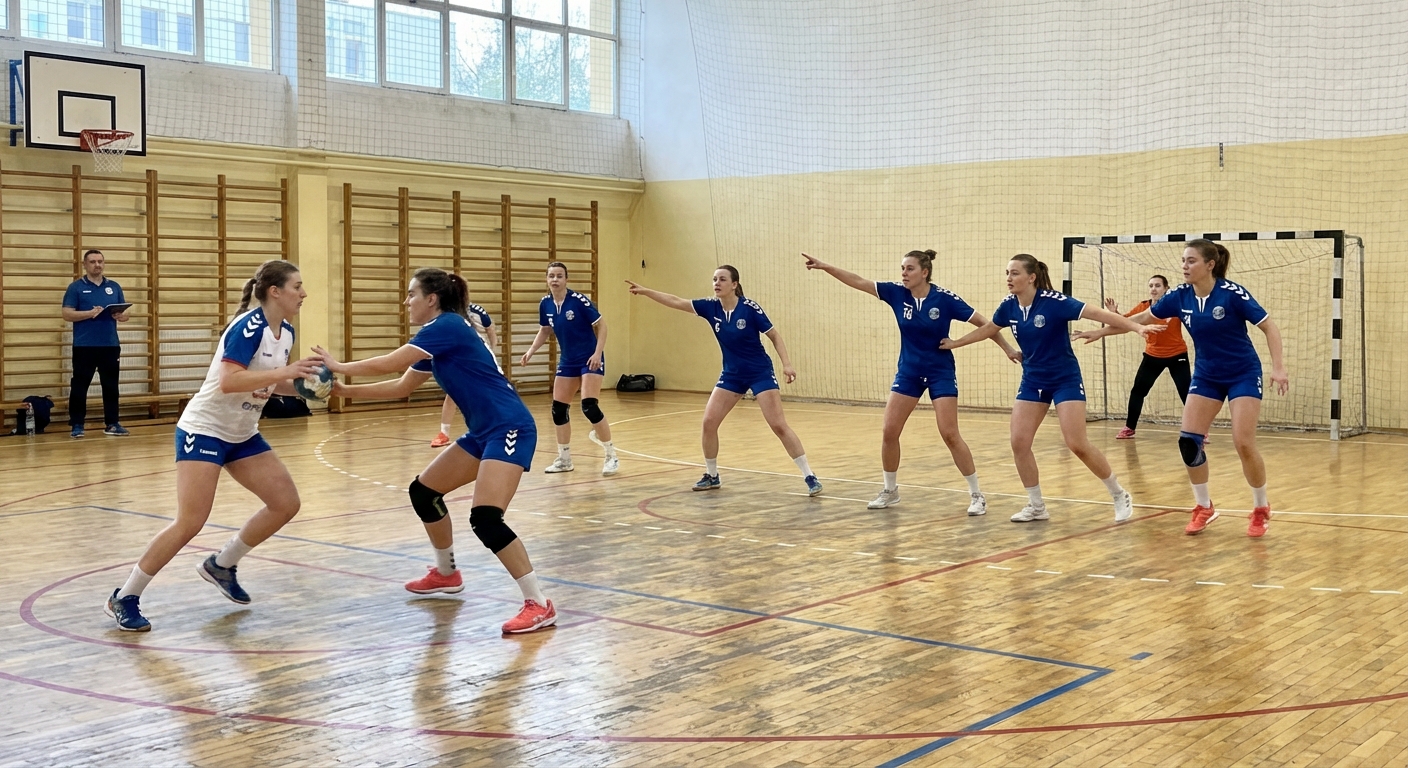
The transition from attack to defence is the most vulnerable moment in handball. This article examines the 3-second recovery principle, the specific roles players must adopt during transition, and the training scenarios that build a team's ability to recover defensive shape under pressure.
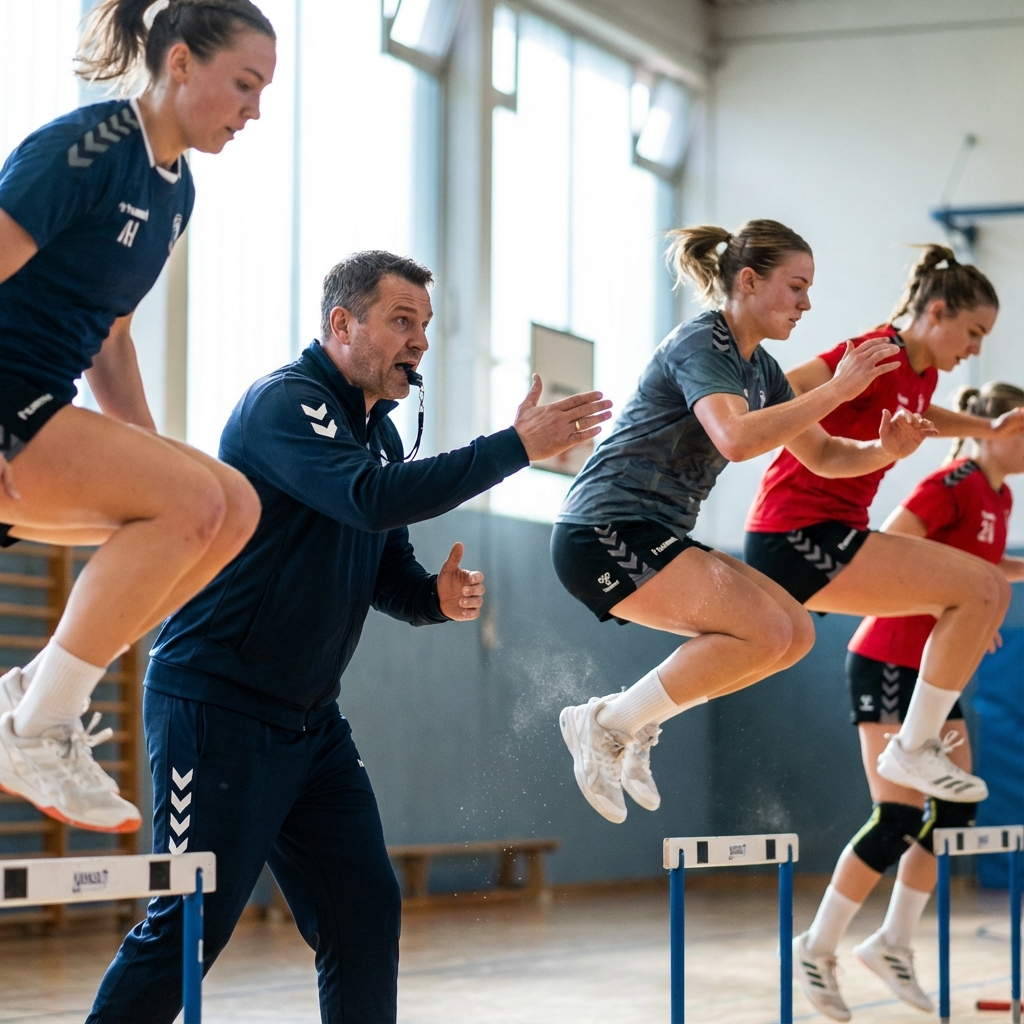
Handball demands explosive power, repeated sprint ability, and the strength to compete physically for 60 minutes. Sport-specific conditioning develops the athletic qualities that underpin elite performance.


Register for FREE and get coaching tips, top drills, session and more every week!