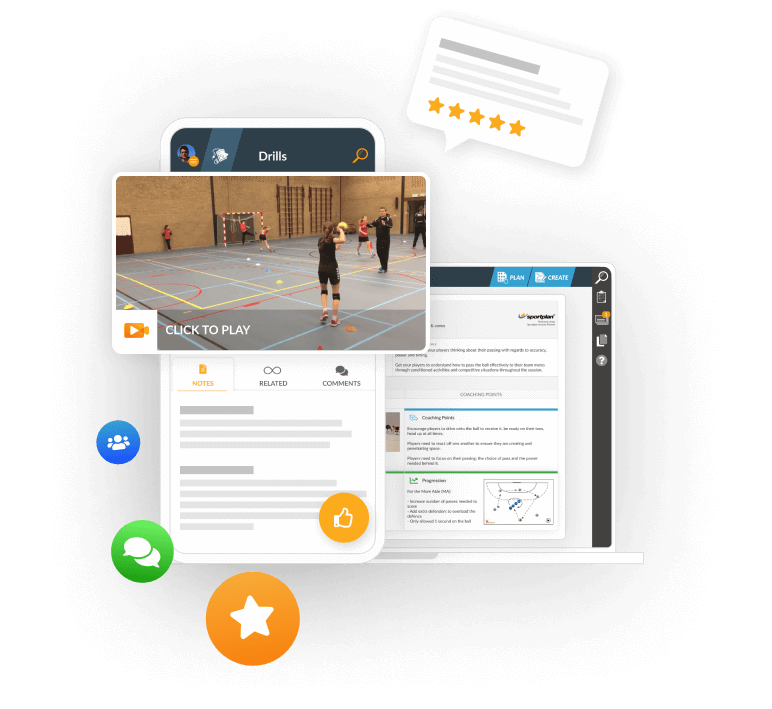
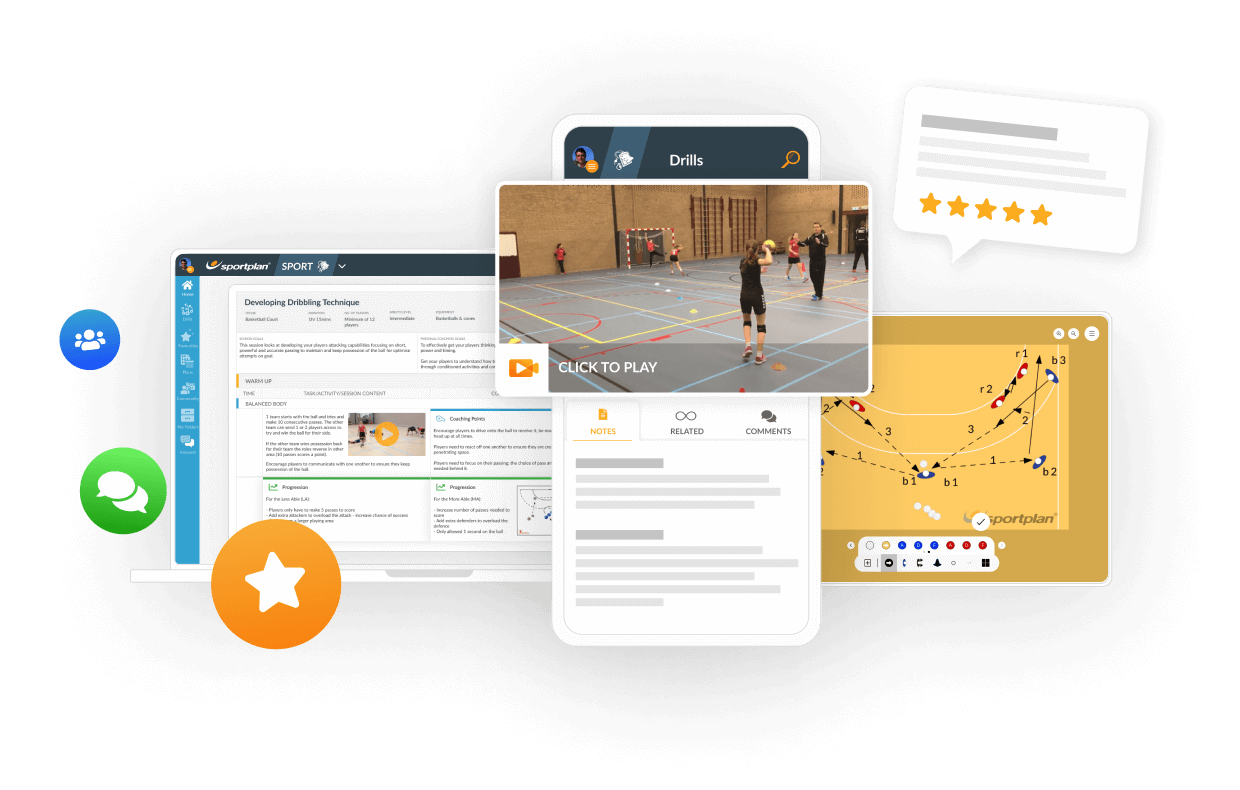
- Spieler stoÃen gerade auf das Tor - nach der Ballannahme Verlagerung nach auÃen, 1x Tippen ist erlaubt - AIM-Position einnehmen - Ball auf die andere Seite, dem Mitspieler in die Vorwärtsbewegung - rückwärts, auÃen zurück und auf der anderen Seite anstellen
- Rhythmuswechsel: nach der Ballannahme, nach auÃen schneller werden - möglichst groÃer Raumgewinn soll in die Breite erzielt werden (3 Schritte-> Tippen-> 3 Schritte) AIM-Position: - Blick zum Tor - Arm oben - Zehenspitzen zum Tor - immer das "richtige" Bein vorne - Gewicht ist über dem vorderen Bein - Wurfarmschulter ist hinten - Erst nach Ballabgabe rückwärts bewegen - wenn als Rechtshänder auf rechts: linkes Bein trotzdem vorne und auf dem FuÃballen drehen
This practice has no coaching points
This practice has no progressions
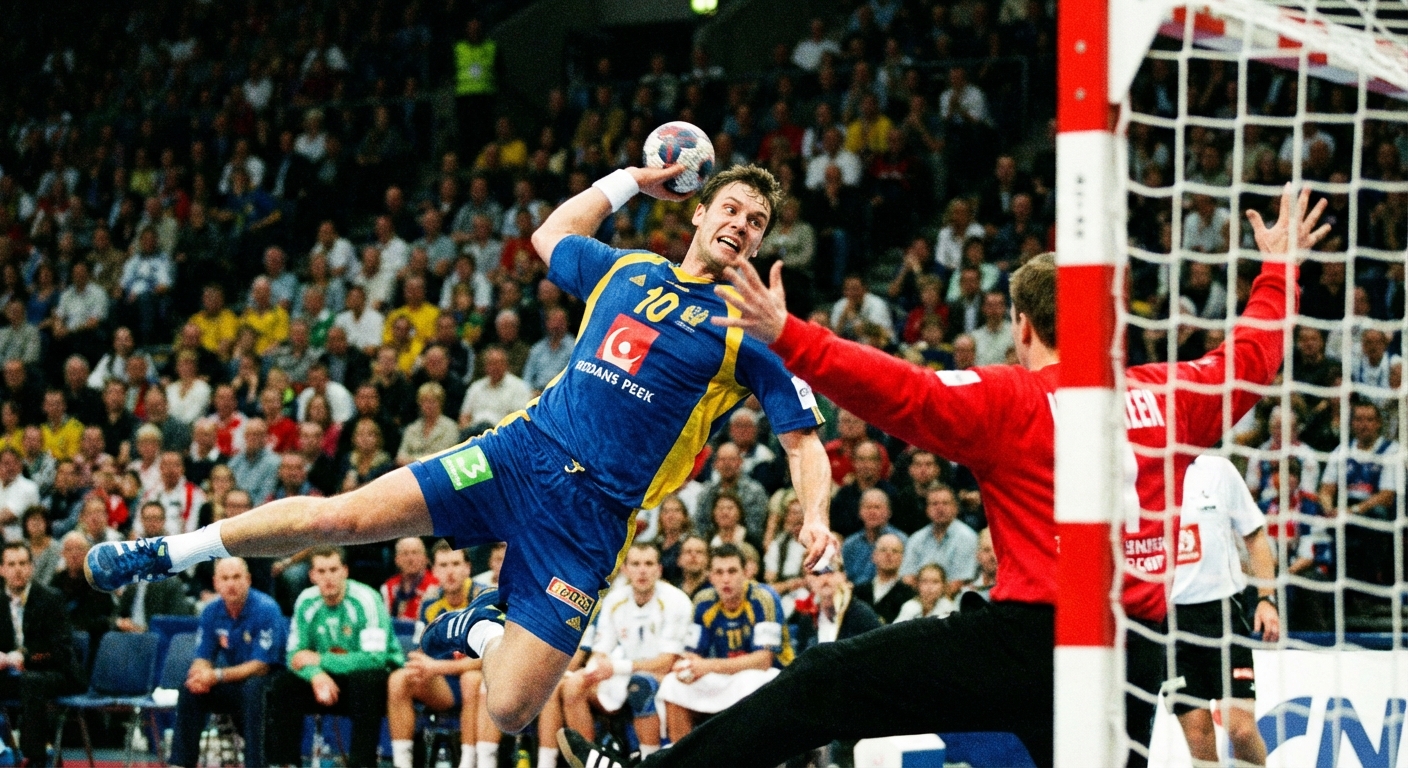
Wing players operate in the most demanding shooting position on a handball court, where acute angles and a close goalkeeper make finishing a specialist skill. This article breaks down the technique, decision-making, and training progressions that coaches need to develop elite wing finishing.
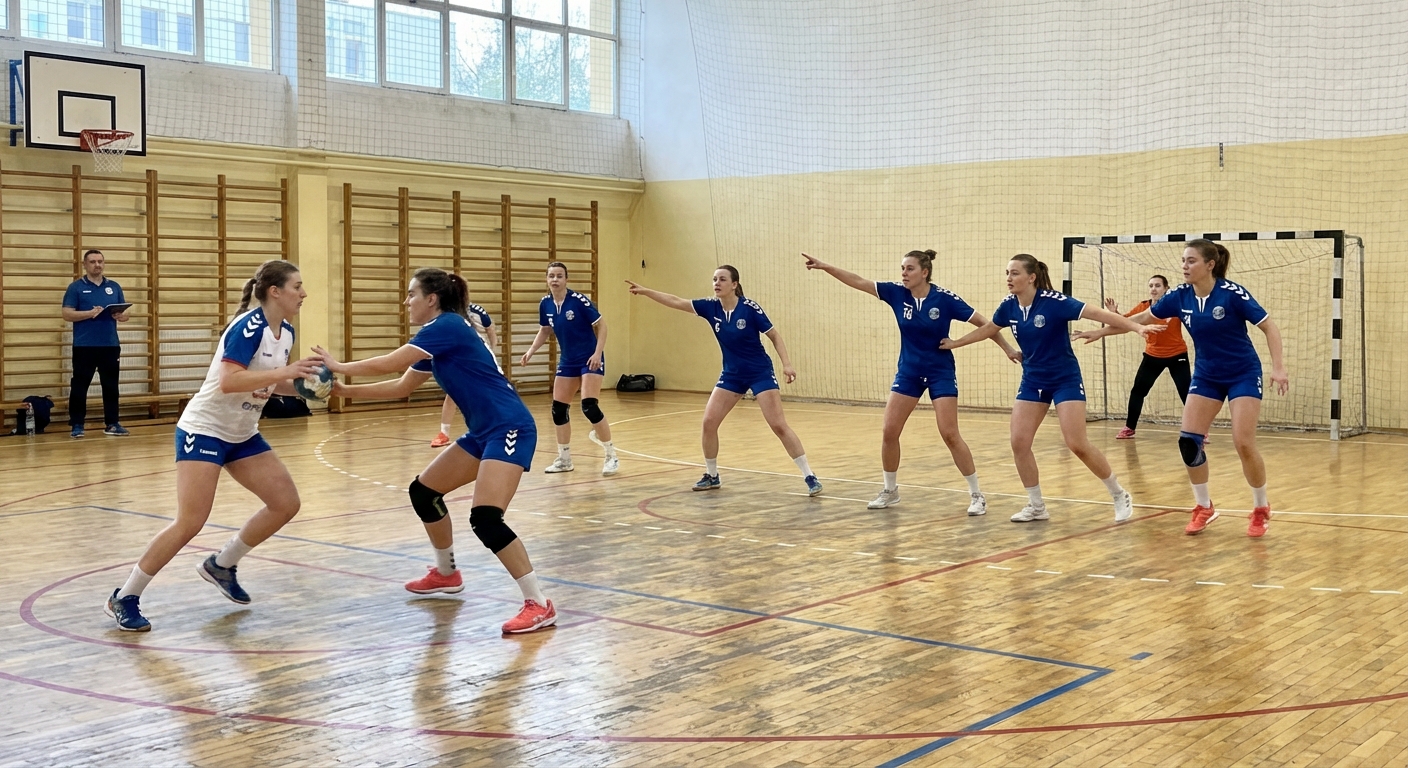
The transition from attack to defence is the most vulnerable moment in handball. This article examines the 3-second recovery principle, the specific roles players must adopt during transition, and the training scenarios that build a team's ability to recover defensive shape under pressure.
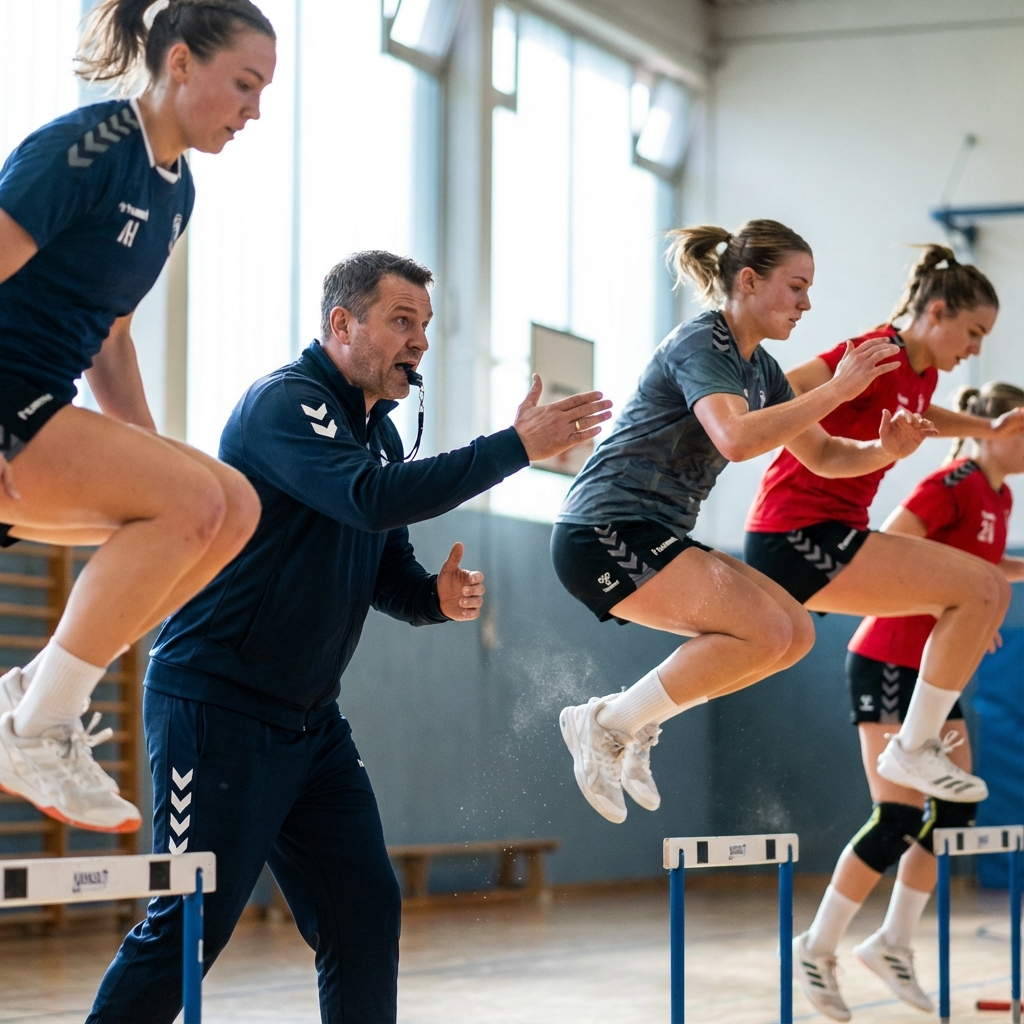
Handball demands explosive power, repeated sprint ability, and the strength to compete physically for 60 minutes. Sport-specific conditioning develops the athletic qualities that underpin elite performance.


Register for FREE and get coaching tips, top drills, session and more every week!