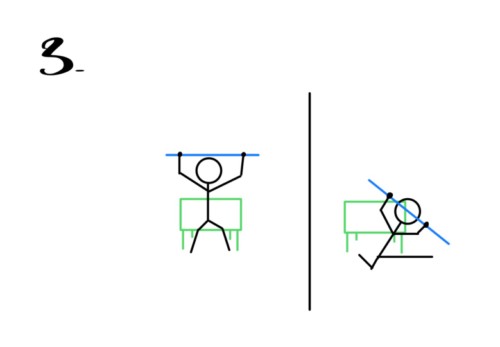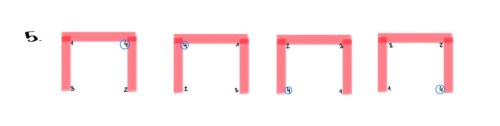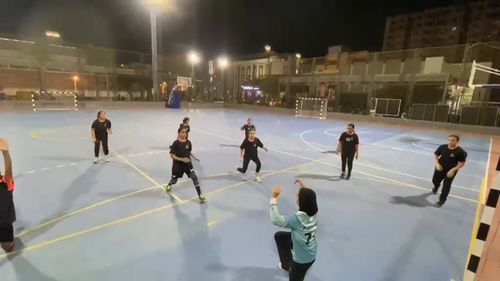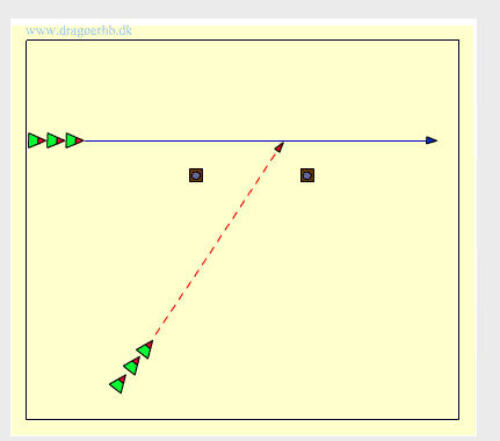

Met deze oefening wordt de aanspelende spelers het precieze passen geoefend en de ontvangende spelers geleerd om niet af te remmen bij de balaanname. 1 De âklei duifâ (ontvanger) start met het gezicht naar de aanspelende speler. 2 Zodra de ontvanger voorbij de 1e pylon is passt de werper de bal op borsthoogte aan worparmzijde van de ontvangende speler. 3 De pass is goed als de ontvanger niet in de snelheid aan moet passen, bukken, springen. Een foute pass door de werper kan bestraft worden met b.v. een aantal push-ups. Ook de ontvanger kan bestraft worden met push-ups voor het versnellen of afremmen. 4 De werper sluiten aan bij de ontvangers en andersom.
This practice has no coaching points
This practice has no progressions
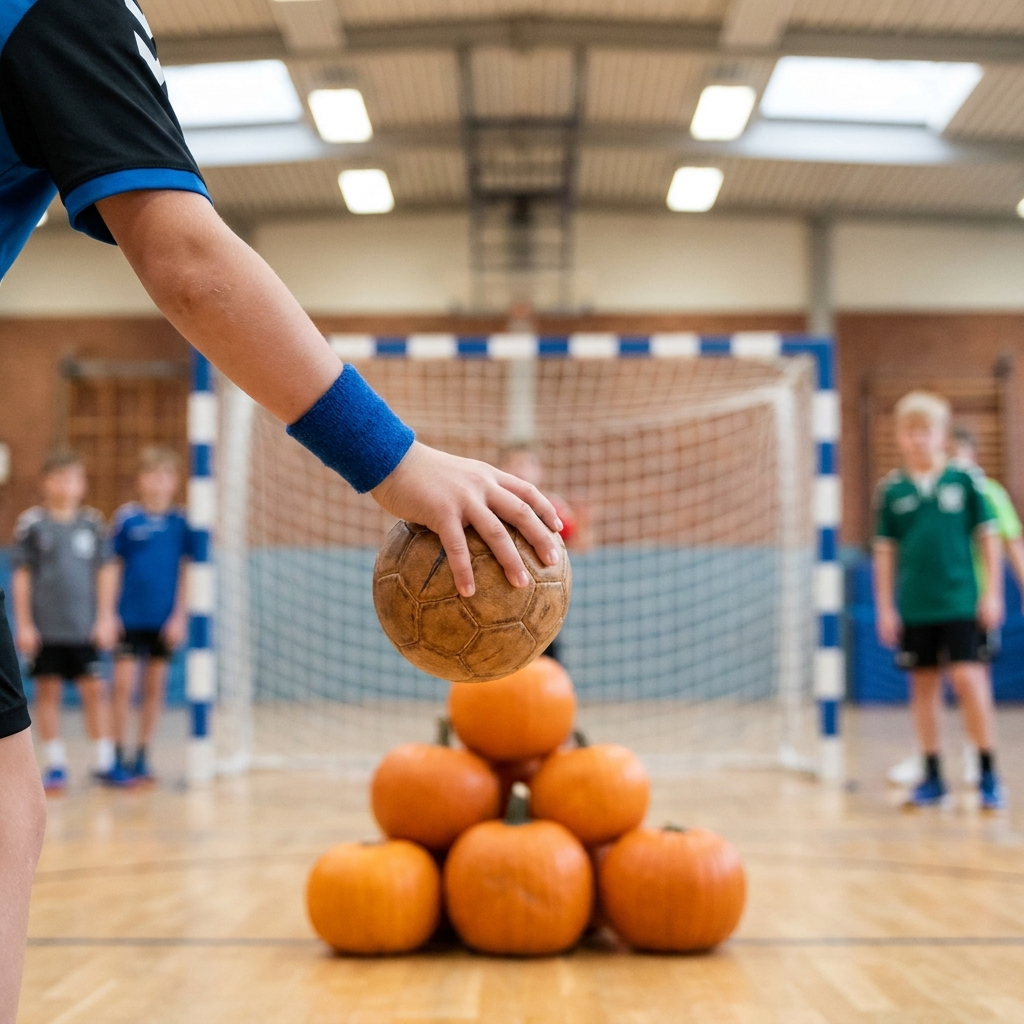
A ready-to-run Halloween handball session for juniors: spooky warm-ups, verified drills and a small-sided game finale.
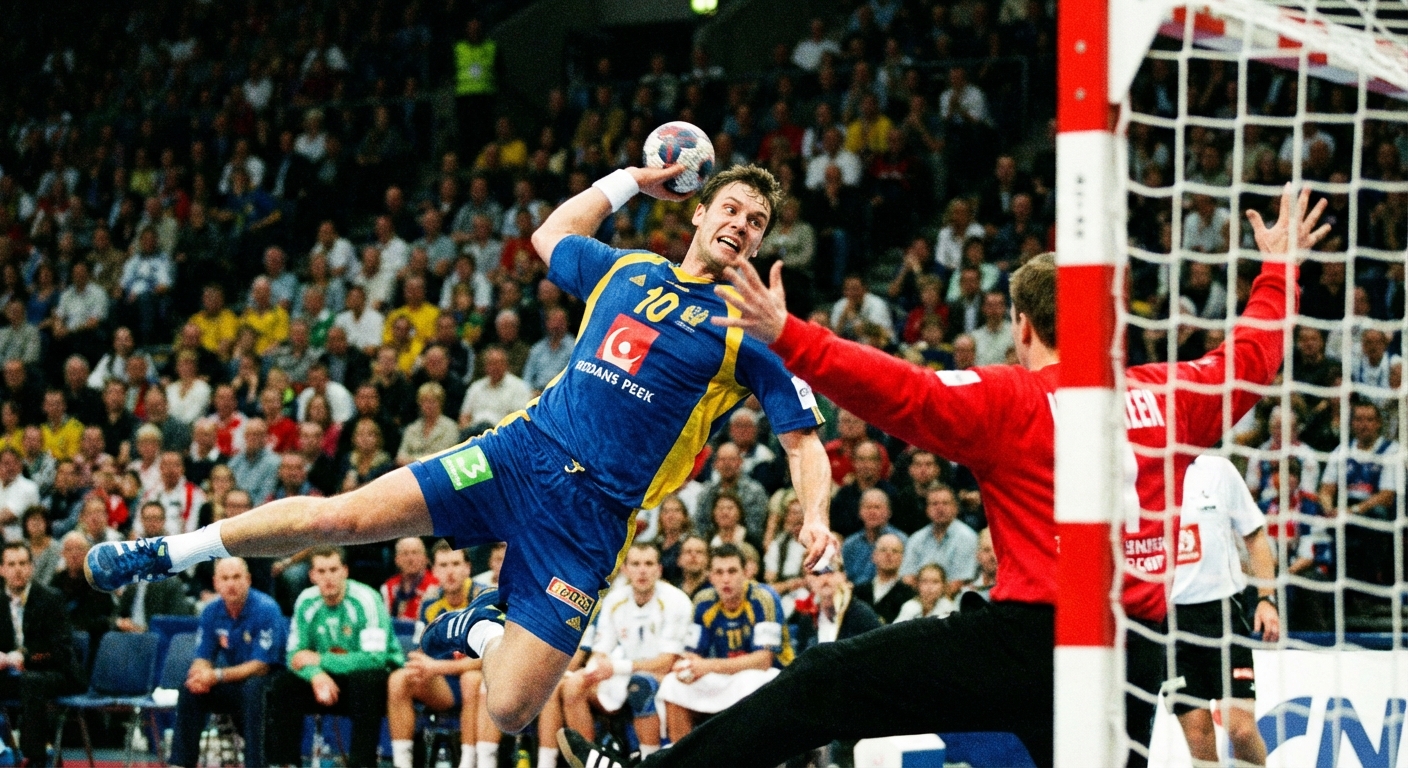
Wing players operate in the most demanding shooting position on a handball court, where acute angles and a close goalkeeper make finishing a specialist skill. This article breaks down the technique, decision-making, and training progressions that coaches need to develop elite wing finishing.
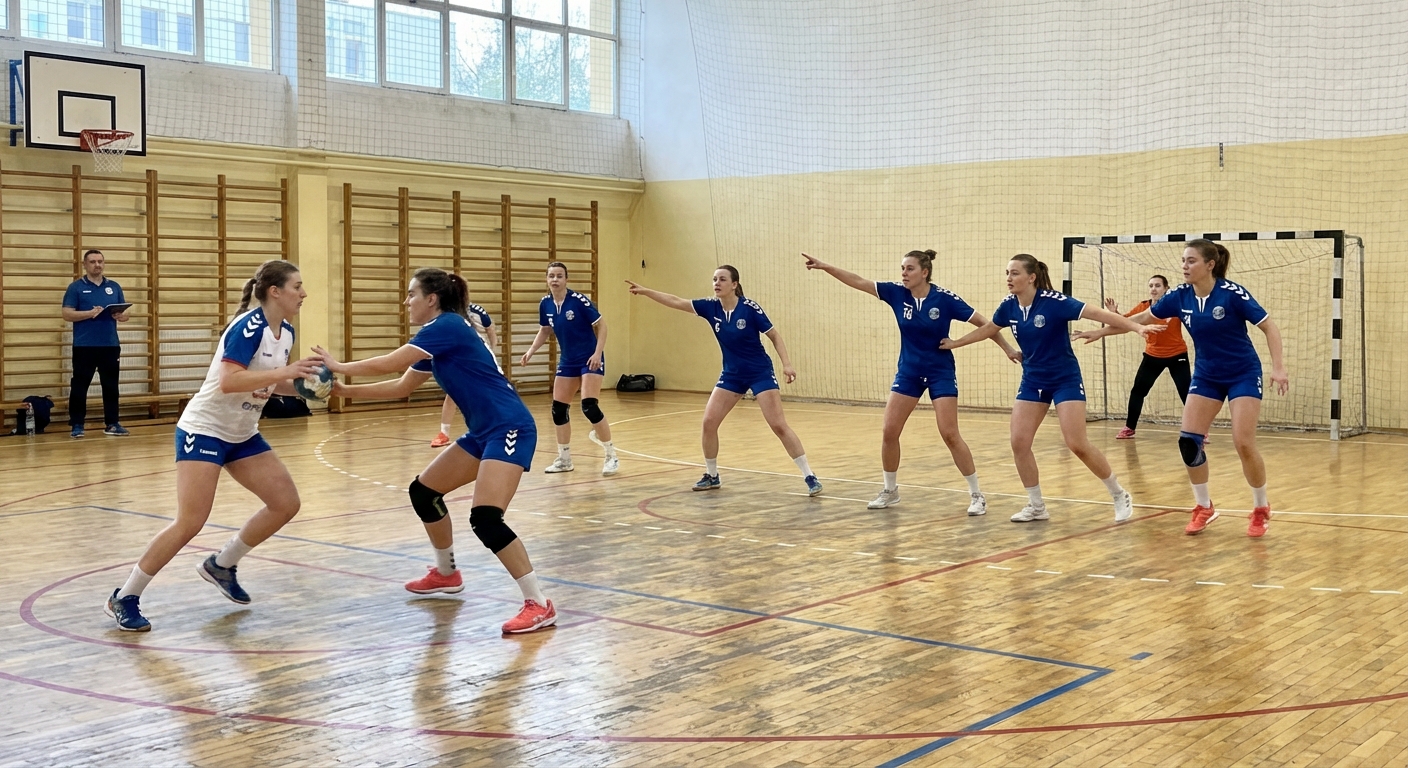
The transition from attack to defence is the most vulnerable moment in handball. This article examines the 3-second recovery principle, the specific roles players must adopt during transition, and the training scenarios that build a team's ability to recover defensive shape under pressure.


Register for FREE and get coaching tips, top drills, session and more every week!