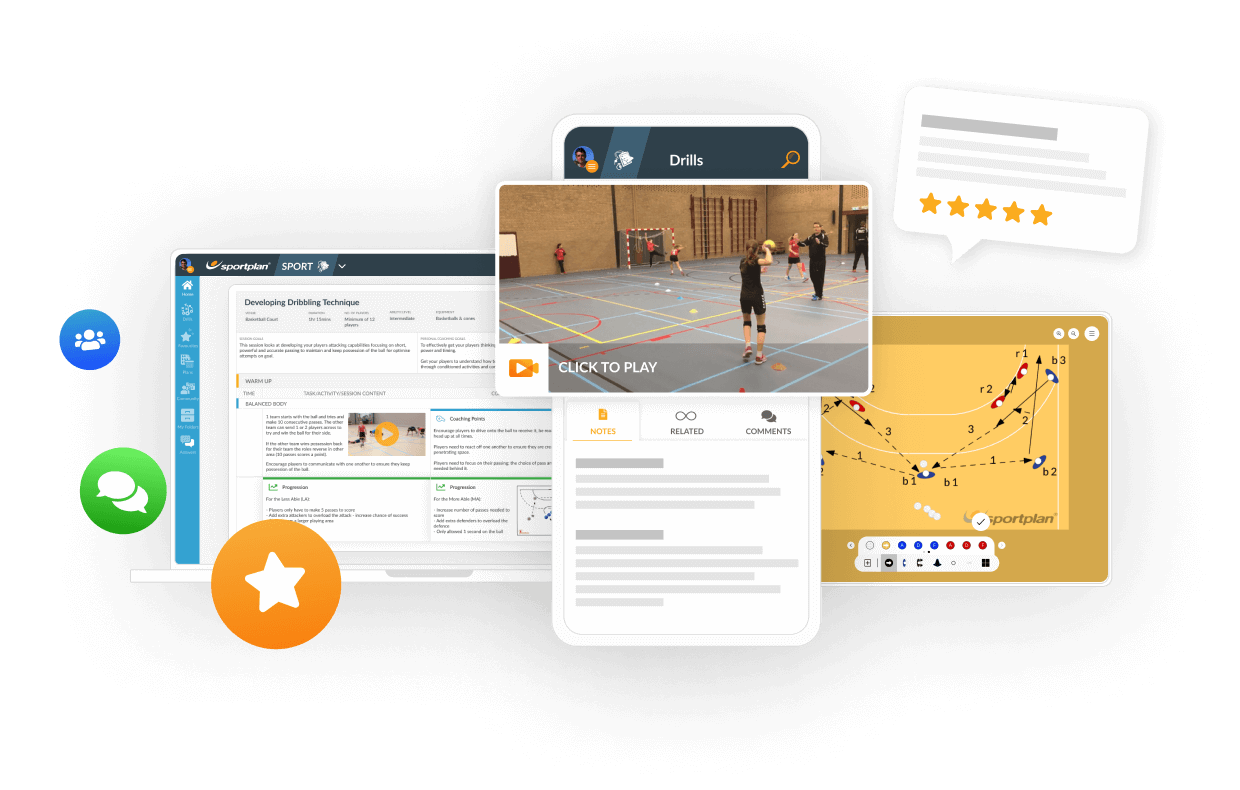
Two teams compete. Two zones, three meters from the goal, are marked with soft mats (ensure they don't slip) and are exclusively reserved for the "king." A soft ball is used.
The game can be played with or without dribbling. Only the king, standing on the mat or in the marked zone, is allowed to shoot at the opposing team's goal. Any team member can become the king. Strategically, the player closest to the opponent's goal can move to the mat to assume the king's role. However, there can never be two kings on the mat at the same time.
Defensive players can use as many players as they wish to guard the goal. After a goal is scored, the game continues without interruption. Only the king may step onto the mat, and only without the ball. The team with the most points wins. Penalties for fouls include running laps or creating situations of numerical advantage or disadvantage.
To make it more challenging:
Wing players operate in the most demanding shooting position on a handball court, where acute angles and a close goalkeeper make finishing a specialist skill. This article breaks down the technique, decision-making, and training progressions that coaches need to develop elite wing finishing.
The transition from attack to defence is the most vulnerable moment in handball. This article examines the 3-second recovery principle, the specific roles players must adopt during transition, and the training scenarios that build a team's ability to recover defensive shape under pressure.
Handball demands explosive power, repeated sprint ability, and the strength to compete physically for 60 minutes. Sport-specific conditioning develops the athletic qualities that underpin elite performance.