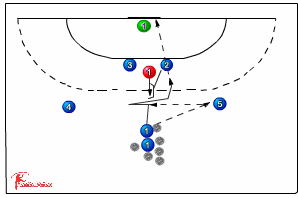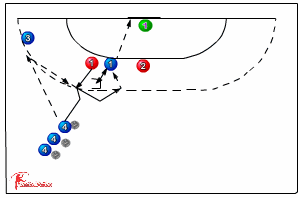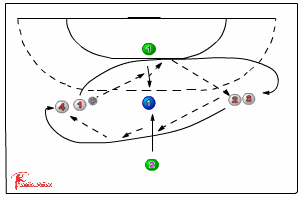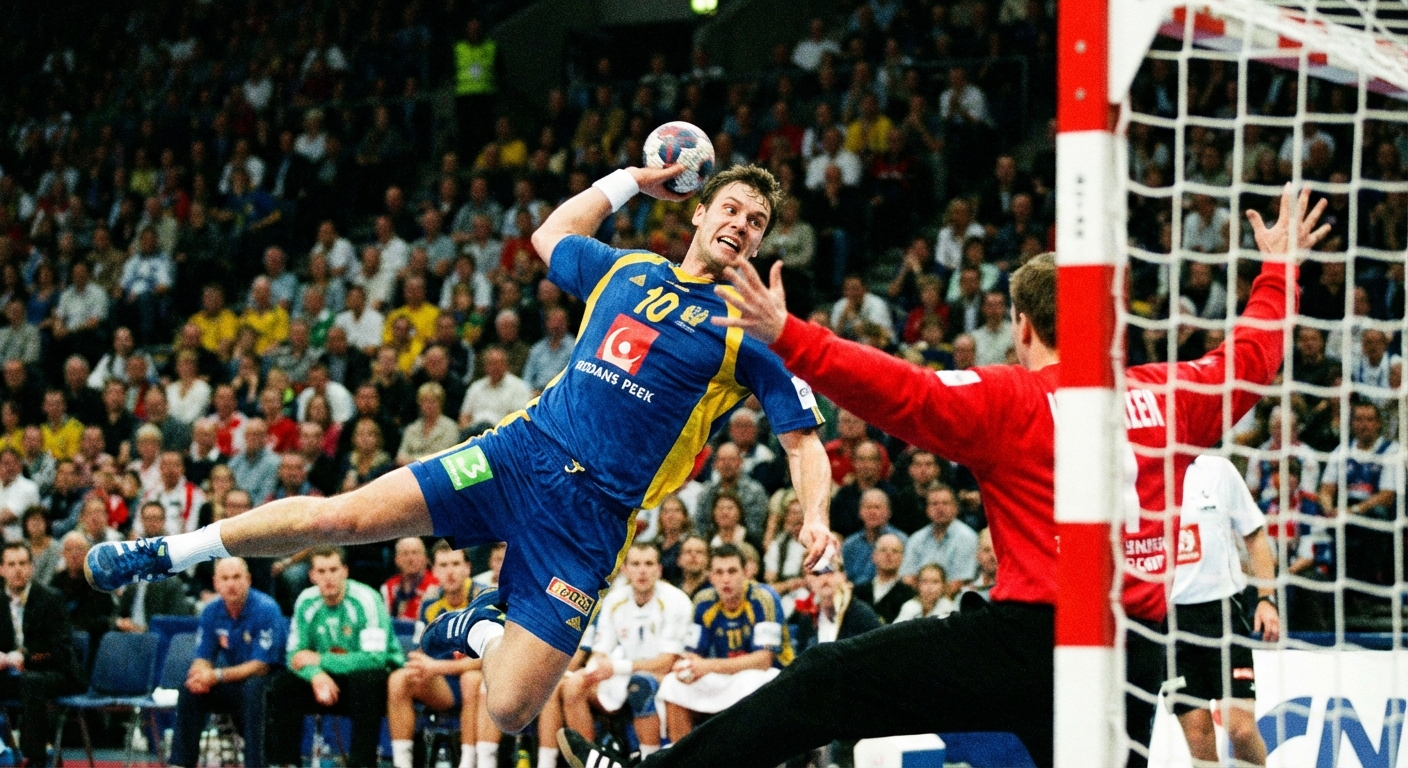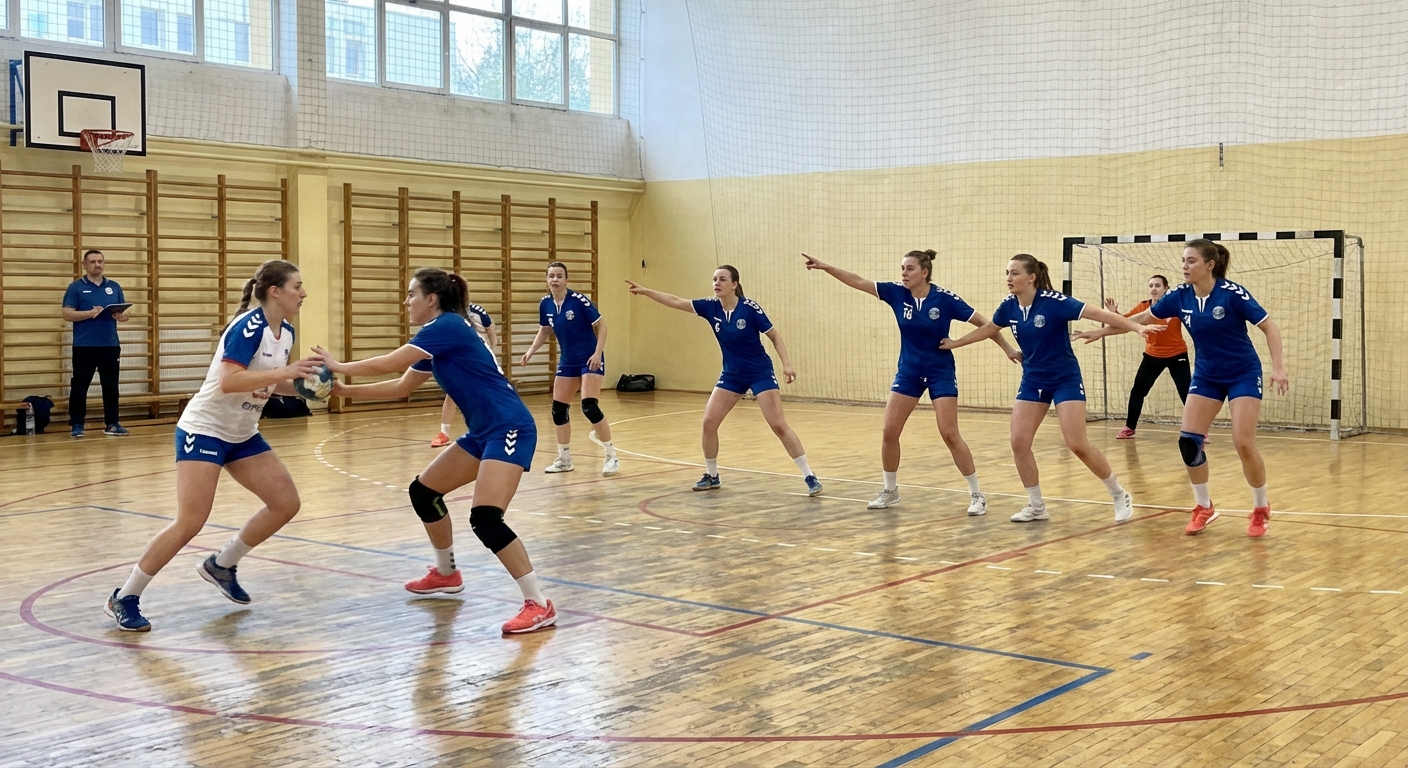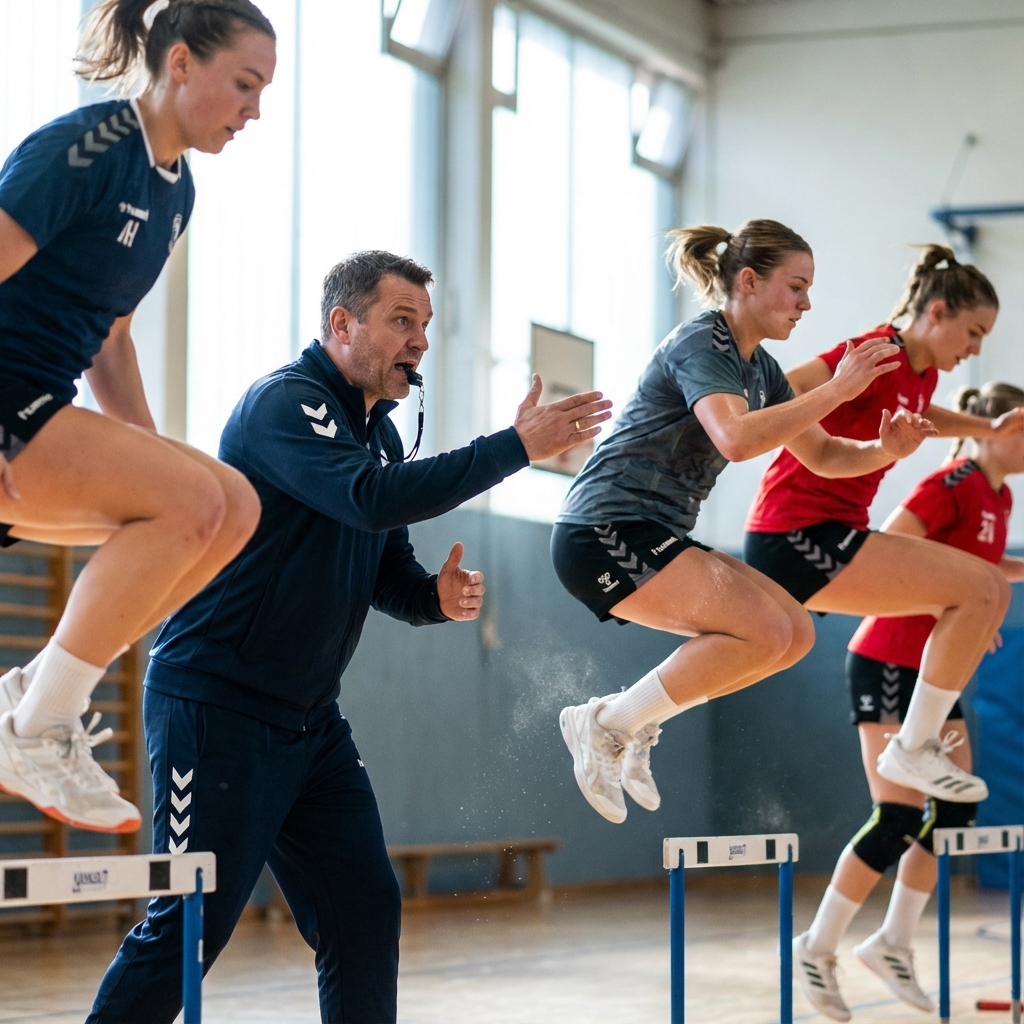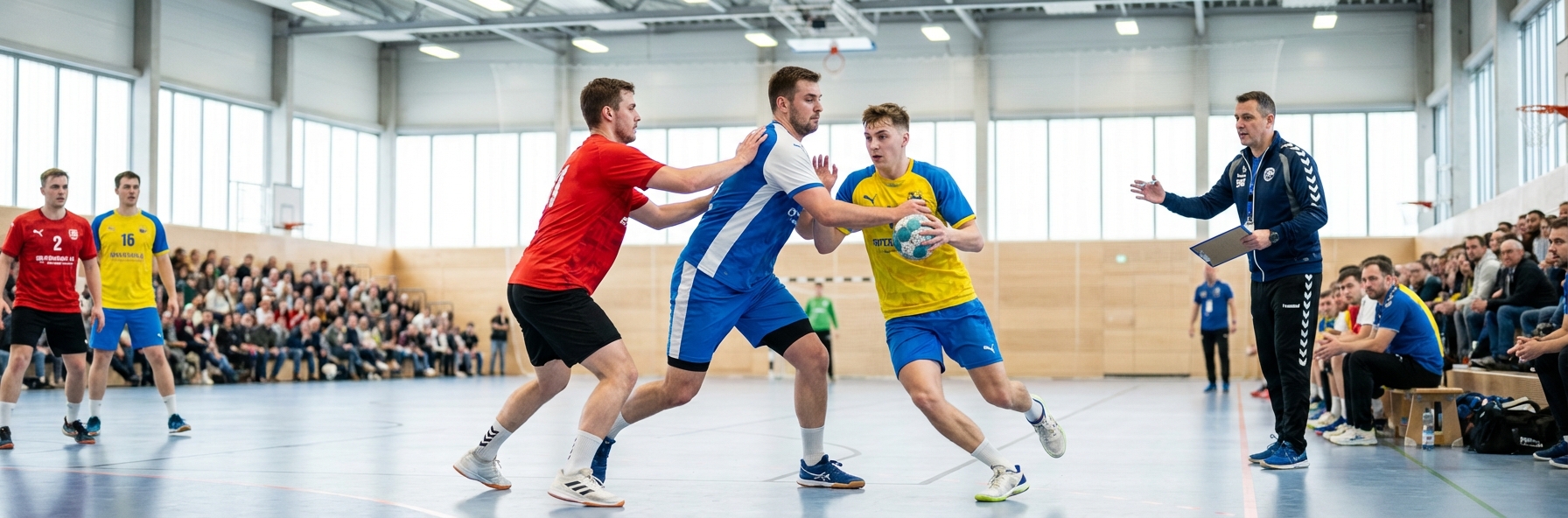
Screening is one of handball's most effective offensive tools. A well-set screen creates space for shooters, disrupts defensive communication, and forces defenders into difficult decisions. Understanding both how to set and use screens elevates team offensive efficiency significantly.
Screen Setting Technique
Legal and effective positioning:
Body position: Establish position before contact - feet shoulder-width, stable base.
Timing: Set the screen as the ball handler approaches.
Stillness: Once position is established, the screener must be stationary.
Width: Arms can be folded across chest but not extended.
Using Screens Effectively
The ball handler's responsibilities:
Patience: Wait for the screen to be set before cutting.
Tight cut: Pass close to the screener to prevent defender slipping through.
Read the defence: Adjust based on how the defender responds.
Quick decision: Attack the space immediately after passing the screen.
Screen and Roll/Pop
Roll to goal: After contact, the screener pivots toward the goal for a pass.
Pop out: Moving away from the goal for a jump shot option.
Slip screen: Releasing early when defender anticipates the screen.
Double screens: Two players setting consecutive blocks.
Defensive Responses
Fighting through: The defender works to stay with their player.
Switching: Defenders exchange assignments at the screen.
Hedging: Brief help from screener's defender before recovery.
Blitzing: Both defenders trap the ball handler.
Key Coaching Points
- Screens must be set legally - moving screens are fouls
- Communication between screener and ball handler is essential
- The roll or pop after screening creates scoring opportunities
- Practice reading defensive responses to screens
- Screening is a team skill requiring coordination